China’s Fuel Grip Tightens Global Supply Chains
China's dominance in refining oil and processing rare earth minerals is creating global supply chain vulnerabilities. Nations increasingly depend on Chinese-exported fuels, making them susceptible to price hikes and geopolitical leverage, highlighting a critical shift in international economic power.

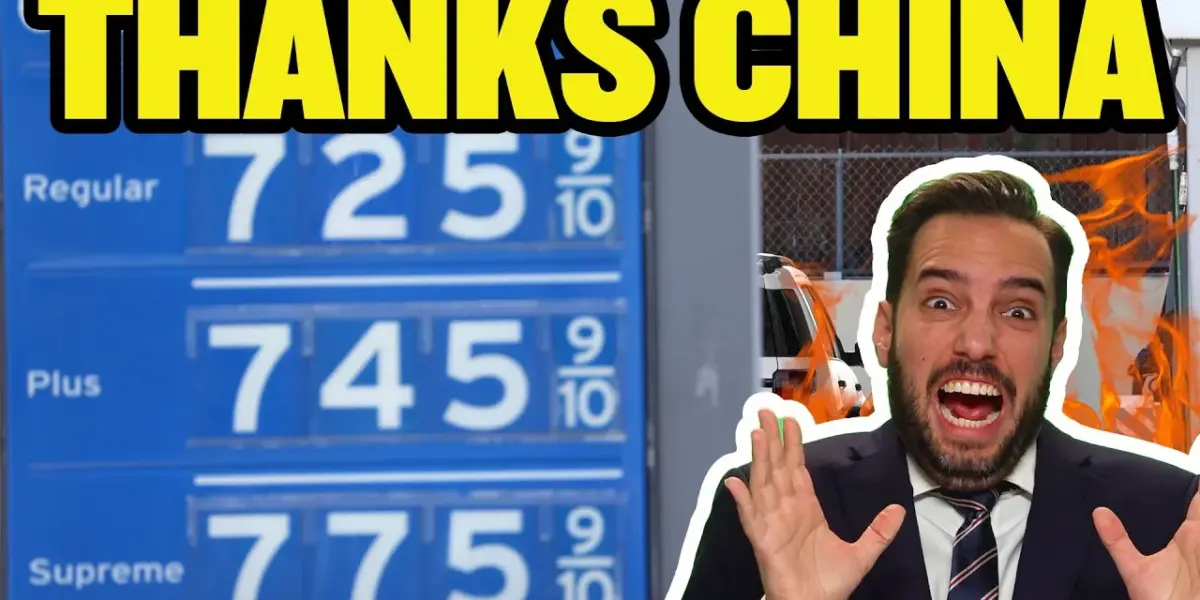
China’s Fuel Grip Tightens Global Supply Chains
Recent disruptions in global oil markets, particularly around the Strait of Hormuz, are highlighting a crucial, yet often overlooked, aspect of international trade: China’s significant role not just as an oil importer, but as a major exporter of refined fuel products. This reliance on Chinese-processed fuels, from diesel to jet fuel, is creating strategic vulnerabilities for many nations, including key US allies.
Refined Fuels: A Hidden Dependency
While many countries import crude oil, they often lack the refining capacity to turn it into usable fuels like gasoline, diesel, and jet fuel. This is where China has become indispensable. Despite being a massive importer of crude oil itself, China possesses the world’s largest oil refining capacity. It processes crude oil from various sources, including Russia, Iran, and Venezuela, and then exports a substantial amount of these refined products.
According to Bloomberg, China is the third-largest fuel exporter in Asia, behind South Korea and Singapore. Countries like Bangladesh, the Philippines, Vietnam, and notably Australia, depend heavily on China for a significant portion of their fuel needs. Australia, for instance, sources more than half of its jet fuel and diesel from China, making it particularly vulnerable to supply disruptions.
Rare Earths: Fueling the Future and Military Might
China’s influence extends beyond refined fuels to critical rare earth minerals, such as lanthanum. These minerals are essential for producing advanced technologies, including smartphones, and vital military components like JP8 jet fuel. JP8, also known as F-34, is used in everything from U.S. military tanks and naval engines to NATO aviation and tactical generators.
While countries like the United States, Brazil, India, and Australia possess reserves of rare earth minerals, China dominates the processing and production. For example, Chinese companies have actively acquired stakes in foreign rare earth mining operations, such as Shanghai Resources’ move to acquire Australia’s Peak Rare Earths. This control over processing gives China significant leverage, as it can restrict exports or use its dominance to influence international deals.
Geopolitical Leverage and Vulnerabilities
The implications of this dual dependence—on refined fuels and rare earth processing—are profound. If China were to restrict its fuel exports, perhaps in response to geopolitical tensions like a hypothetical invasion of Taiwan, it could cripple the economies and military readiness of importing nations. The current crisis in the Strait of Hormuz, which has already seen China cut oil product exports to ensure domestic supply, offers a glimpse of this potential leverage.
This situation is particularly concerning for the United States and its allies. A dependency on China for materials critical to military operations creates a strategic vulnerability. The U.S. government under the Trump administration recognized this risk and sought to bolster rare earth mineral deals outside of Chinese control, a necessary first step in diversifying supply chains.
Historical Context and Economic Power
China’s rise as a global supplier is a result of decades of strategic investment and, as some sources suggest, the transfer of technical know-how from Western nations. Companies from Saudi Arabia and other oil-producing nations have partnered with Chinese firms to develop large-scale refining complexes within China. This development, while boosting China’s energy infrastructure, also positions it to exert greater economic and political influence.
The global economic system has, in many ways, enabled China’s dominance in these sectors. By offering competitive processing costs and investing heavily in infrastructure, China has become the go-to source for many essential goods and materials. However, this integration also means that disruptions in China’s production or export policies can have rapid and far-reaching global consequences, as seen in the current rise in gas prices.
Why This Reshapes the World Order
The current energy market dynamics underscore a critical shift in global power. Nations are increasingly realizing that their economic and military security is tied to their supply chains, and China’s control over key segments of these chains presents a significant challenge. The reliance on Chinese refined fuels and rare earth minerals forces countries to balance their economic needs with geopolitical realities. This situation compels a reassessment of international trade agreements, strategic resource management, and the development of domestic industrial capacities.
Future Scenarios
Several future scenarios are possible. One is that nations will heed the warning and actively work to diversify their fuel and rare earth supply chains, investing in domestic refining and processing capabilities, and seeking partnerships with alternative suppliers. This could lead to a more multipolar global resource market. Another scenario is that China will continue to leverage its dominant position, potentially leading to increased trade friction and geopolitical maneuvering as countries attempt to reduce their dependence.
A third possibility is a continuation of the status quo, where existing dependencies persist, leaving nations vulnerable to China’s policy decisions. The actions taken by governments and industries in the coming years to address these supply chain vulnerabilities will determine the future balance of power in the global economy and international security landscape.
Source: It's China's Fault Your Gas Is So Expensive (YouTube)

Related Articles
Iran Tensions Spike, Defense Budget Soars, DHS Shutdown Continues
Iran escalates threats in the Gulf, demanding a deal to reopen the Strait of Hormuz or face retaliation. Simultaneously, a massive $1.5 trillion defense budget is proposed in the U.S., while the Department of Homeland Security remains in a protracted shutdown. The debate over Cuba policy also intensifies, with China stepping in to aid the island nation.


Defense Secretary’s Easter Rescue Comparison Sparks Debate
The U.S. Defense Secretary's comparison of a downed airman's rescue to Jesus' resurrection has sparked debate. Critics argue this religious framing of military action plays into Iran's hands and hinders diplomacy. Experts warn of escalating conflict and historical blowback from such strategies.


Trump Warns Iran: Civilian Targets Could Face Destruction
President Trump has threatened to destroy Iran's bridges and power plants if a deadline regarding the Strait of Hormuz is not met. International alarm is growing as negotiations falter and concerns mount over potential war crimes and the impact on civilians. Allies are expressing deep concern over the U.S. approach and the potential for wider conflict.