Russia Demands US Drop Ultimatums Amidst Escalating Tensions
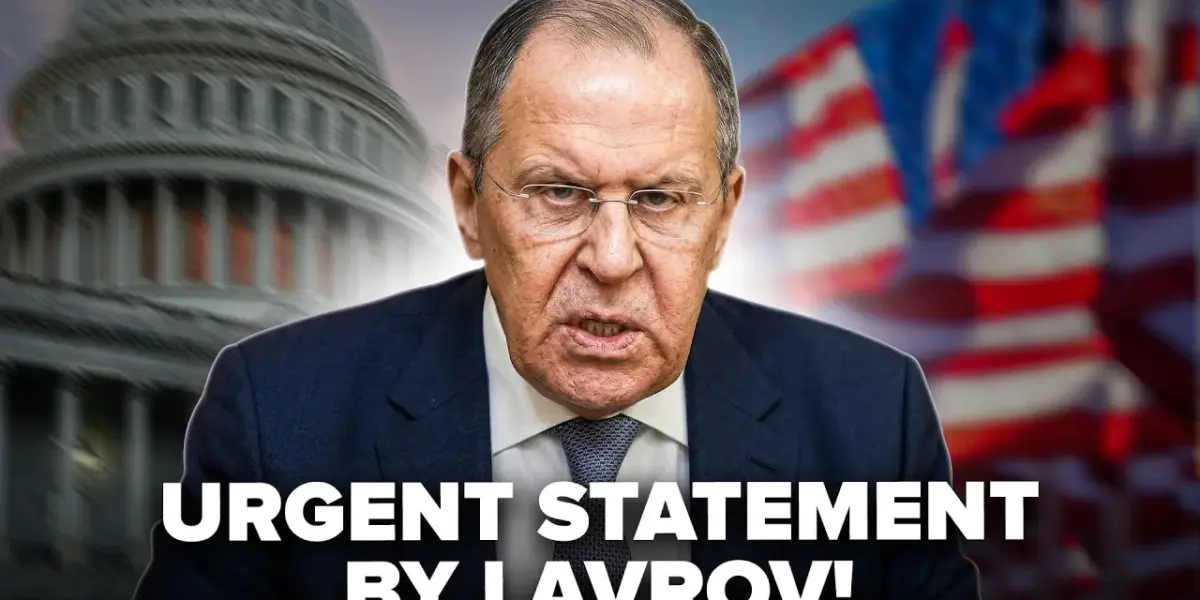
Russian Foreign Minister Sergey Lavrov urged the U.S. to abandon ultimatums and return to negotiations. This call coincides with a devastating civilian attack in Odessa and ongoing U.S.-Iran talks for a potential ceasefire. Meanwhile, U.S. military stockpiles are reportedly depleted, and Ukraine continues drone strikes on Russian oil ports.

Russia Demands US Drop Ultimatums Amidst Escalating Tensions
Russian Foreign Minister Sergey Lavrov has called on the United States to abandon its policy of ultimatums and return to diplomatic negotiations. This demand comes as tensions rise in multiple regions, with recent events highlighting the human cost of ongoing conflicts and the strain on global military resources.
Civilian Casualties in Odessa Attack
The conflict’s grim toll on civilian life was underscored by a Russian strike on a residential building in Odessa. Reports indicate that a 2-year-old girl, her mother, and a 53-year-old woman were killed in the attack. Additionally, 15 others were injured, including a pregnant woman and two young children. Rescue efforts continued as officials warned that people might still be trapped under the rubble.
The attack on residential buildings, critical infrastructure, and administrative facilities was condemned as a deliberate act against innocent civilians. The destruction and loss of life have been described as unbearable, with officials emphasizing that these are not merely collateral damages but calculated acts of violence targeting the most vulnerable.
Russia’s Diplomatic Stance with Iran
During a conversation with his Iranian counterpart, Abbas Arachi, Lavrov stated that to deescalate the conflict, the U.S. must cease its pressure and ultimatums. The Russian foreign ministry asserted that Washington must contribute to stabilizing the situation by changing its approach to communication with Iran and other nations. Moscow believes the U.S. should exclusively return to a negotiating track.
Both Russia and Iran expressed concerns about potential Security Council decisions initiated by Western countries. The diplomats urged avoidance of actions that could undermine chances for a political resolution. This diplomatic alignment suggests Moscow and Tehran are working to block strict resolutions or sanctions against Iran, particularly in response to recent drone attacks.
US-Iran Negotiations and Potential Ceasefire
Meanwhile, the United States, Iran, and mediators are engaged in talks concerning a potential 45-day ceasefire. This ceasefire could serve as a step towards ending the war, though chances of reaching an agreement within the next 48 hours are considered low. This effort is seen as a last attempt to prevent a significant escalation that could involve widespread strikes on Iranian civilian infrastructure and retaliation against energy and water facilities in Gulf States.
Mediators from Pakistan, Egypt, and Turkey, along with direct contacts, are facilitating these discussions. A proposed two-stage deal includes an initial 45-day ceasefire, during which an end to the war would be negotiated. This period could be extended if needed, followed by a second stage to secure a full resolution.
Key Disagreements and US Military Stockpiles
Significant disagreements persist, particularly regarding Iran’s control over the Strait of Hormuz and its nuclear program. These issues are considered Iran’s main leverage, making concessions unlikely in a short-term ceasefire. The coming days are considered decisive for reaching a deal and averting further escalation.
In a related development, reports indicate that the United States has used a substantial portion of its stockpile of JASSM cruise missiles during operations. Rebuilding these weapon reserves could take years due to insufficient production rates. The U.S. has reportedly used about two-thirds of its total JASSM inventory, leaving a significantly reduced number of operational missiles. This depletion affects the U.S.’s ability to sustain prolonged operations and could impact its defense capabilities, particularly in the context of potential conflicts with China.
The shortage extends to other precision weapons, with Gulf countries having nearly depleted their stocks of missiles for Patriot air defense systems. The rapid depletion of precision-guided weapons stockpiled over years highlights concerns about the speed of replenishment and the potential long-term costs involved.
Ukraine’s Drone Strikes on Russian Oil Ports
In Eastern Europe, Ukraine has continued its drone attacks targeting Russia’s strategic oil ports on the Baltic Sea. Following several days of disruption, the port of Ust-Luga attempted to resume operations. However, another Ukrainian drone attack on Sunday damaged facilities at the strategic port of Primorsk.
Ukraine’s strategy of systematically striking oil infrastructure aims to make Russian oil exports as expensive and risky as possible. This tactic is designed to reduce Russia’s export revenue, directly impacting the Kremlin’s budget. The ongoing threat of strikes forces Russia to operate in a constant state of alert, impacting its logistics and resulting in significant financial losses due to port downtime.
Strategic Implications
Russia’s demand for the U.S. to drop ultimatums signals a continued effort to assert diplomatic influence and counter perceived American assertiveness. The focus on negotiations with Iran positions Russia as a key player in regional diplomacy, potentially seeking to shape international responses to conflicts.
The ongoing U.S.-Iran talks, while precarious, represent a critical effort to avoid a wider conflict. The potential for a ceasefire, however fragile, offers a window for de-escalation. Yet, the core disagreements suggest that achieving lasting peace will be a complex challenge.
The depletion of U.S. military stockpiles raises significant questions about its capacity to sustain prolonged, high-intensity operations. The lengthy timeline for replenishing advanced weaponry could influence future military planning and strategic decisions, potentially affecting global power dynamics.
Ukraine’s persistent drone strikes on Russian energy infrastructure demonstrate a strategic effort to cripple Russia’s war-fighting capabilities by targeting its revenue streams. This approach highlights the growing importance of asymmetric warfare tactics in modern conflicts and their potential to inflict significant economic pressure on an adversary.
Source: ⚡️Lavrov lashed out harshly at US! Issued a final ultimatum. Kremlin is on edge (YouTube)

Related Articles


Iran Strikes Saudi Oil Hub, Threatening Global Energy
Iran's successful ballistic missile strike on Saudi Arabia's Jubail petrochemical complex exposes the vulnerability of global energy supplies. The attack threatens millions of barrels of oil and refined products, potentially causing price spikes and economic instability worldwide. This escalation signals a dangerous new phase in regional power dynamics.


Fox News Hosts Falter as Trump’s Iran Stance Backfires
Fox News personalities appeared flustered and divided as Donald Trump's aggressive stance on Iran faced rejection and criticism. The segment highlighted conflicting narratives, blame-shifting, and defenses of Trump's image amidst international tensions.

Trump’s Iran Threats Met With Laughter, Expert Says
Former Royal Navy officer John Foreman believes Iran is 'laughing' at President Trump's escalating threats over the Strait of Hormuz. Foreman suggests Trump's "outlandish rhetoric" stems from miscalculations and a lack of preparedness for the conflict, while military officials convene to plan for the vital waterway's eventual reopening.