Trump Threatens Iran with ‘Hell’ Over Strait of Hormuz
President Trump issued a severe threat to Iran, vowing to target its infrastructure if the Strait of Hormuz isn't reopened, while a diplomatic push led by Pakistan seeks an immediate ceasefire. Concerns are rising over the legality of such threats and their potential impact on international law.

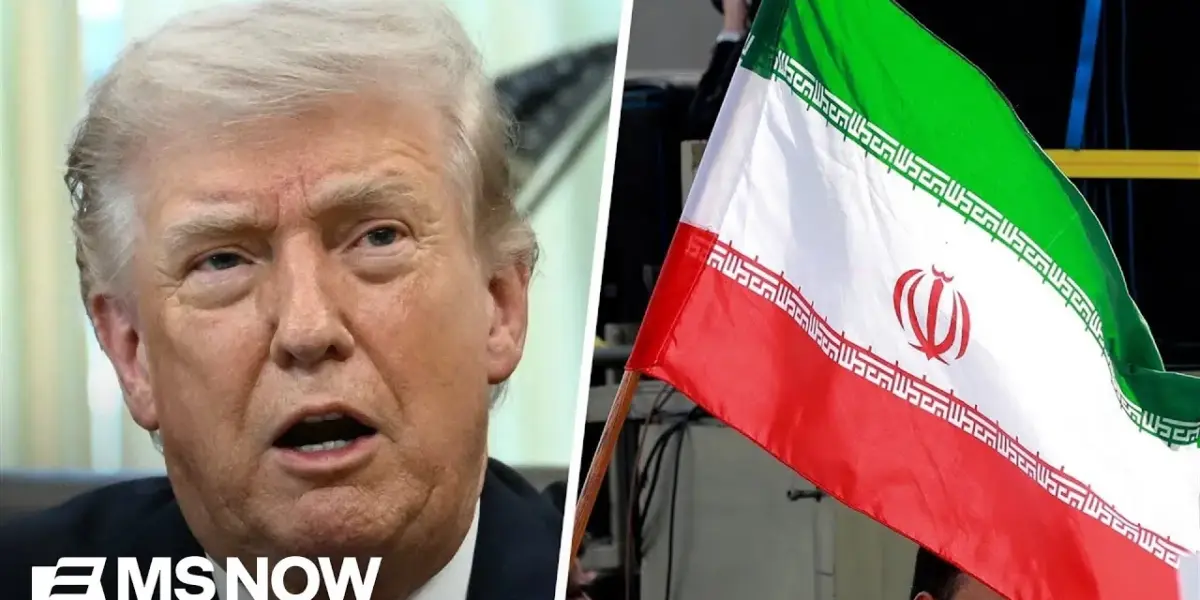
Trump Issues Stark Warning to Iran Over Strait of Hormuz
President Trump issued a fiery threat to Iran over the weekend, vowing to target the country’s power plants and bridges if the Strait of Hormuz is not reopened by Tuesday night. The strong language, delivered in an Easter social media post, warned Iran would be “living in hell” if the critical waterway remained closed. Trump reiterated these threats in multiple calls with news outlets on Sunday, sparking concerns among diplomats that his rhetoric could jeopardize ongoing efforts to secure a ceasefire.
Pakistan Leads Diplomatic Push for Ceasefire
Behind the scenes, a desperate diplomatic effort is underway, spearheaded by Pakistan, to broker a ceasefire between the U.S. and Iran. Sources close to the talks describe a sense of intense urgency, with officials from Pakistan, Egypt, and Turkey working around the clock. The Pakistani army chief, Asim Munir, has been in direct contact with U.S. Vice President Mike Pence, U.S. envoy Steve Witkoff, and Iranian Foreign Minister Abbas Araishi.
The proposed plan, according to officials familiar with the discussions, includes two main steps. First, an immediate ceasefire and the reopening of the Strait of Hormuz. Second, within 15 to 20 days, a broader agreement is envisioned, potentially leading to direct talks between the U.S. and Iran, hosted in Pakistan. This two-tiered approach aims to de-escalate tensions and build trust.
White House Response and Shifting Objectives
The White House has acknowledged the ceasefire proposal but has been cautious in its response. A White House official stated that the plan is one of “many ideas” and that the President has “not signed off on it.” Operations in Iran are continuing, the official added. President Trump was expected to address the situation further at a press conference on Sunday.
Notably, the focus on reopening the Strait of Hormuz represents a shift in U.S. objectives. Just last week, White House officials had emphasized other core goals, such as degrading Iran’s navy and missile capabilities and preventing it from obtaining nuclear weapons. The Strait of Hormuz was not a primary focus at that time.
Concerns Over Potential War Crimes
Retired Army General Mark Hertling raised serious concerns about the legality and morality of Trump’s threats. He suggested that targeting civilian infrastructure like power plants and bridges could constitute war crimes under the Geneva Conventions. General Hertling explained that military commanders are bound by international law and the laws of war, which prohibit actions that cause undue suffering to civilians.
“It would seem like most of them would get information from their legal… staff judge advocates saying that this would violate several protocol and articles of the Geneva Convention and the law of war,” Hertling stated. He added that commanders could be placed in a difficult position if ordered to carry out actions that violate these laws. In his 40-year career, Hertling noted, he had never encountered an order from the President that he believed would violate the laws of war.
Military’s Moral Center and Propaganda Victory for Iran
MSNBC contributor Barbara Starr echoed these concerns, emphasizing that Trump’s threats go against the U.S. military’s core values. “What he is asking the military to do is basically go against its very moral center that it has had since the founding of the nation, which is to follow the law, to be a force… a force for good in the world, a force for We’re trying to bring peace, trying to end conflicts, not to blow everything up,” Starr said.
She argued that if Trump intends to present the U.S. military as willing to contemplate illegal orders, it would hand Iran a significant propaganda victory. This could undermine the U.S.’s standing as a force for peace and international law.
What’s Next in the Standoff
As diplomatic efforts continue under the shadow of President Trump’s stark warnings, the world watches closely. The coming days will be critical in determining whether a fragile ceasefire can be reached or if tensions will escalate further. The response from the White House and President Trump’s next steps will be crucial in navigating this high-stakes geopolitical situation.
Source: Trump to Iran: open Strait or you'll be “in hell” (YouTube)

Related Articles
Trump Claims Iranians Crave Freedom, Even Amidst Bombing
Former President Donald Trump claims Iranians would welcome bombings and suffering in exchange for freedom. This assertion sparks debate on the ethics of foreign intervention and the true desires of populations under oppressive regimes.


Iran War Looms: Trump’s Ultimatum Sparks Global Alarm
President Donald Trump's ultimatum to strike Iran's power plants and bridges has sparked global concern. This escalates tensions, raising fears of wider conflict and humanitarian crises. The situation demands careful consideration of diplomatic versus forceful approaches.
General Hodges: US Officers Must Resist Illegal Trump Orders
Former NATO commander Lt. Gen. Ben Hodges stated that President Trump's threats to destroy Iranian civilian targets could constitute war crimes. He urged U.S. officers to use their moral courage to resist illegal orders, even from the commander-in-chief.