Pardoned Rioters Re-Offend, Exposing Pardon Power’s Dark Side
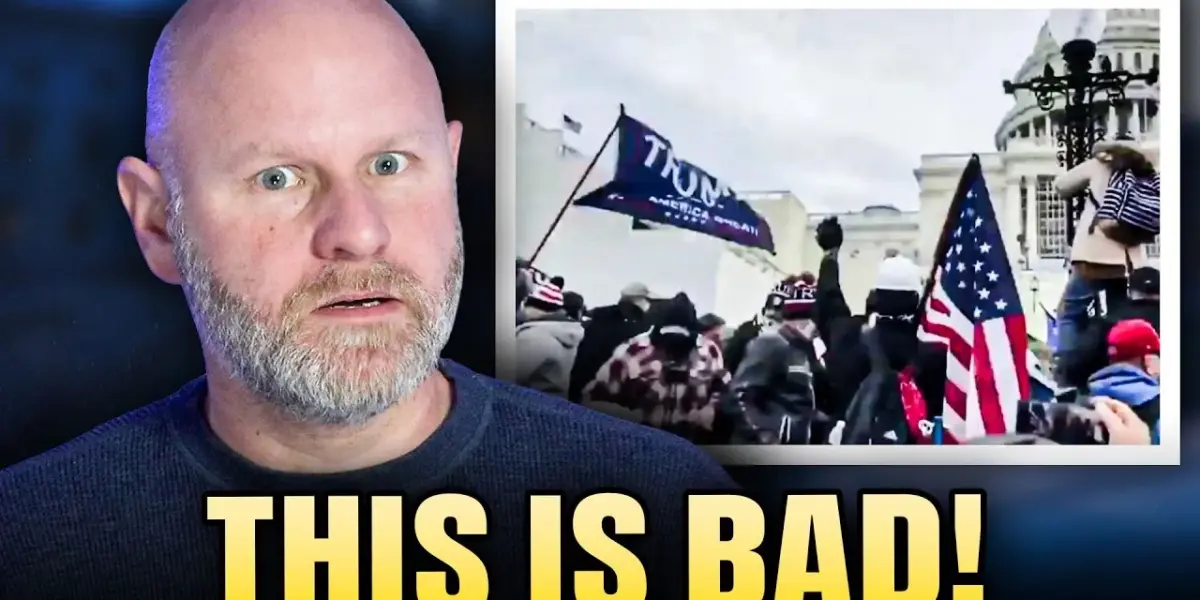
A New York Times report reveals that numerous individuals pardoned for their involvement in the January 6th Capitol riot have since committed new crimes. This pattern of re-offending raises serious questions about the use of presidential pardons and their impact on public safety and the rule of law.

Pardoned Rioters Re-Offend, Exposing Pardon Power’s Dark Side
A recent deep dive by The New York Times has uncovered a disturbing trend: individuals pardoned for participating in the January 6th Capitol riot are continuing to break the law. This report highlights a pattern of re-offending among those who received clemency, raising serious questions about the use and impact of presidential pardons.
A Pardon for Some, Trouble for All
The investigation by The New York Times revealed that many individuals who were pardoned for their roles in the Capitol riot have since been arrested for new crimes. This suggests that the act of pardoning may not have led to rehabilitation or a change in behavior for some recipients. Instead, it appears to have put individuals with a history of unlawful actions back into society without adequate safeguards.
A Pattern of Repeated Offenses
The report details several concerning cases. Andrew Paul Johnson, pardoned for his role on January 6th, was later sentenced to life in prison for child molestation. Jake Lang, another pardoned individual, faced felony vandalism charges for damaging an ice sculpture and was involved in organizing a violent anti-Muslim rally. Zachary Alam, who was among the first to enter the Capitol, was arrested for breaking into a home and stealing valuables. Enrique Tarrio, the leader of the Proud Boys, was pardoned from a 22-year sentence, only to be briefly detained on assault charges after a scuffle at a news conference.
Further examples include Daniel Tachi, sentenced to four years for possessing over 110,000 child images, and Brian Bettiner, charged with assault and battery for grabbing a woman’s hair, with additional accusations of stalking. Christopher Monahan reportedly threatened to kill a House Minority Leader. Robert Packer was arrested after his dogs attacked multiple people, sending four to the hospital. John Andrews violated a legal order protecting his child’s mother, leading to jail time and supervised release. Brent Holdridge was arrested for stealing tens of thousands of dollars in industrial copper wire. Jonathan Munafo was rearrested after allegedly fleeing federal supervision for making menacing and threatening phone calls.
Tragically, Matthew Huddle, days after his pardon, was shot and killed by a sheriff’s deputy while resisting arrest during a traffic stop. These cases, as detailed in the Times’ report, paint a stark picture of individuals who, after being pardoned, have continued to engage in criminal activities, some of them severe.
The Pardon Power: A Tool or a Weapon?
Historically, presidential pardons have been used to correct injustices or to show mercy in specific circumstances. However, the scale and nature of the pardons related to the January 6th events have drawn significant scrutiny. Critics argue that such broad pardons, especially for individuals who have not shown remorse or demonstrated rehabilitation, can undermine the rule of law. The report suggests that a pardon industry may have emerged, where lobbyists are paid significant sums to advocate for clemency, potentially benefiting individuals who pose a continued risk to public safety.
Why This Matters
This issue is critical because it touches on fundamental aspects of justice and public trust. When individuals who have committed serious offenses are pardoned and subsequently re-offend, it can erode confidence in the legal system and the executive’s power to grant clemency. It raises questions about the vetting process for pardons and whether the ultimate goal of rehabilitation is being met. The evidence presented suggests that the pardons may have simply allowed individuals to continue their patterns of behavior, with negative consequences for victims and society.
Implications and Future Outlook
The findings have significant implications for how presidential clemency is perceived and potentially regulated. It could lead to increased calls for transparency and stricter criteria for granting pardons, particularly in cases involving political events or widespread criminal activity. The trend also highlights a broader debate about accountability and the justice system’s effectiveness in handling individuals involved in events like January 6th. Moving forward, it will be important to see if these revelations lead to changes in how pardons are sought and granted, and whether greater emphasis is placed on public safety and genuine rehabilitation rather than simply releasing individuals from legal consequences.
Historical Context
The power of pardon is a constitutional authority granted to the President, intended as a check on potential abuses of power by other branches of government. Presidents throughout history have used this power, sometimes controversially. For instance, President Gerald Ford pardoned Richard Nixon for any crimes he may have committed while in office, a decision that was also met with mixed reactions. However, the context of January 6th, involving an attack on the U.S. Capitol, adds a unique layer of political and societal significance to any subsequent pardons. The current situation brings renewed attention to the historical use of this power and its potential for both good and ill.
Source: Pardoned Capitol Rioters Won’t Stop Breaking The Law (YouTube)

Related Articles

Trump’s Pardons: A Cycle of Crime Continues
A New York Times report reveals that many individuals pardoned by Donald Trump, including those involved in the January 6th Capitol riot, have been arrested again for new crimes. Cases include serious offenses like child molestation and violent assaults, raising concerns about the clemency process.
Pentagon Flouts Judge’s Order, Attacking Free Press
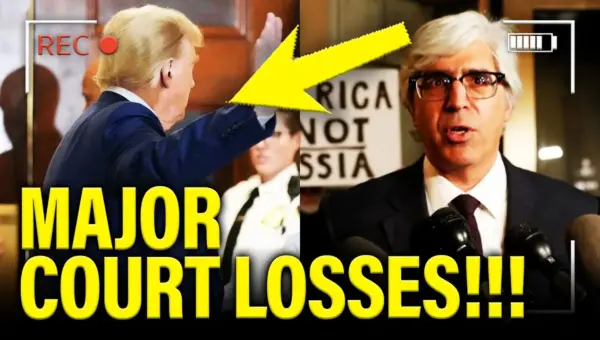
The Pentagon is defying a judge's order to restore press access for the New York Times, escalating a battle over freedom of the press. Lawyer Ted Boutros discusses this defiance and a separate victory saving public broadcasting funding from defunding. These actions highlight a broader trend of challenging the First Amendment and the rule of law.
GOP Senator Sets Bar for Trump’s AG Pick
Senator Tom Tillis has introduced a new condition for Trump's next Attorney General nominee: a clear rejection of any excuses for the January 6th Capitol attack. This stance challenges potential candidates like Todd Blanch and Lee Zeldon, who have previously expressed views questioning the 2020 election results or Trump's role on January 6th. The outcome could significantly impact Trump's ability to secure key positions.