Iran Defies Trump’s Red Line, Exposing Risky Diplomacy
Iran has rejected a U.S. ceasefire proposal, highlighting its effective use of asymmetric warfare and control over the Strait of Hormuz. This defiance exposes a complex diplomatic situation, with shifting U.S. deadlines and concerns over escalating rhetoric, impacting global stability and energy markets.

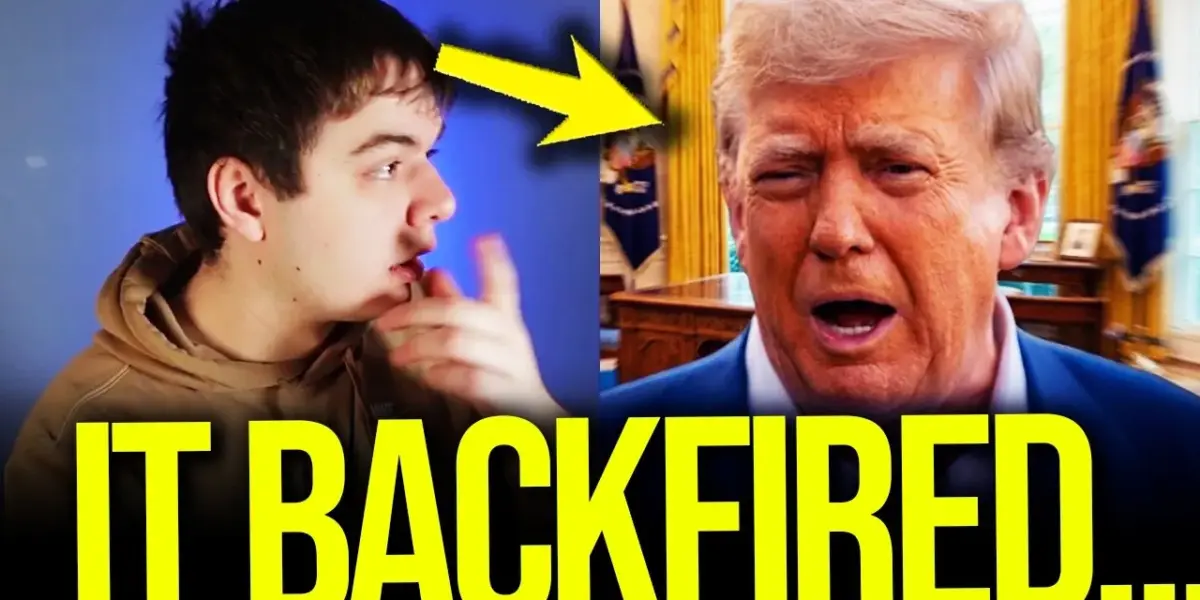
Iran Defies Trump’s Red Line, Exposing Risky Diplomacy
The United States, under President Trump, has faced a significant diplomatic setback as Iran rejected a temporary ceasefire proposal. This move highlights a complex and potentially dangerous situation, where Iran has effectively countered U.S. pressure through asymmetric warfare. This strategy has proven efficient, particularly against the Trump administration.
Historical Context and War Games
This kind of confrontation was not unforeseen. In the 2010s, during the Obama administration, extensive war games were conducted to explore potential conflicts with Iran. These simulations often pointed to the Strait of Hormuz becoming a critical tool for Iran to exert regional power. Reports in The New York Times detailed these war games, suggesting a thorough understanding of the potential consequences. However, it appears these insights may have been overlooked in current decision-making processes, with briefings seemingly focused on more superficial aspects.
A Tale of Two Political Systems
The differing political realities in the U.S. and Iran create a stark contrast in their approaches to negotiation and conflict. In the United States, leaders are accountable to the electorate, facing consequences for their actions, as seen in recent election results where Republicans have lost seats. Donald Trump, having experienced electoral defeat before, is aware of these pressures. Iran, on the other hand, operates without democratic elections and faces less public accountability. This allows its leadership to prioritize long-term strategic goals, even at the cost of significant damage to its own population.
Threats and Escalation
The rhetoric emanating from the Trump administration has escalated beyond targeting military assets. Instead, threats have included civilian infrastructure such as bridges and power plants. This raises serious concerns about potential war crimes. The Iranian regime’s apparent disregard for the well-being of its citizens is a crucial factor in understanding the dynamics of this conflict. The willingness to inflict harm on its own people, coupled with a strategy of asymmetric warfare, presents a formidable challenge.
Trump’s Shifting Deadlines and Iran’s Leverage
President Trump has repeatedly set and then extended deadlines for Iran to comply with U.S. demands, particularly regarding the Strait of Hormuz. These shifting timelines, from 48 hours to five days, then ten days, and further extensions, have effectively granted Iran continued control over this vital waterway. This prolonged control allows Iran to generate revenue by tolling ships, which can then be used to fund its military and regional proxies. It also prevents the U.S. from dictating terms for maritime traffic in the region, a significant strategic disadvantage.
Economic Implications and Global Impact
The ongoing tensions have direct implications for global energy markets. A ceasefire alone, according to energy analysts, would do little to affect oil prices. Prices are unlikely to decline until confidence is restored and the Strait of Hormuz can operate without disruption. The current situation, where Iran maintains control and the U.S. faces rejection, suggests a lack of incentive for Iran to agree to a ceasefire. Accepting a deal now would mean relinquishing significant leverage and potentially allowing adversaries to regroup for future conflicts.
Criticism of Decision-Making
Critics argue that the current U.S. strategy lacks a coherent plan and relies on potentially flawed decision-making. There is concern that decisions are being influenced by factors other than sound military and diplomatic advice. This has led to a perception of weakness on the global stage, with allies and adversaries alike observing the U.S. struggle to achieve its objectives. Even international efforts, such as a proposed 40-day ceasefire plan by European countries, have been met with rejection from both the U.S. and Iran.
Concerns Over Rhetoric and Propaganda
Beyond the diplomatic and military dimensions, there are concerns about the nature of the rhetoric used by President Trump. Posts on social media have included divisive content, drawing parallels to far-right propaganda. This type of messaging, critics argue, undermines the core American values of diversity and inclusivity. The focus on such rhetoric, while diplomatic and military negotiations falter, raises questions about the administration’s priorities and its understanding of national identity.
Why This Matters
The current standoff between the U.S. and Iran is more than just a regional conflict; it has global economic and security implications. Iran’s ability to control the Strait of Hormuz directly impacts oil prices and international trade. The prolonged nature of the conflict, coupled with escalating rhetoric and a perceived lack of a clear U.S. strategy, creates instability. This situation tests the effectiveness of international diplomacy and highlights the challenges of confronting nations that employ asymmetric warfare and operate outside traditional diplomatic norms. The outcome of these negotiations will shape regional power dynamics and influence global economic stability for the foreseeable future.
Future Outlook
The path forward remains uncertain. Iran has shown it can withstand U.S. pressure and leverage its strategic position. The U.S. faces the challenge of developing a strategy that does not rely on shifting deadlines or threats of war crimes. A return to robust diplomatic channels, informed by historical analysis and a clear understanding of regional complexities, may be necessary. Without a coherent and consistent approach, the risk of further escalation and economic disruption will continue to loom large.
Source: Iran REJECTS Trump's RED LINE… this is BAD! (YouTube)

Related Articles
Trump’s Iran Threat Looms as Artemis II Reaches New Space Heights
Former President Trump issued a stern warning to Iran regarding a potential deal, while the Artemis II mission achieved a new distance record in space. The Education Department also announced it is rescinding Title IX agreements related to gender identity policies.

Iran Tensions Spike, Defense Budget Soars, DHS Shutdown Continues
Iran escalates threats in the Gulf, demanding a deal to reopen the Strait of Hormuz or face retaliation. Simultaneously, a massive $1.5 trillion defense budget is proposed in the U.S., while the Department of Homeland Security remains in a protracted shutdown. The debate over Cuba policy also intensifies, with China stepping in to aid the island nation.

Defense Secretary’s Easter Rescue Comparison Sparks Debate
The U.S. Defense Secretary's comparison of a downed airman's rescue to Jesus' resurrection has sparked debate. Critics argue this religious framing of military action plays into Iran's hands and hinders diplomacy. Experts warn of escalating conflict and historical blowback from such strategies.