Trump’s Iran Threat Sparks War Crime Accusations
President Trump's recent social media post threatening to target Iran's energy infrastructure has drawn sharp criticism, with analysts labeling the threat a potential war crime. The communication style and lack of a clear strategy have raised serious concerns among commentators and international observers.

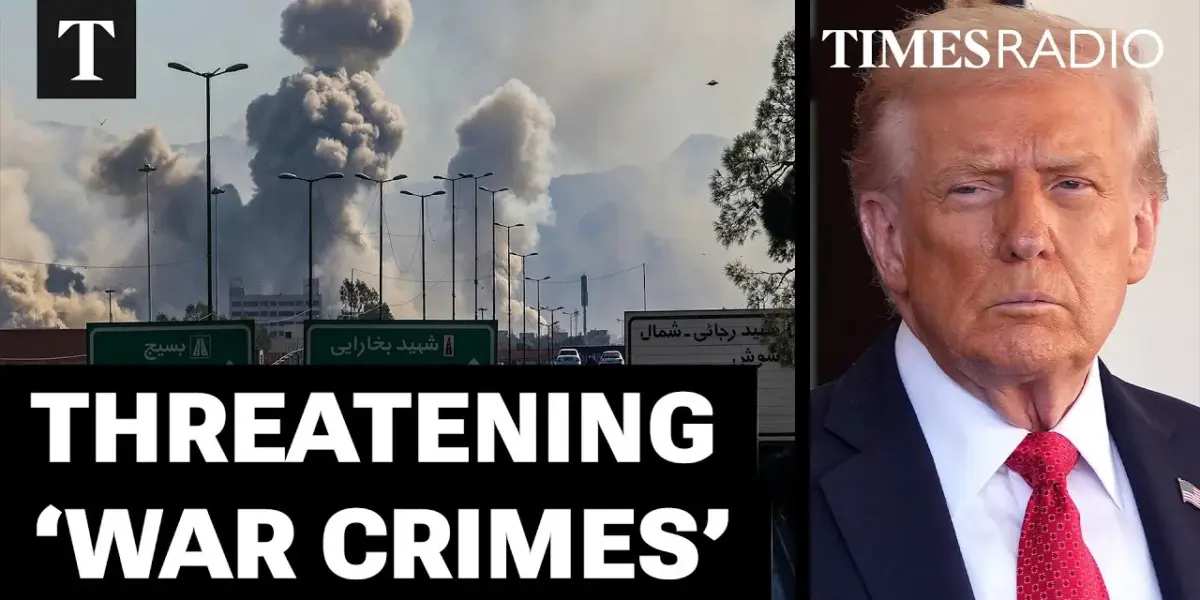
Trump’s Iran Tweet Sparks Outrage and War Crime Concerns
President Donald Trump has ignited a firestorm of criticism following a recent social media post regarding Iran. The message, which suggested targeting Iran’s energy and general infrastructure, has been widely condemned as a threat to commit a war crime. Analysts and commentators are questioning the President’s strategy and the lack of a clear plan in the escalating tensions.
Analysts Decry “Outrageous” and “Crass” Presidential Communication
Sebastian Payne, a columnist for The Times, described the President’s message as “outrageous” and “crass.” He highlighted the deeply offensive nature of the language used, particularly its timing on Easter Sunday and its disrespectful reference to Allah, the God worshipped by over a billion Muslims worldwide. Payne noted that such communication is unhelpful and suggests a leader who is desperate for an exit from the current conflict but lacks a coherent strategy.
“In that tweet, you know, by targeting energy infrastructure and all infrastructure in general. That is that is a war crime that he is threatening to do there and people might just become desensitized to it. But I think it’s important to not be too desensitized. I’ve just realized how absolutely outrageous a lot of this is, but it is fundamentally a president who just doesn’t have a plan.”
Lack of Restraint and Unfiltered Communication
Patrick Kidd, former diary editor of The Times, echoed these sentiments, emphasizing the alarming lack of restraint in the President’s communication. Unlike many world leaders who operate with filters and diplomatic protocols, Trump’s use of social media acts as a direct, unfiltered megaphone. Kidd criticized the timing of the tweet on Easter morning, contrasting it with the President’s public displays of Christian faith. He pointed out that few, if any, advisors seem to be able to offer a restraining influence.
Concerns Over Escalation and International Law
Payne elaborated on the potential consequences of such threats, explaining that targeting civilian infrastructure like energy facilities is a violation of the Geneva Conventions. He warned that such actions could lead to a dangerous escalation, potentially prompting Iran to retaliate by targeting desalination plants, which would have devastating humanitarian consequences. The lack of a clear “off-ramp” or exit strategy from the conflict was a recurring concern, suggesting a reactive rather than strategic approach.
Religious Leaders Call for Peace Amidst Tensions
The escalating rhetoric also drew commentary from religious figures. Pope Francis, the Archbishop of Canterbury, and the Archbishop of Westminster all issued calls for peace during the Easter period. While acknowledging these appeals, some commentators felt the messages could have been more direct in addressing President Trump and Vice President Mike Pence, an avowed Catholic. The effectiveness of such appeals to a leader known for his unconventional communication style was also questioned.
Ukraine War Fades as Iran Tensions Rise
A significant concern raised was the potential for the focus on Iran to distract from the ongoing war in Ukraine. Sebastian Payne noted that Russian President Vladimir Putin would likely welcome this shift in global attention. While Russia has faced difficulties in Ukraine, the diversion of focus allows Moscow to potentially regroup. Despite this, Ukraine has been holding its ground and even making some territorial gains, though the conflict remains largely in a stalemate.
Vice President Pence’s Stance Under Scrutiny
The role and potential influence of Vice President Mike Pence were also discussed. While Pence aligns with the Trump administration’s “America First” approach, which generally favors less foreign intervention, his public silence on the Iran situation was noted. Some speculate that privately, Pence may disagree with the President’s rhetoric, but political considerations keep him in lockstep. However, if the situation in Iran continues to worsen, it could create a rift between the President and Vice President.
Diplomacy vs. Public Declarations
The discussion concluded with a brief consideration of traditional diplomacy versus public pronouncements. While acknowledging that “quiet words” might be exchanged behind the scenes, the prevailing sentiment was one of uncertainty and concern regarding the path forward in the escalating tensions with Iran.
Source: Trump Threatens ‘War Crime’ In Iran, Warning He Will Target Energy Infrastructure | Sebastian Payne (YouTube)

Related Articles
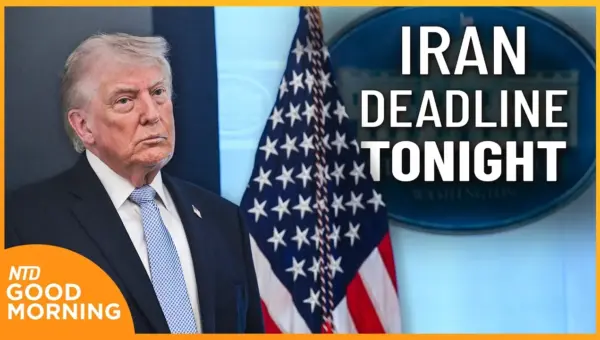
Trump’s Iran Threat Looms as Artemis II Reaches New Space Heights
Former President Trump issued a stern warning to Iran regarding a potential deal, while the Artemis II mission achieved a new distance record in space. The Education Department also announced it is rescinding Title IX agreements related to gender identity policies.


Astronauts Shatter Space Record, Trump Hails New Lunar Era
NASA's Artemis 2 astronauts have achieved a historic milestone, flying farther from Earth than any humans before. The record-breaking mission around the moon also included a touching tribute and a renewed vision for lunar and Martian exploration.

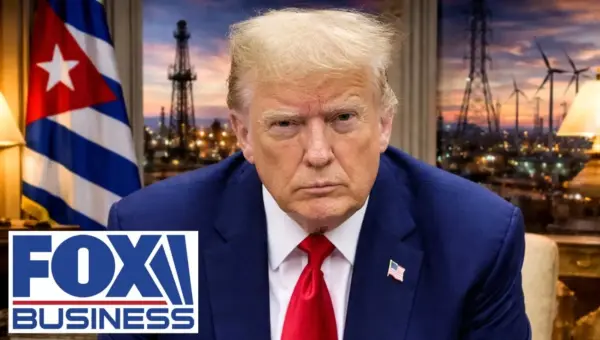
Iran Tensions Spike, Defense Budget Soars, DHS Shutdown Continues
Iran escalates threats in the Gulf, demanding a deal to reopen the Strait of Hormuz or face retaliation. Simultaneously, a massive $1.5 trillion defense budget is proposed in the U.S., while the Department of Homeland Security remains in a protracted shutdown. The debate over Cuba policy also intensifies, with China stepping in to aid the island nation.