Putin’s War Aims: Annihilation, Not Peace
Russia's war aims in Ukraine are centered on annihilation, not peace, according to a former Ukrainian Prime Minister. He describes negotiations as a KGB tactic and highlights Russia's strategic alliance with Iran. Putin's goal is to destroy Ukraine as a state, not to reach a genuine settlement.

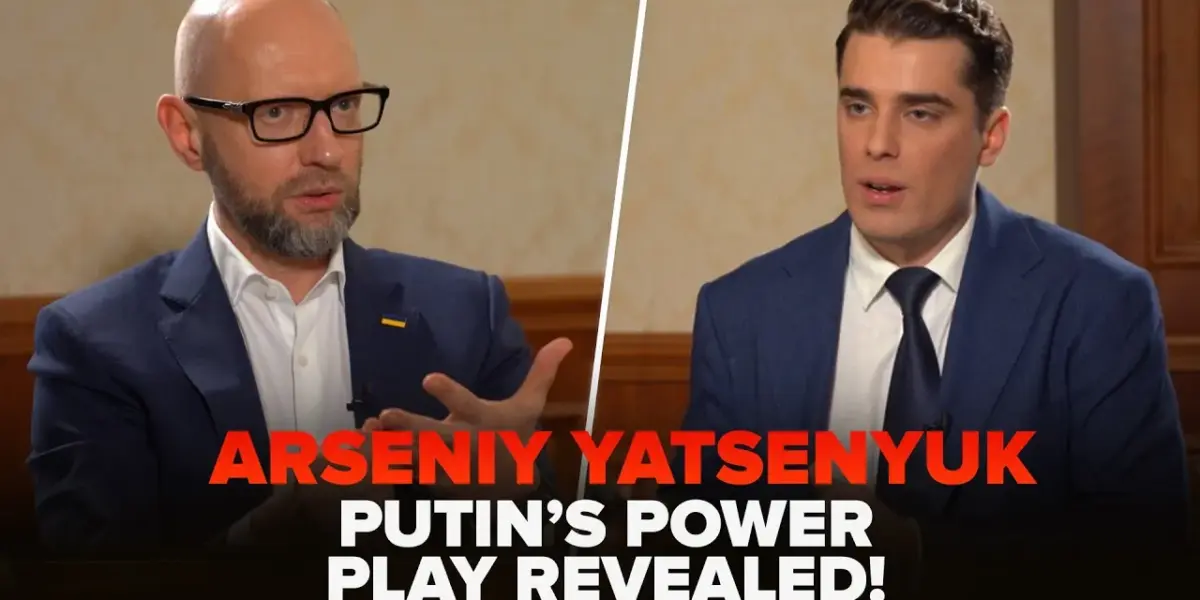
Russia’s True Aims Revealed: Ukraine’s Annihilation
Russia’s stated intentions for the war in Ukraine are far more extreme than previously understood. According to a prominent Ukrainian politician and former Prime Minister, the ultimate goal is not a peace deal, but the complete destruction of Ukraine as a sovereign nation. This revelation comes amidst ongoing discussions about potential negotiations and the influence of global events on the conflict.
The “Negotiations” as a KGB Tactic
The former Prime Minister, who now heads the Open Ukraine Foundation, described the current situation as a “KGB special operation” orchestrated by Russian President Vladimir Putin. He argues that what are being called negotiations are not genuine peace talks. Instead, Putin allegedly uses them as a tactic to delay action, divide Ukraine from its allies like the United States, and continue military operations. The aim is to drain Ukraine’s resources and avoid further international sanctions while continuing to sell oil and gas.
A key part of this strategy, according to the analysis, is Putin’s focus on the “spirit of anchorage.” This refers to his belief that any agreement made with the U.S. president, even if not explicitly stated, is the ultimate goal. This approach sidelines genuine negotiation with Ukraine itself.
Iran: A Strategic Ally in Conflict
The transcript highlights the close relationship between Russia and Iran. Iran is described as a strategic partner, supplying Russia with drones used in attacks on Ukraine. The speaker equates the Russian and Iranian regimes, viewing them as aligned against Western interests. The ongoing conflict involving the United States and Israel against Iran is seen as a distraction from the war in Ukraine. This global focus shift could inadvertently benefit Russia.
Oil Prices and Russian Finances
Global oil prices play a significant role in Russia’s ability to fund the war. Fluctuations in the oil market can provide Russia with much-needed revenue. A deficit in global oil supply can lead to higher prices, which benefits Russia, helping to offset its budget deficit. This makes global energy markets a crucial factor in the financial sustainability of Russia’s military actions.
Undermining U.S. Leadership
Putin’s strategy extends beyond military actions. He is accused of actively seeking to undermine the credibility of the U.S. President and the United States’ role as a global leader. This is done in coordination with allies such as China, North Korea, and Iran. The goal is to weaken international opposition to Russia’s actions.
The “Spirit of Anchorage” and U.S. Policy
The former Prime Minister expressed concern over potential U.S. policy shifts. He referenced a past summit with former President Trump, suggesting Trump may not have achieved his desired concessions from Putin. While U.S. public support for Ukraine remains strong, there is a perceived need for more decisive action from the current administration. The idea of Ukraine ceding territory to Russia for security guarantees is strongly rejected. This is seen as a trap, as Russia’s ultimate goals would remain unchanged.
“Don’t buy it. Even in case if Ukraine decides to seed the land… Russians would never never under any circumstances sign the real peace deal.”
Russia’s Ultimate Goals: Ukraine’s Eradication
The core objectives outlined by Putin in 2024 are stark: no NATO membership for Ukraine, demilitarization, removal of the Ukrainian government, and suppression of Ukrainian language, culture, and church. These aims collectively point towards the “annihilation” of Ukraine as an independent state. The speaker questions why anyone would believe Putin has abandoned these fundamental goals, especially when Russian officials themselves indicate that territorial concessions would only temporarily halt hostilities.
Strategic Implications
The analysis suggests that Russia views negotiations not as a path to peace, but as a strategic tool to achieve its maximalist objectives. The interconnectedness of global energy markets, political alliances, and military actions creates a complex environment. Russia’s ability to sustain its war effort is directly linked to global oil prices and its partnerships with countries like Iran. Furthermore, Putin’s efforts to undermine U.S. leadership pose a challenge to the international order. The unwavering Ukrainian stance against territorial concessions is crucial, as any such move is unlikely to lead to lasting peace based on Russia’s stated aims.
Source: ⚡️Putin’s risky gamble EXPOSED! Kremlin will not BACK DOWN @WorldatStake24 (YouTube)

Related Articles

Iran Tensions Spike, Defense Budget Soars, DHS Shutdown Continues
Iran escalates threats in the Gulf, demanding a deal to reopen the Strait of Hormuz or face retaliation. Simultaneously, a massive $1.5 trillion defense budget is proposed in the U.S., while the Department of Homeland Security remains in a protracted shutdown. The debate over Cuba policy also intensifies, with China stepping in to aid the island nation.

Defense Secretary’s Easter Rescue Comparison Sparks Debate
The U.S. Defense Secretary's comparison of a downed airman's rescue to Jesus' resurrection has sparked debate. Critics argue this religious framing of military action plays into Iran's hands and hinders diplomacy. Experts warn of escalating conflict and historical blowback from such strategies.

Trump Warns Iran: Civilian Targets Could Face Destruction
President Trump has threatened to destroy Iran's bridges and power plants if a deadline regarding the Strait of Hormuz is not met. International alarm is growing as negotiations falter and concerns mount over potential war crimes and the impact on civilians. Allies are expressing deep concern over the U.S. approach and the potential for wider conflict.