Bolton Urges Regime Change in Iran, Criticizes Trump’s Approach
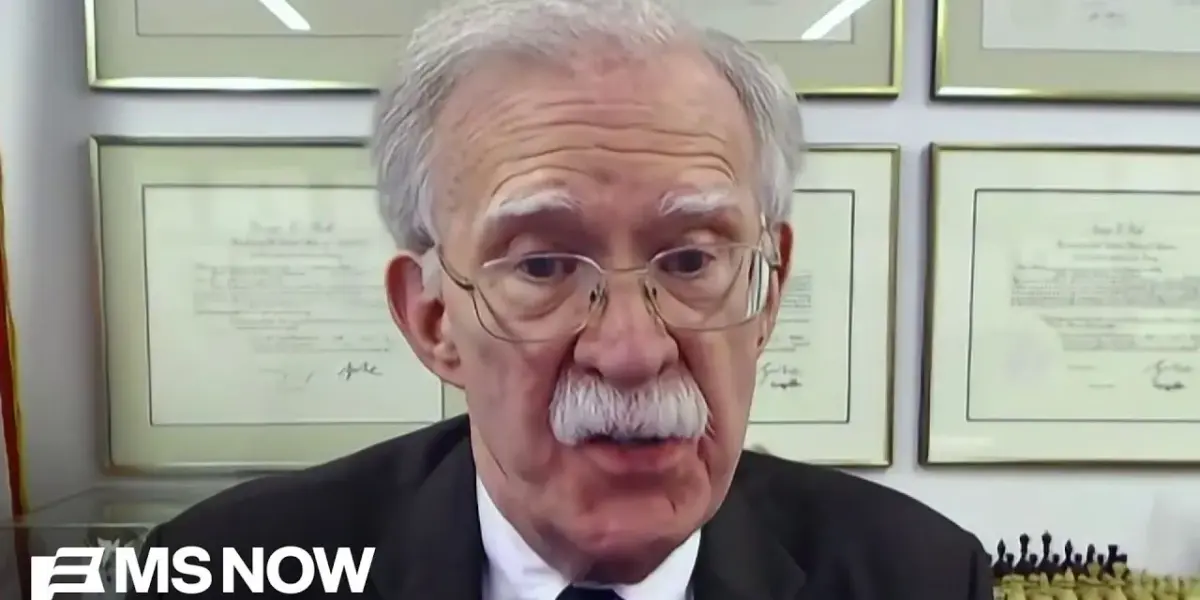
Former National Security Advisor John Bolton is advocating for regime change in Iran, criticizing President Trump's unclear strategy and communication. Bolton suggests specific military and diplomatic actions, including blockading Iran and seizing strategic islands, while urging a stronger focus on weakening the regime. He also addressed concerns about NATO and the need for allied support in international conflicts.

Bolton Advocates for Regime Change in Iran Amidst Escalating Tensions
Former National Security Advisor John Bolton is calling for a clear objective of regime change in Iran, arguing that the current U.S. strategy lacks decisive leadership. In an opinion piece for The Times, Bolton outlines steps he believes the United States can take to achieve this goal. He suggests that the objective should be to weaken the Iranian regime by targeting its leadership and revolutionary forces, leading to internal fragmentation. This, in turn, could empower the Iranian opposition and ultimately lead to the regime’s downfall.
Critique of Trump’s Strategy and Communication
Bolton expressed skepticism regarding President Trump’s objectives and communication strategy concerning Iran. He believes Trump’s approach has been unclear, potentially signaling to Tehran that the U.S. is not fully committed to a decisive outcome. Bolton pointed to Trump’s shifting deadlines and public statements as indicators of indecisiveness. He argued that a clear, consistent strategy, coupled with public and international support, is crucial for success in any conflict.
“I think the objective should be regime change and I’m not sure that is Trump’s objective. I thought it might have been at the beginning but he’s lost the bubble, to say the least, since then.”
John Bolton
Proposed Military and Diplomatic Actions
Bolton suggested specific actions to pressure the Iranian regime. He advocated for blockading Iran to prevent oil exports, arguing this would cut off revenue used to fund military activities. Additionally, he proposed taking control of strategic islands in the Strait of Hormuz currently held by Iran. Bolton believes these actions would be more effective than targeting civilian infrastructure, which he noted could have unintended consequences.
He also touched upon the idea of military operations, suggesting that disabling Iranian capabilities on islands like Greater Tunba, Lesser Tunba, and Abu Musa could be a strategic move. This approach, he argued, would directly counter Iran’s ability to threaten international shipping and could be strategically turned back on the regime itself.
Concerns Over NATO and International Alliances
Addressing broader geopolitical concerns, Bolton discussed the anxieties of European leaders regarding the escalating tensions with Iran and President Trump’s approach to NATO. He noted that European nations are concerned about the potential impact on the alliance, especially given Trump’s past criticisms and musings about withdrawing from or weakening NATO. Bolton urged Europeans to prioritize their strategic interests and support NATO, even amidst disagreements with Trump’s policies. He emphasized the importance of the transatlantic alliance, stating that it is needed now and will be even more so after Trump’s presidency.
The Importance of Public and Allied Support
Bolton stressed that winning a conflict is not solely about military success. He argued that it requires selling the necessity of the action to the American people and marshalling support from allies. According to Bolton, President Trump’s resistance to setting clear objectives and building consensus has hampered the U.S. approach. He believes a broader campaign to garner public sympathy, congressional backing, and international cooperation, particularly with allies and the Iranian opposition, would significantly increase the chances of success.
What’s Next in the Iran Conflict
With diplomatic efforts for a ceasefire underway but facing potential rejection, and military threats hanging in the air, the situation remains volatile. John Bolton’s call for regime change highlights a more aggressive stance than what he perceives as the current administration’s unclear objectives. The coming days will likely reveal whether President Trump will adopt a more defined strategy and whether international pressure will lead to a de-escalation or further escalation of the conflict with Iran. The role of allies and the domestic U.S. response will be critical in shaping the outcome.
Source: John Bolton: The objective in Iran should be regime change, but I'm not sure it is (YouTube)

Related Articles

Trump’s Iran Threat Looms as Artemis II Reaches New Space Heights
Former President Trump issued a stern warning to Iran regarding a potential deal, while the Artemis II mission achieved a new distance record in space. The Education Department also announced it is rescinding Title IX agreements related to gender identity policies.


Astronauts Shatter Space Record, Trump Hails New Lunar Era
NASA's Artemis 2 astronauts have achieved a historic milestone, flying farther from Earth than any humans before. The record-breaking mission around the moon also included a touching tribute and a renewed vision for lunar and Martian exploration.

Iran Tensions Spike, Defense Budget Soars, DHS Shutdown Continues
Iran escalates threats in the Gulf, demanding a deal to reopen the Strait of Hormuz or face retaliation. Simultaneously, a massive $1.5 trillion defense budget is proposed in the U.S., while the Department of Homeland Security remains in a protracted shutdown. The debate over Cuba policy also intensifies, with China stepping in to aid the island nation.