US Oil Exports Surge Amid Iran Tensions, Boosting Dollar
High oil prices, driven by global tensions, are boosting U.S. oil and gas exports, especially to Europe. This situation strengthens the U.S. dollar, despite high prices at the pump for Americans. The U.S. is increasingly becoming a key energy supplier in a volatile world.

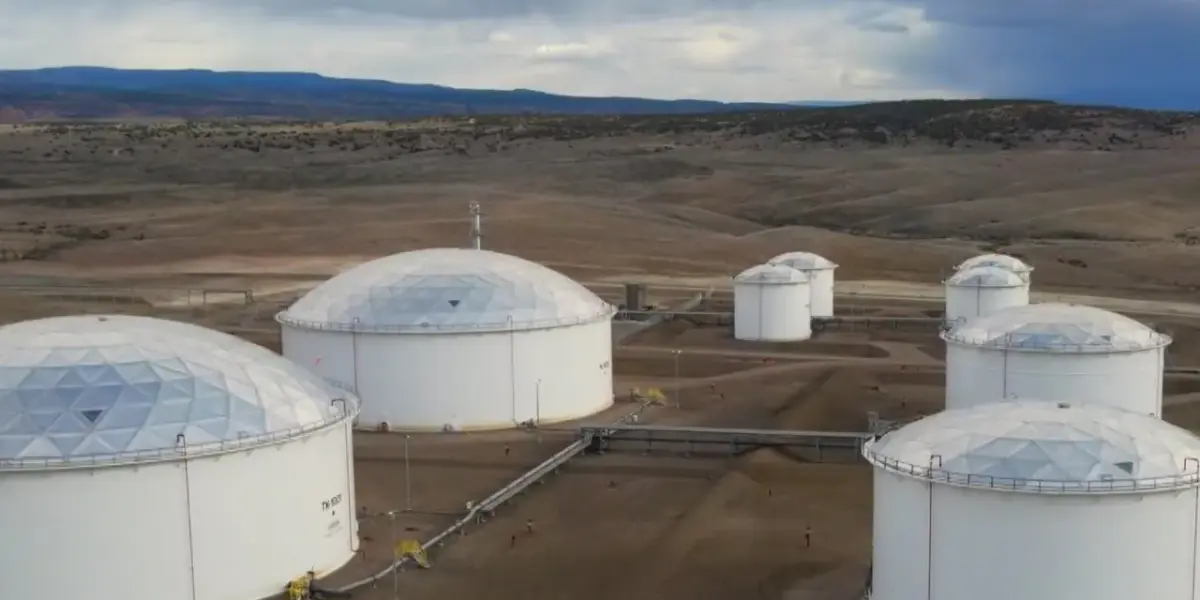
US Oil Exports Surge Amid Iran Tensions, Boosting Dollar
Stock markets are reacting positively to news of a proposed ceasefire deal between Iran and the U.S. This development comes as oil prices remain steady around $110 a barrel. However, many Americans are still feeling the pinch of high gas prices, with the national average for regular gasoline at $4.11 per gallon. Industries also face higher material costs. Despite these challenges, some parts of the U.S. economy are seeing benefits.
Why High Oil Prices Can Help the U.S. Economy
It might seem strange, but higher oil prices and global instability can actually be good for the U.S. economy in some ways. While it’s expensive to fill up a car, the current situation benefits oil companies. The global economy relies heavily on oil from the Middle East. Much of this oil must pass through the Strait of Hormuz, a key shipping route. Thankfully, most of the U.S. is not directly affected by any potential disruption there.
U.S. Becomes Key Energy Supplier to Europe
The U.S. is also exporting more liquefied natural gas (LNG), agricultural goods like corn and soybeans. America is already a major global supplier of natural gas. The ongoing conflict between Russia and Ukraine has changed things. European countries, which used to buy most of their gas from Russia, are now turning to the United States. Reports suggest that by 2025, the U.S. could supply a significant portion of the European Union’s natural gas needs.
Strengthening the U.S. Dollar
This shift towards energy independence for the United States is becoming clearer on the world stage. It could lead to a stronger U.S. dollar. When foreign consumers need to buy U.S.-produced oil and gas, they must purchase it using U.S. dollars. This increased demand for dollars helps boost its value globally.
Global Stress Drives U.S. Gas Prices
The high gas prices in America are not due to a shortage of oil or problems with the supply chain within the U.S. Instead, they are a direct result of the current state of the world. There is a lot of worry and stress globally. This global concern directly impacts oil prices and, in turn, the price at the pump for Americans.
Historical Context: Oil, Geopolitics, and the Dollar
The connection between oil prices, global stability, and the U.S. dollar is not new. The Bretton Woods Agreement after World War II established the U.S. dollar as the world’s primary reserve currency. This was partly linked to the U.S. holding significant gold reserves. Later, in the 1970s, the U.S. made deals with Saudi Arabia and other oil-producing nations. These agreements essentially made oil prices be set in U.S. dollars. This practice, known as petrodollar recycling, has helped maintain the dollar’s dominance for decades. Today’s tensions in the Middle East and the war in Ukraine are testing this system. However, the U.S.’s role as a major energy exporter is reinforcing the dollar’s importance.
Economic Leverage and Global Impact
The U.S. is using its position as a major energy supplier to exert economic influence. By providing natural gas to Europe, it reduces the continent’s reliance on Russia. This can impact international relations and trade agreements. For example, European nations may be less willing to impose harsh sanctions on Russia if they fear energy shortages. The U.S. ability to supply energy also gives it more diplomatic power. Countries that need energy are more likely to align with U.S. foreign policy goals.
Future Scenarios
Several future possibilities exist. A lasting ceasefire in Iran could stabilize oil markets, potentially lowering prices. However, global demand for energy remains high. If the U.S. continues to be a reliable energy supplier, its economic influence will likely grow. The dollar could strengthen further, impacting global trade and investment. Another scenario involves continued instability, leading to volatile energy prices and increased economic pressure on consumers worldwide. The success of U.S. energy exports will depend on global events and sustained domestic production.
Source: Markets react to strikes, talks of Iran ceasefire | Morning in America (YouTube)

Related Articles


Iran Strikes Saudi Oil Hub, Threatening Global Energy
Iran's successful ballistic missile strike on Saudi Arabia's Jubail petrochemical complex exposes the vulnerability of global energy supplies. The attack threatens millions of barrels of oil and refined products, potentially causing price spikes and economic instability worldwide. This escalation signals a dangerous new phase in regional power dynamics.


Trump’s Iran Threats Met With Laughter, Expert Says
Former Royal Navy officer John Foreman believes Iran is 'laughing' at President Trump's escalating threats over the Strait of Hormuz. Foreman suggests Trump's "outlandish rhetoric" stems from miscalculations and a lack of preparedness for the conflict, while military officials convene to plan for the vital waterway's eventual reopening.


GOP Eyes $1.5T Defense Budget, Targets Wasteful Spending
House Republicans are proposing a $1.5 trillion defense budget for 2027, aiming to boost national security and modernize the military. The plan includes cutting wasteful spending and using budget reconciliation to bypass Democratic opposition. Geopolitical tensions with Iran also add a layer of complexity to the fiscal outlook.