Trump’s War Threats Spark Calls for Removal
Donald Trump's recent statements, including threats of "severe war crimes," have sparked widespread concern and calls for invoking the 25th Amendment. The situation is compounded by reports of unpaid White House interns and internal administrative chaos.

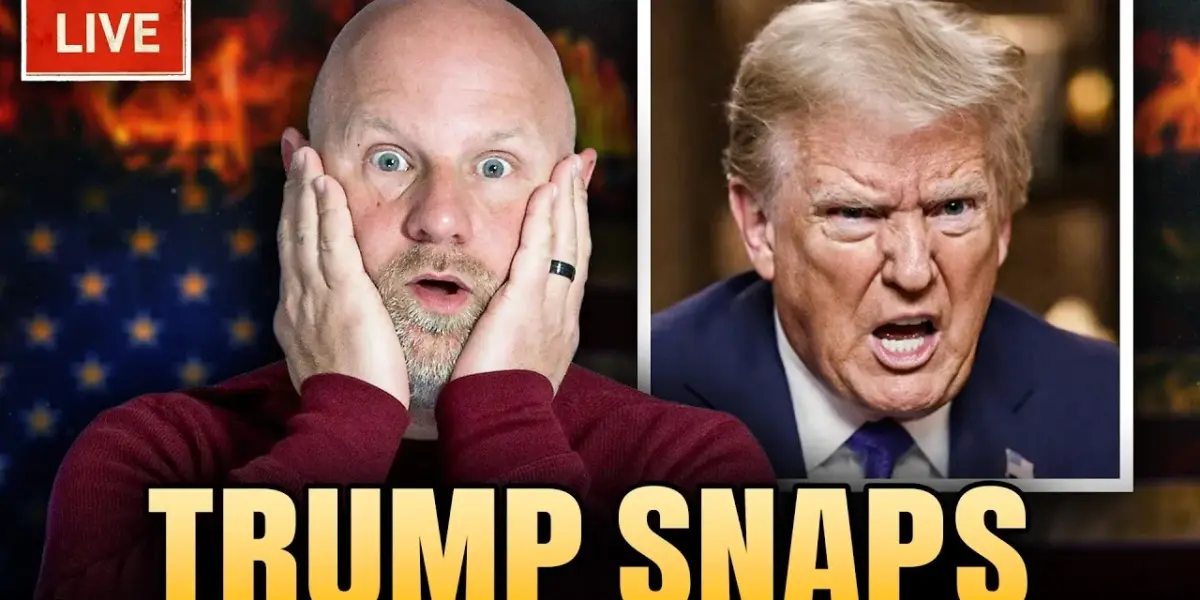
Trump’s Easter Outburst Sparks Constitutional Crisis Fears
Donald Trump’s recent actions, particularly his statements over the Easter holiday, have ignited serious concerns among a wide range of observers. His remarks, which have been described as a “meltdown,” included threats of “severe war crimes.” These statements are seen by many as crossing a critical line, regardless of political party. The gravity of such pronouncements has led to calls for action under the U.S. Constitution.
Calls for the 25th Amendment Grow
Following Trump’s controversial statements, there has been a noticeable increase in public discussion about invoking the 25th Amendment. This amendment to the Constitution allows the Vice President and a majority of the Cabinet to remove a president from office if they are deemed unable to discharge the powers and duties of their office. The idea is that if a president is mentally unfit, there must be a way to step in and protect the country.
Interns Unpaid Amidst White House Chaos
Adding to the growing unease, reports have emerged that White House interns are no longer being paid. This decision comes at a time when the administration itself is reportedly experiencing significant internal turmoil. The White House is described as “melting down” in response to Trump’s latest health scare. This internal disarray, coupled with controversial public statements, paints a picture of a presidency under immense pressure.
Why This Matters
The events surrounding Donald Trump’s recent behavior touch upon fundamental questions about presidential fitness and the stability of government. When a leader makes threats of “severe war crimes,” it goes beyond typical political disagreements. It raises alarms about judgment, temperament, and adherence to international law. Such statements can have serious diplomatic and security implications for the United States on the global stage.
Furthermore, the discussion around the 25th Amendment highlights a growing concern about a president’s mental capacity to lead. While political opponents often criticize a president’s policies or actions, the invocation of the 25th Amendment suggests a deeper worry about a president’s fundamental ability to function in the office. This is a significant step, as it involves a formal process to address perceived incapacitation.
The unpaid intern situation, while seemingly minor, can be seen as a symptom of larger issues within the administration. It suggests a potential breakdown in standard operating procedures and resource management during a period of perceived crisis. This kind of administrative disarray can create an environment of instability and inefficiency, impacting the day-to-day functioning of the executive branch.
Historical Context and Future Outlook
The United States has a long history of political debate and challenges to presidential authority. However, the specific concerns raised now – about war crime threats and mental fitness – are particularly serious. While presidents have faced impeachment proceedings and strong criticism throughout history, the direct calls for the 25th Amendment based on perceived mental instability are less common.
The current situation is unfolding in a highly polarized political climate. This makes any move to formally question a president’s fitness incredibly contentious. Supporters often view such challenges as politically motivated attacks, while opponents see them as necessary measures to protect democratic institutions and national security. The media’s role in reporting these events and shaping public opinion is also crucial.
Looking ahead, the implications of these events could be far-reaching. If calls for the 25th Amendment gain significant traction, it could lead to a constitutional crisis. Even if it doesn’t, the public discourse around presidential fitness and the use of extreme rhetoric will likely continue. The administration’s ability to manage internal operations, like paying interns, will also be closely watched as an indicator of its overall stability and effectiveness.
Ultimately, the current situation forces a national conversation about the boundaries of presidential conduct and the mechanisms in place to ensure responsible leadership. The “meltdown” described is more than just a political event; it’s a moment that tests the resilience of American governance and the public’s trust in its leaders.
Source: Trump Is Losing The War – And His Sanity (YouTube)

Related Articles
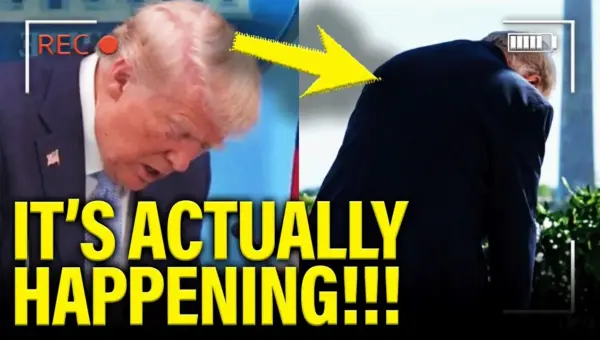
Trump’s Rhetoric and Health Concerns Fuel Global Unease
Recent public appearances by Donald Trump have fueled concerns about his health and the aggressive nature of his rhetoric. His threats towards Iran, coupled with puzzling public statements and a focus on unusual topics, raise significant questions about his fitness for office and the potential impact on global stability and domestic policy.


Astronauts Shatter Space Record, Trump Hails New Lunar Era
NASA's Artemis 2 astronauts have achieved a historic milestone, flying farther from Earth than any humans before. The record-breaking mission around the moon also included a touching tribute and a renewed vision for lunar and Martian exploration.
Trump’s Easter Rant: A Disturbing Display for Children
Donald Trump reportedly delivered a negative and politically charged speech to children at the White House Easter Egg Roll. The incident, which included complaints about failures and attacks on Joe Biden, has drawn criticism for its inappropriateness in a family setting. The event highlights broader concerns about political rhetoric and leadership conduct.