Israel Faces Stalemate: Ceasefire Offers Little Peace
Despite a ceasefire, the situation in Gaza remains dire with Hamas reportedly regrouping and gaining strength. Tensions between Israel and Iran have escalated, marked by recent strikes and potential ceasefire negotiations influenced by former President Trump's unique negotiating style. The conflict with Hezbollah in Lebanon is also expected to continue, posing a long-term challenge to regional stability.

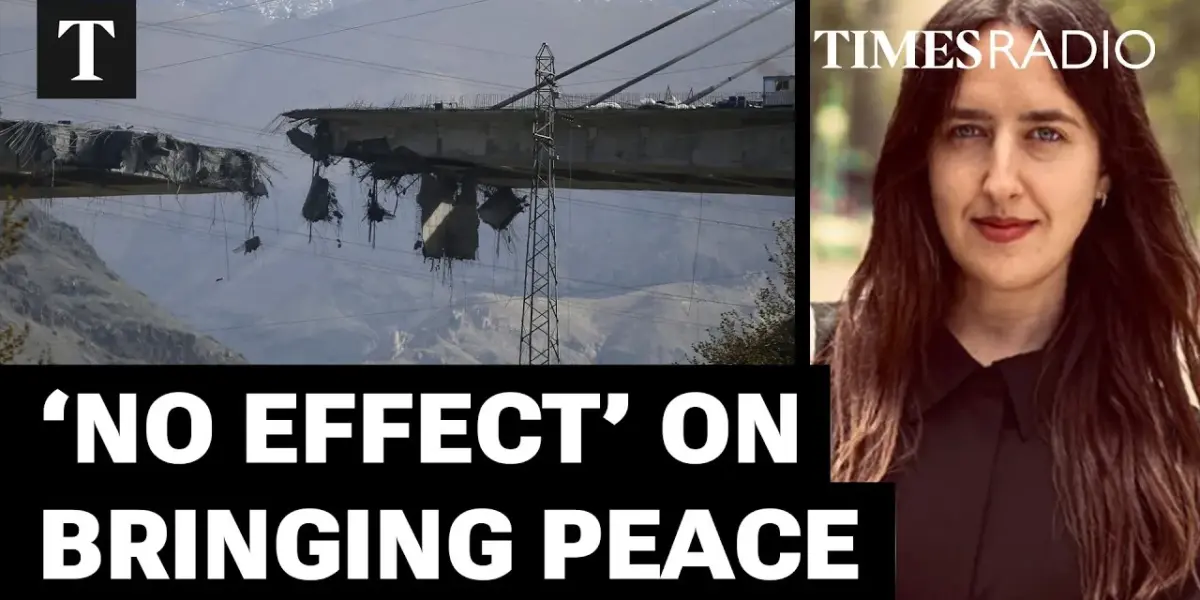
Gaza Situation Dire Despite Ceasefire Efforts
The situation in Gaza remains critical, even with a recent ceasefire in place. While the truce has reduced bombings and lessened the immediate threat of death, hunger, and starvation, basic needs are only slightly better met. More aid is entering the region, offering some relief to the population.
However, Hamas continues to hold power in Gaza. Intelligence assessments suggest Hamas is not only surviving but growing stronger. The group is reportedly regrouping and smuggling in more weapons. This is happening while Iran, much like Hezbollah in recent months, is also rearming under the cover of ongoing conflicts.
This raises serious questions about the effectiveness of current tactics. The idea that simply eliminating leadership figures will bring lasting peace is being challenged. While such operations can be successful in the short term, they do not seem to guarantee an end to conflict or prevent future wars.
Escalating Tensions Between Israel and Iran
Tensions have flared dramatically between Israel and Iran, with both sides exchanging strikes. Early this morning, residents of Tel Aviv were jolted awake by what appeared to be cluster munitions. These munitions struck over 20 different locations from a single strike.
One 32-year-old woman suffered serious injuries when she remained in her car during the attack. It is unclear if she was trying to reach a shelter. Another person sustained severe shrapnel wounds. In a moment of stark contrast, a baby was born in a bomb shelter during the same attack, with both mother and child reported to be doing well after being taken to the hospital.
Cluster munitions, while causing widespread disruption, often do not have the same concentrated destructive power as a single, larger missile warhead. Meanwhile, Israel’s Defense Forces (IDF) have stated they completed a wave of strikes on what they called “Iranian terror regime targets in Tehran.”
Trump’s Negotiating Tactics and Potential Ceasefire
Amidst the escalating conflict, there are reports of potential negotiations for a 45-day ceasefire. According to multiple sources speaking to Axios, a group of mediators, including those from the U.S., are discussing terms for such an agreement.
This approach appears to echo Donald Trump’s past negotiating strategies. During the previous ceasefire talks between Israel and Hamas in October, significant threats were issued by both the Israeli defense ministry and Trump’s administration. These threats, including talk of taking over Gaza City, preceded the eventual ceasefire.
Trump’s current timeline suggests a few more weeks of potential conflict before a ceasefire might be enacted. This pattern of escalating threats, including the potential targeting of civilian infrastructure, is a tactic he has used before. Such actions, however, carry the severe risk of high civilian casualties and could impede future reconstruction efforts.
Assessing the Effectiveness of Past Strategies
The effectiveness of Trump’s unconventional negotiating style is a subject of debate. While a ceasefire was eventually achieved in the Gaza conflict, the situation on the ground remains dire. Hamas is reportedly regrouping and potentially strengthening its position.
This raises questions about whether an unconventional approach, when used by only one party, can truly lead to long-term peace. The comparison to Gaza suggests that while a ceasefire may be achieved on paper, the underlying issues can remain unresolved, and groups like Hamas may continue to gain strength.
The current situation with Iran, mirroring some aspects of the Gaza negotiations, suggests a similar pattern. The question remains whether this strategy can lead to a lasting resolution or simply create a temporary pause before further conflict.
The Unresolved Conflict with Hezbollah
Even if a ceasefire is reached with Iran, the conflict with Hezbollah in southern Lebanon is expected to continue. Israeli residents in the north have endured prolonged periods of threat and have demanded that Hezbollah be fully disarmed.
Reports indicate that Israel has launched a significant ground invasion in southern Lebanon. Residents, particularly those from the Shia community, have been evacuated from the area. This conflict is anticipated to be lengthy and may extend beyond any potential resolution with Iran.
The demand for a complete absence of Hezbollah’s armed presence in southern Lebanon means Israel feels compelled to continue military operations until disarmament is achieved. This ongoing confrontation represents another significant challenge to achieving comprehensive peace in the region.
Source: Israelis Realise That 'Killing Off Leaderships' Will Not Achieve Peace | Gabrielle Weiniger (YouTube)

Related Articles

Iran and US Trade Blows as Tensions Spike
The U.S. and Iran are engaged in a dangerous exchange of strikes, with a critical deadline set by President Trump looming over the Strait of Hormuz. Both nations, along with Israel, are escalating military actions, while diplomatic channels remain open but strained.

Trump’s Iran Threats Spark War Crimes Fears
Former President Donald Trump's extreme threats against Iran have led to a communication blackout and fears of war crimes. Iran has warned of severe regional retaliation if attacked, while international figures call for Trump's removal from office.

Iran Uses Civilians as Shields Amidst Escalating Tensions
Iran has reportedly deployed civilians as human shields around power plants and bridges amidst escalating tensions and collapsing diplomatic talks. This tactic aims to deter potential attacks by creating a moral dilemma, while official statements deny the use of nuclear weapons. The situation highlights a disturbing trend in modern warfare.