Iran Vows ‘Devastating’ Retaliation Amid Peace Talks & IRGC Chief Death
Middle East tensions are high as a proposed peace deal emerges, aiming for a ceasefire and eventual agreement between the U.S. and Iran. However, Iran has voiced skepticism, viewing the plan as a potential tactic. The situation is further complicated by the reported death of a top Iranian Revolutionary Guard intelligence chief and continued aggressive rhetoric from Tehran.

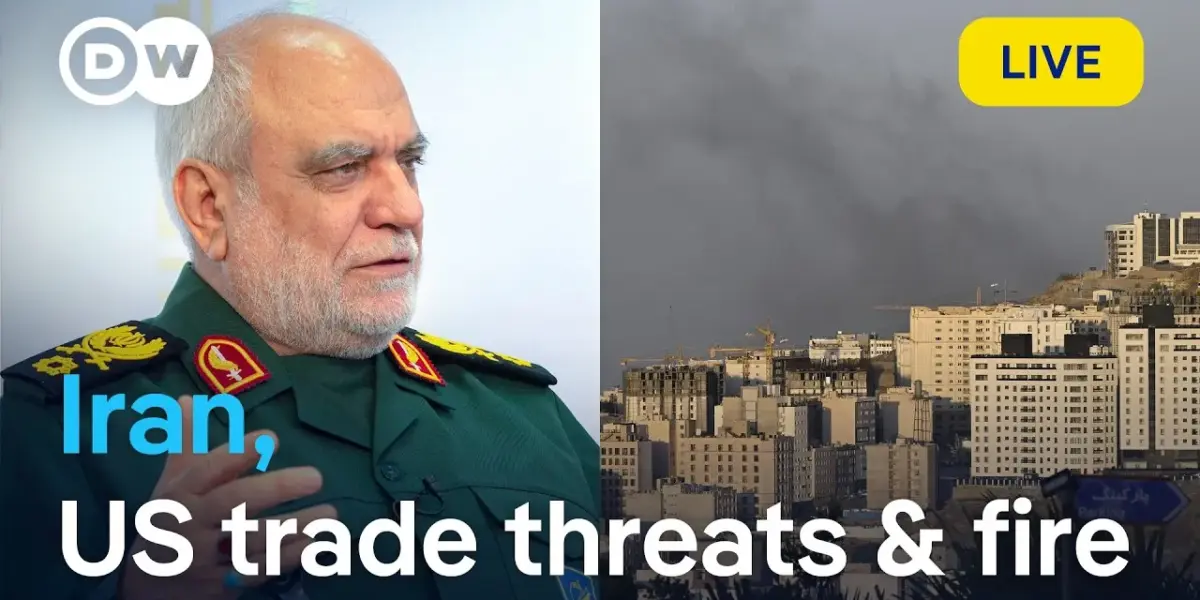
Middle East Tensions Flare Amid Peace Deal Hopes and Iranian Official’s Death
The Middle East remains on edge as reports emerge of a potential peace agreement aimed at ending hostilities and reopening the vital Strait of Hormuz. However, these hopeful developments are overshadowed by escalating threats from Iran and the reported death of a top Iranian Revolutionary Guard intelligence chief. The United States and Iran have both confirmed receiving a proposed plan to cease hostilities, which could take effect as early as Monday. This framework, developed by several mediating nations, was delivered to both countries overnight.
A Two-Tiered Peace Proposal
The reported peace deal outlines a two-step approach: an immediate ceasefire followed by a comprehensive agreement. The ceasefire is expected to last between 15 to 20 days. If a final agreement is reached, Iran would reportedly commit to not pursuing nuclear weapons in exchange for sanctions relief and the release of some of its assets. This initiative, potentially dubbed the “Islamabad Accord” if successful, has been mediated through Pakistan.
Iran’s Skepticism Towards the Peace Plan
Despite the proposed framework, Iran has expressed significant reservations. The spokesperson for Iran’s Foreign Ministry stated that Iran views the current peace talks as a potential tactic by the U.S. to pause the conflict and prepare for further attacks. Iran has indicated it will provide comprehensive comments on the proposal later but is currently rejecting any negotiations conducted under threat or ultimatums. While maintaining indirect communication channels, Iran is dissatisfied with a short ceasefire that could be followed by renewed aggression. They have also labeled some U.S. demands as excessive and unreasonable, signaling a desire for a long-term solution that addresses their conditions.
Targeting Senior Officials: Israel’s Intelligence Strategy
In a significant development, Iran claims that the head of its Revolutionary Guard’s intelligence organization, Major General Majid Khadmi, was killed overnight. State media reported the death but provided no further details. This incident follows a pattern of Israel targeting senior Iranian military and political figures, leveraging its intelligence capabilities. While the loss of high-ranking commanders is costly for Iran, expert analysis suggests these individuals are not irreplaceable, and the country’s command structure has remained intact. The timing of this reported killing, following Iran’s downing of American fighter jets, is seen by some as having a propaganda element, with Israel striking back after what Iran claimed as a victory.
Escalating Rhetoric and Proxy Actions
Iran has significantly intensified its rhetoric in recent weeks, including threats of “devastating” retaliation and opening the “gates of hell.” These aggressive signals stem from both external and internal factors. Externally, Iran is responding to strong language from adversaries like the U.S. and Israel to avoid appearing weak, especially when facing a military tactical disadvantage. A stronger rhetoric also aims to signal potential costs and deter further escalation, particularly if other Western nations are not fully aligned with the conflict. Internally, such strong language reinforces an image of strength for its core supporters during a crisis, boosting morale.
Coordinated Proxy Operations
The conflict has also seen coordinated or near-simultaneous attacks involving Iran’s regional allies and proxies, such as Hezbollah and the Houthis. While Iran likely plays a coordinating role and provides direction, these groups also operate with their own internal dynamics and agendas. There is a mutual dependency: Iran relies on these groups for its regional influence and, now facing a survival threat, for its own internal security. Conversely, these proxies recognize that the weakening or fall of the Islamic Republic would significantly undermine their own positions. An ideological and religious bond also ties these groups together.
The Strait of Hormuz: A Critical Chokepoint
The Strait of Hormuz, a critical global energy chokepoint, remains a focal point of the conflict. While not fully closed, ship passage is selective, with some vessels reportedly paying fees to transit. Iran has signaled that the strait will not return to its pre-war status, especially for the U.S. and Israel, indicating a desire to maintain control and establish a “new regional order.” A complete closure, potentially involving naval mines, is considered a last resort if the conflict escalates significantly. Any forced reopening by military means would likely lead to further regional escalation and potentially widen the conflict.
Perceptions of U.S. Weakness and Iranian Resilience
From Iran’s state media perspective, the narrative focuses on claiming victories, downplaying the impact of U.S. and Israeli attacks, and highlighting perceived Iranian successes. This strategy aims to boost the morale of core supporters and project strength. While direct voices from within Iran are limited due to internet shutdowns, initial perceptions of the Islamic Republic’s fragility have reportedly shifted. Both supporters and dissidents seem to perceive a change in the state’s ability to survive the ongoing conflict. Comments from viewers suggest a debate about U.S. weaknesses, while acknowledging Iran’s surprising resilience despite a tactical disadvantage.
Negotiation Dynamics and Future Risks
Identifying the specific individuals negotiating on behalf of Iran is challenging due to a lack of public information. While Iran’s Foreign Ministry, including figures like Minister Mohammad Javad Zarif, is officially involved, other intermediaries may also be used. The risk of Iran’s proxies launching terror attacks outside the Gulf region, such as in the U.S. or Western Europe, is currently considered unlikely in a systematic manner. Iran is reportedly conscious of Western public opinion and aims to avoid actions that would damage its diplomatic efforts or alienate Europe. However, isolated attacks by individuals inspired by the conflict cannot be ruled out. A more likely consequence of de-escalation failure could be a wave of immigration and refugees to Europe.
Looking Ahead
The coming days will be crucial in determining the fate of the proposed peace deal and the trajectory of the conflict. Iran’s response to the ceasefire proposal, coupled with potential further military actions or escalations, will shape the regional and global security landscape. The effectiveness of Israel’s strategy of targeting Iranian officials and Iran’s ability to maintain internal cohesion and project strength will also be closely watched.
Source: Iran threatens ‘devastating’ retaliation; IRGC intelligence chief ‘killed’ | DW News (YouTube)

Related Articles


Trump Threatens Iran’s Infrastructure in Hormuz Standoff
President Trump has threatened to cripple Iran's infrastructure, including bridges and its power grid, if it continues to harass shipping in the Strait of Hormuz. Former Congressman Bob McEwen explained this strategy aims to force Iran to negotiate by severely damaging its operational capacity. The discussion also addressed the potential for such actions to be considered war crimes, with McEwen distinguishing between infrastructure attacks and the targeting of civilians.

Trump’s Rhetoric and Health Concerns Fuel Global Unease
Recent public appearances by Donald Trump have fueled concerns about his health and the aggressive nature of his rhetoric. His threats towards Iran, coupled with puzzling public statements and a focus on unusual topics, raise significant questions about his fitness for office and the potential impact on global stability and domestic policy.

Trump’s Iran Threat Looms as Artemis II Reaches New Space Heights
Former President Trump issued a stern warning to Iran regarding a potential deal, while the Artemis II mission achieved a new distance record in space. The Education Department also announced it is rescinding Title IX agreements related to gender identity policies.