Trump Warns of ‘Massive Destruction’ Amid Iran Tensions
Former President Trump warned of "massive destruction" if a deal with Iran isn't reached swiftly, while tensions escalate in the Middle East. The UAE is reportedly ready to join the U.S. in securing the Strait of Hormuz, as NATO faces internal strains and China's energy imports are threatened.

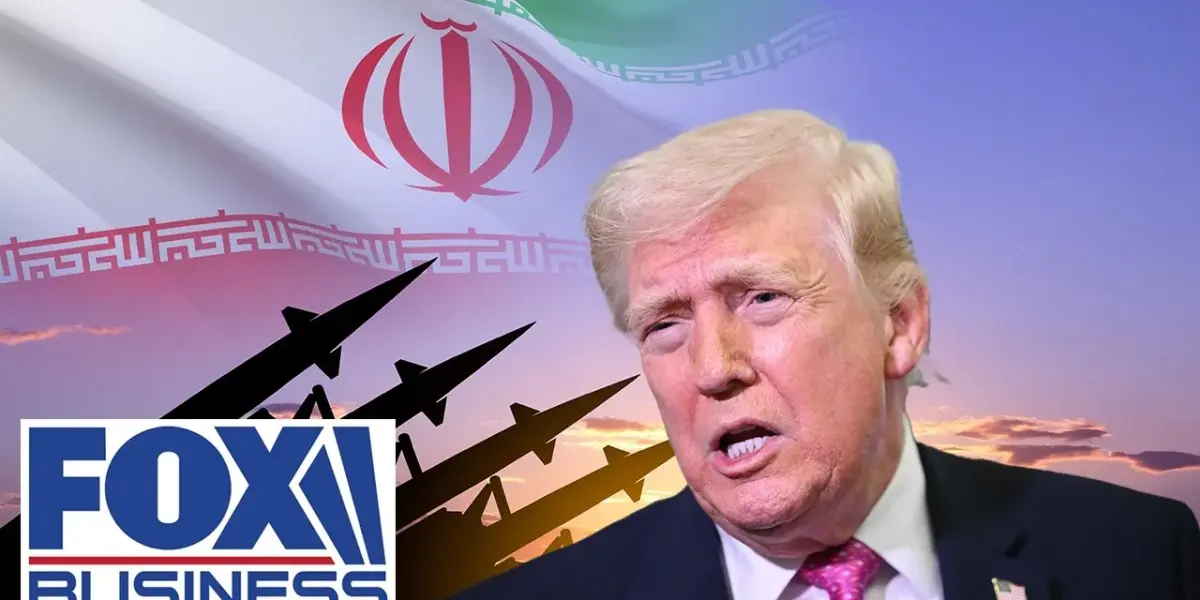
Trump Sounds Alarm on Iran, Urges Swift Deal Amid Escalating Tensions
Former President Donald Trump has issued a stark warning regarding Iran, suggesting a potential for “massive destruction” if a deal is not reached quickly. Speaking to Fox News, Trump indicated a strong expectation of a swift resolution, stating, “They’re not going to have a nuclear weapon. It’s been conceded. Most of the points are conceded.” He added that he believes there’s a “good chance tomorrow” for negotiations to conclude successfully.
However, Trump also conveyed a more aggressive stance, threatening, “You’re going to see bridges and power plants dropping all over their country if they don’t make a deal and fast.” He even considered the possibility of “blowing everything up and taking over the oil.” This strong rhetoric comes as senior Israeli officials confirmed to Fox News that the head of Iran’s Islamic Revolutionary Guard Corps (IRGC) intelligence was killed in a new wave of strikes, along with a commander of a special operations unit. These actions follow the U.S. rescue of a second airman lost in the Iranian mountains after an Iranian jet was shot down.
UAE Steps Up as Key Regional Ally
The situation is further complicated by reports from The Wall Street Journal and Fox News indicating the United Arab Emirates (UAE) is pushing for the Strait of Hormuz to be opened by any means necessary. The UAE is reportedly willing to join the fight alongside the United States to achieve this goal. Christian Whiton, a former Trump State Department senior advisor, called this a “big deal,” highlighting the UAE’s growing role as a crucial regional partner.
Whiton noted that the UAE, along with Israel, has been a key player in establishing ties through the Abraham Accords. He suggested the UAE might be a more significant partner than Saudi Arabia or Qatar in opposing Iran. Iran has targeted Gulf Arab states, including the UAE, even without direct attacks. Whiton believes these Arab nations are more aligned with the U.S. than some European NATO allies. They are particularly concerned about reopening the Strait of Hormuz, a vital route for their oil and gas exports.
NATO Faces Strain Over Global Conflicts
The article also touches on the strained relationship within NATO, as reported by The Wall Street Journal. Tensions are mounting over ongoing conflicts, leading to a frosty relationship and a lack of trust. Mark Rupp was expected to meet with President Trump and cabinet officials to address the state of the NATO relationship.
Whiton expressed that Trump has been frustrated by the lack of partnership from NATO members. He argued that European nations and NATO primarily attend meetings but lack the means and will to act decisively without U.S. support. He pointed out the inability of the British military to deploy sufficient ships and the French offering help only after military conflicts conclude. Whiton suggested that the U.S. may be the only significant contributor to NATO, noting instances where Spain has prevented the U.S. from using military bases within NATO territory. He believes the current issues are difficult to resolve through words alone.
China’s Role in Energy and Trade Dynamics
China’s involvement in the Middle East tensions and its relationship with Russia are also under scrutiny. Reports suggest China is willing to cooperate with Russia to ease tensions in the Middle East and help open the Strait of Hormuz. However, this situation could significantly impact China, which relies heavily on oil imports, including from Iran and Russia, often at below-market prices due to sanctions.
If oil flow is disrupted, China may be forced to pay higher market prices, potentially hurting its economy. The article contrasts this with some U.S. political viewpoints that suggest China benefits from U.S. trade policies. Whiton countered this, arguing that China’s economic recovery post-pandemic has been weak. He also mentioned that Trump has been a strong advocate for issues like the release of Jimmy Lai from Hong Kong. The upcoming summit with China in mid-May could be a motivating factor for Trump to resolve the Iran situation sooner.
Negotiating the trade relationship with China while managing other global threats presents a challenge. Whiton suggested that Trump must prioritize his battles, as fighting on multiple fronts—a kinetic war and a trade war—simultaneously is difficult. He noted that Europe, Canada, and China are all significant trade partners, and the U.S. cannot afford to alienate all of them. Regarding China, Whiton advised a policy of “distrust and verify” rather than simply “trust but verify,” suggesting that tariffs should increase if China does not clearly comply with trade agreements. Despite this, he acknowledged Trump has been tough on China, but China needs to deliver tangible results.
Ukraine Conflict and Potential Shift in U.S. Support
The transcript also mentions potential peace talks between Ukraine and Russia. Ukrainian officials are reportedly flagging a possible meeting with Steve Witkoff and Jared Kushner later this month to restart ceasefire negotiations. While the White House has not confirmed this, such a meeting could occur after April 12th.
Whiton suggested that Trump remains concerned about the Ukraine war, even if it’s not a top U.S. national security priority. He believes European nations have put Ukraine in a difficult position. Russia continues to export millions of barrels of oil daily, and the conflict has doubled oil prices, increasing Russia’s revenue despite sanctions. Whiton explained that if the U.S. has to divert advanced munitions and intelligence support from Ukraine to the Middle East due to a lack of European contribution, it could put Ukraine in a precarious situation.
This scenario might lead to increased pressure on Ukraine to settle its conflict with Russia. The situation in the Strait of Hormuz also impacts Russia, as it could make oil exports more challenging for them as well. Whiton concluded by stating that the U.S. might shift its focus, potentially putting more pressure on Ukrainians to reach a settlement with Russia.
Market Impact and Investor Considerations
The escalating tensions in the Middle East, particularly concerning Iran and the Strait of Hormuz, pose significant risks to global energy markets. Disruptions to oil supply could lead to higher energy prices, impacting inflation and economic growth worldwide. China’s heavy reliance on oil imports makes it particularly vulnerable to price shocks. Investors should monitor developments in the region closely, as geopolitical instability often translates into market volatility.
The strain within NATO and potential shifts in U.S. foreign policy priorities could also have broader economic implications. A less unified NATO might lead to increased defense spending by individual nations or a greater reliance on regional alliances. The ongoing conflict in Ukraine and potential U.S. pressure for a settlement could also affect energy markets and geopolitical alignments. Investors should consider how these geopolitical shifts might influence sectors like energy, defense, and international trade. The complex interplay between trade relations, energy security, and military conflicts suggests a period of heightened uncertainty for global markets.
Source: ‘BLOWING EVERYTHING UP’: Trump warns of MASSIVE destruction without deal (YouTube)

Related Articles
Iran Strikes Saudi Oil Hub, Threatening Global Energy
Iran's successful ballistic missile strike on Saudi Arabia's Jubail petrochemical complex exposes the vulnerability of global energy supplies. The attack threatens millions of barrels of oil and refined products, potentially causing price spikes and economic instability worldwide. This escalation signals a dangerous new phase in regional power dynamics.
Fox News Hosts Falter as Trump’s Iran Stance Backfires
Fox News personalities appeared flustered and divided as Donald Trump's aggressive stance on Iran faced rejection and criticism. The segment highlighted conflicting narratives, blame-shifting, and defenses of Trump's image amidst international tensions.
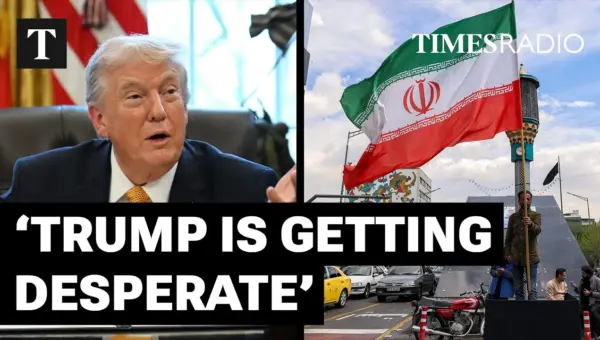
Trump’s Iran Threats Met With Laughter, Expert Says
Former Royal Navy officer John Foreman believes Iran is 'laughing' at President Trump's escalating threats over the Strait of Hormuz. Foreman suggests Trump's "outlandish rhetoric" stems from miscalculations and a lack of preparedness for the conflict, while military officials convene to plan for the vital waterway's eventual reopening.