Iran’s Shadow Navy Fuels Global Oil Price Fears
Iran's conventional navy may be weakened, but its IRGC Navy employs asymmetric tactics that continue to threaten global oil shipping. This shadow force's ability to disrupt the Strait of Hormuz can create market uncertainty and drive up gas prices, proving that military victories aren't always clear-cut.

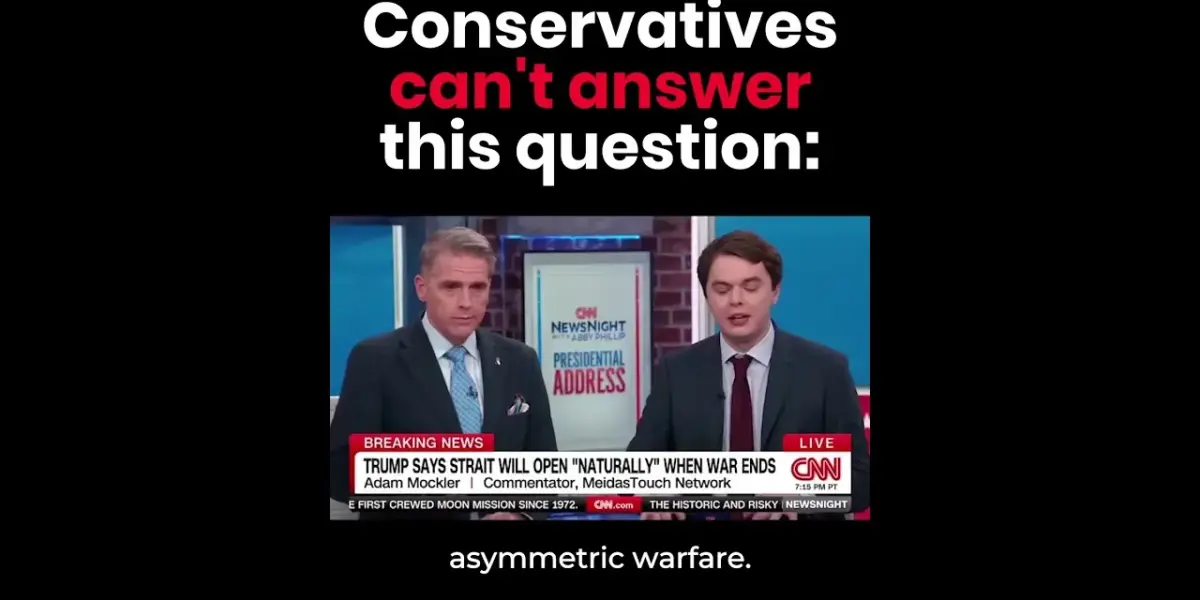
Iran’s Secret Weapon: The IRGC Navy
For years, discussions about Iran’s military strength have often focused on its conventional forces. However, a crucial element often overlooked is the Iranian Revolutionary Guard Corps (IRGC) Navy. This specialized force operates differently from a traditional navy, focusing on asymmetric warfare tactics rather than large-scale fleet battles. Understanding this distinction is key to grasping why certain geopolitical events continue to impact global markets, particularly oil prices.
The Puzzle of Perceived Victories
When confronting Iran, the narrative often suggests decisive military actions have been taken. If these actions have truly crippled Iran’s naval capabilities, a logical question arises: why do the effects linger? The ability of Iran to still influence global affairs, especially concerning oil, points to a more complex reality than a simple win-loss scenario. This persistent influence suggests that conventional assessments of Iran’s military might may be incomplete.
Asymmetric Warfare: A Different Kind of Fight
The IRGC Navy specializes in what’s known as asymmetric warfare. Think of it like a smaller, faster boxer fighting a much larger opponent. Instead of trading direct blows, the smaller boxer uses quick jabs, dodges, and tries to exploit weaknesses. The IRGC Navy uses similar tactics at sea. They might use small, fast boats, mines, or even drones to disrupt shipping or target specific vessels. This approach is designed to be effective even against a technologically superior force, like the U.S. Navy.
How Iran’s Navy Affects Oil Prices
The Strait of Hormuz is a vital waterway for global oil transport. A significant portion of the world’s oil passes through this narrow channel. If Iran, through its IRGC Navy, can threaten or disrupt shipping in this area, it creates uncertainty in the oil market. This uncertainty can lead to price increases. It’s like a rumor of a shortage at the grocery store; even if there’s plenty of food, the fear of not getting it can cause people to rush and buy more, driving up prices.
The Two Navies: A Simple Explanation
To understand Iran’s continued influence, it helps to picture two separate Iranian naval forces. One is the regular, conventional navy, which has faced significant challenges and damage over time. The other is the IRGC Navy, which operates more independently and focuses on those asymmetric tactics. While one might be weakened, the other remains a potent force capable of causing disruption. It’s like having two businesses: one is struggling, but the other is still very active and making a profit.
Why This Matters
The ongoing ability of Iran’s IRGC Navy to potentially influence global oil prices is a critical geopolitical issue. It shows that military victories, when defined narrowly, don’t always translate to complete control or stability. The market reacts not just to actual disruptions but also to the *threat* of disruption. This means that even if Iran’s conventional navy is neutralized, the IRGC’s asymmetric capabilities can still create global economic ripple effects. This dynamic highlights the importance of understanding unconventional warfare and its impact on international security and economies.
Historical Context and Future Outlook
The IRGC was formed shortly after the 1979 Iranian Revolution, with a mission to protect the revolution’s ideals. Over decades, it has grown in power and influence, developing its asymmetric warfare capabilities as a way to counter larger, more established military powers. This strategy has allowed Iran to project power and exert influence despite facing international sanctions and military pressure. Looking ahead, as global energy demands continue, the role of waterways like the Strait of Hormuz and the threat posed by asymmetric naval forces will likely remain a significant factor in international relations and energy markets. The world will continue to watch how these dynamics play out, especially concerning the potential for oil price volatility.
Source: Ask ANY Conservative This Question… (YouTube)

Related Articles

Trump Threatens Iran’s Infrastructure in Hormuz Standoff
President Trump has threatened to cripple Iran's infrastructure, including bridges and its power grid, if it continues to harass shipping in the Strait of Hormuz. Former Congressman Bob McEwen explained this strategy aims to force Iran to negotiate by severely damaging its operational capacity. The discussion also addressed the potential for such actions to be considered war crimes, with McEwen distinguishing between infrastructure attacks and the targeting of civilians.

Trump’s Rhetoric and Health Concerns Fuel Global Unease
Recent public appearances by Donald Trump have fueled concerns about his health and the aggressive nature of his rhetoric. His threats towards Iran, coupled with puzzling public statements and a focus on unusual topics, raise significant questions about his fitness for office and the potential impact on global stability and domestic policy.
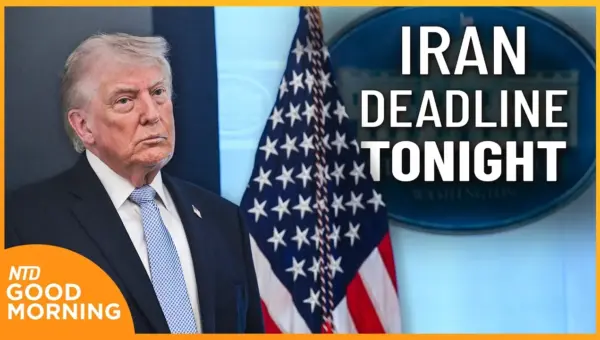
Trump’s Iran Threat Looms as Artemis II Reaches New Space Heights
Former President Trump issued a stern warning to Iran regarding a potential deal, while the Artemis II mission achieved a new distance record in space. The Education Department also announced it is rescinding Title IX agreements related to gender identity policies.