Trump’s Iran Threat Sparks Global Economic Fears
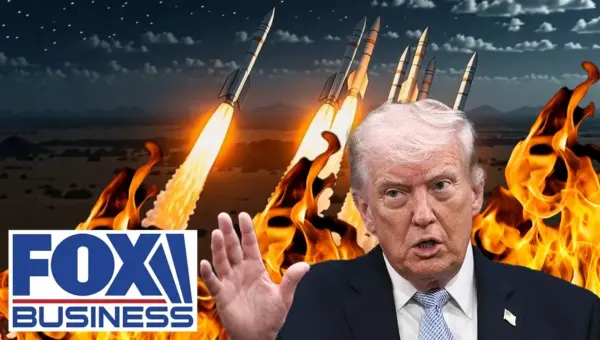
Former President Donald Trump's aggressive ultimatum to Iran, threatening critical infrastructure like power plants and bridges, has raised global economic concerns. This inflammatory rhetoric suggests diplomatic failures and could trigger retaliatory attacks on energy facilities, potentially leading to a severe oil supply shock and widespread inflation.

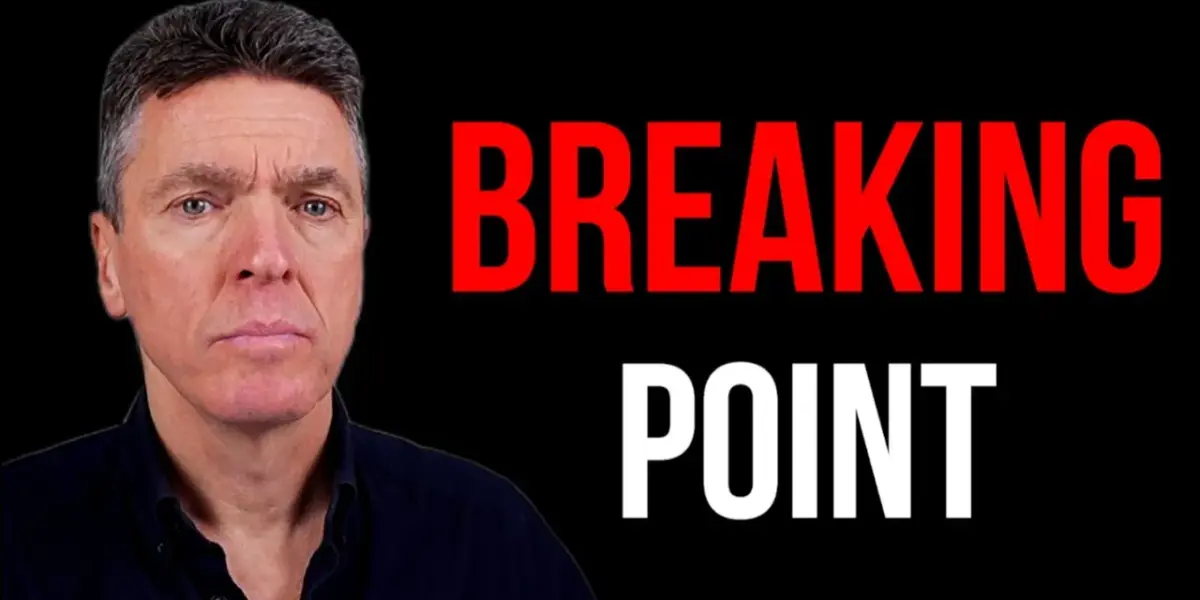
Trump’s Aggressive Stance on Iran Raises Global Economic Alarms
A recent, highly unusual statement from former U.S. President Donald Trump directed at Iran has sent ripples of concern through global markets, hinting at potential economic turmoil if tensions escalate. The strong language, which included threats against Iran’s power plants and bridges, suggests a significant breakdown in diplomatic efforts and raises the specter of widespread energy supply disruptions.
Direct Threats and Inflammatory Language
Donald Trump posted on his Truth Social platform a message that departed sharply from typical diplomatic communication. He wrote, “Tuesday will be power plant day and bridge day all wrapped up in one in Iran. There will be nothing like it. Open the bleep straight, you crazy bleep or you’ll be living in hell. Just watch. Praise be to Allah.” This direct and aggressive tone, including expletives and a religious reference, signals deep frustration and a potential shift towards forceful action.
Experts note that such language from a world leader typically indicates that a strategy is not working as planned. If Iran were complying or if negotiations were progressing smoothly, this level of public confrontation would likely be avoided. The aggressive rhetoric makes it harder for Iran to back down without appearing weak, potentially hardening its stance and making a peaceful resolution more difficult.
Escalating Threats Target Critical Infrastructure
The statement also appears to shift the deadline for Iran’s compliance, moving from an unspecified Monday to a Tuesday. More critically, the nature of the threatened targets has become more severe. Instead of solely focusing on military sites, the threat now includes power plants and bridges. These are essential pieces of infrastructure that keep a country functioning.
If the U.S. were to follow through on such threats, Iran would almost certainly retaliate. Analysts believe this retaliation would likely target energy infrastructure across the Middle East. Reports of recent attacks on energy facilities in places like Kuwait, although not explicitly linked to Iran in the transcript, highlight the region’s vulnerability. Israel estimates that Iran still possesses around 1,000 ballistic missiles, a significant arsenal capable of causing widespread damage.
Global Economic Impact: A Supply Shock Scenario
The true economic danger lies in Iran potentially striking oil and gas facilities. This would not just be a regional problem but could trigger a global supply shock. Energy infrastructure is complex and often takes months or even years to repair if damaged, with some damage being permanent. A long-term reduction in global oil and gas supply, combined with steady or increasing demand, would inevitably lead to soaring energy prices.
In a severe escalation, oil prices could theoretically reach $150 to $200 per barrel. This would dramatically increase the cost of diesel and gasoline. As energy is fundamental to the global economy, rising fuel costs would increase transportation expenses, leading to higher prices for all goods. This surge in prices, or inflation, would force central banks into difficult decisions: raise interest rates to curb inflation, which could slow economic growth, or allow inflation to continue, eroding people’s purchasing power. Either path creates significant economic instability, potentially leading to a global recession.
Contradictions and Diplomatic Efforts
The transcript also touches on the stated reasons for U.S. involvement, such as preventing Iran from developing nuclear weapons. However, it points out a potential contradiction: if U.S. strikes in the summer of 2025 completely destroyed Iran’s nuclear facilities, as widely reported, then current claims that Iran is closer than ever to developing a weapon raise questions about the underlying justifications for current actions.
Amidst these tensions, there are reports of ongoing, albeit potentially fragile, diplomatic discussions between the U.S. and Iran’s foreign minister regarding a possible 45-day ceasefire. These talks are seen as a positive sign, offering a chance to reduce immediate escalation risks. If a ceasefire is agreed upon, it would likely provide a much-needed de-escalation.
Market Reaction and Critical Juncture
Interestingly, financial markets have remained relatively calm so far. Oil prices have not seen a massive spike, and global stock markets have not experienced a major sell-off. This suggests that investors are still hoping for a diplomatic solution and are pricing in the possibility of a ceasefire. However, this calm is fragile.
If the ceasefire talks fail, and if the U.S. proceeds with its threats while Iran retaliates, markets will likely react very swiftly and sharply. Investors will need to rapidly reassess the situation, potentially leading to significant price movements. The next 24 to 48 hours are considered critical. They will likely determine the direction of energy prices, financial markets, and the broader global economy for the remainder of the year.
What Investors Should Know
The current situation presents a stark binary choice: a diplomatic breakthrough or a major escalation with severe economic consequences. Investors should be aware that current market stability may not reflect the full potential impact of a breakdown in negotiations. Any signs of failed diplomacy or renewed aggression could trigger rapid and substantial market volatility, particularly in energy commodities and related equities. The potential for a global supply shock impacting inflation and economic growth remains a significant risk factor that could unfold quickly if tensions boil over.
Source: Breaking Point (YouTube)

Related Articles

Iran Strikes Saudi Oil Hub, Threatening Global Energy
Iran's successful ballistic missile strike on Saudi Arabia's Jubail petrochemical complex exposes the vulnerability of global energy supplies. The attack threatens millions of barrels of oil and refined products, potentially causing price spikes and economic instability worldwide. This escalation signals a dangerous new phase in regional power dynamics.

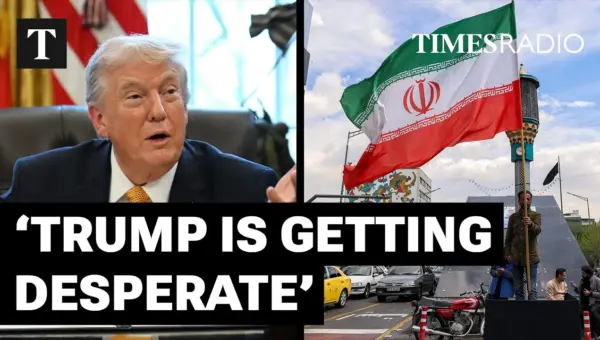
Trump’s Iran Threats Met With Laughter, Expert Says
Former Royal Navy officer John Foreman believes Iran is 'laughing' at President Trump's escalating threats over the Strait of Hormuz. Foreman suggests Trump's "outlandish rhetoric" stems from miscalculations and a lack of preparedness for the conflict, while military officials convene to plan for the vital waterway's eventual reopening.
GOP Eyes $1.5T Defense Budget, Targets Wasteful Spending
House Republicans are proposing a $1.5 trillion defense budget for 2027, aiming to boost national security and modernize the military. The plan includes cutting wasteful spending and using budget reconciliation to bypass Democratic opposition. Geopolitical tensions with Iran also add a layer of complexity to the fiscal outlook.