Strait of Hormuz Deal Offers Iran Ceasefire, Europe Energy Relief
A new proposal brokered by Pakistan offers Iran a temporary ceasefire in exchange for reopening the Strait of Hormuz. This move aims to prevent wider conflict and avert an energy crisis in Europe. The deal also includes steps towards lifting sanctions on Iran and limiting its nuclear ambitions.

Strait of Hormuz Deal Offers Iran Ceasefire, Europe Energy Relief
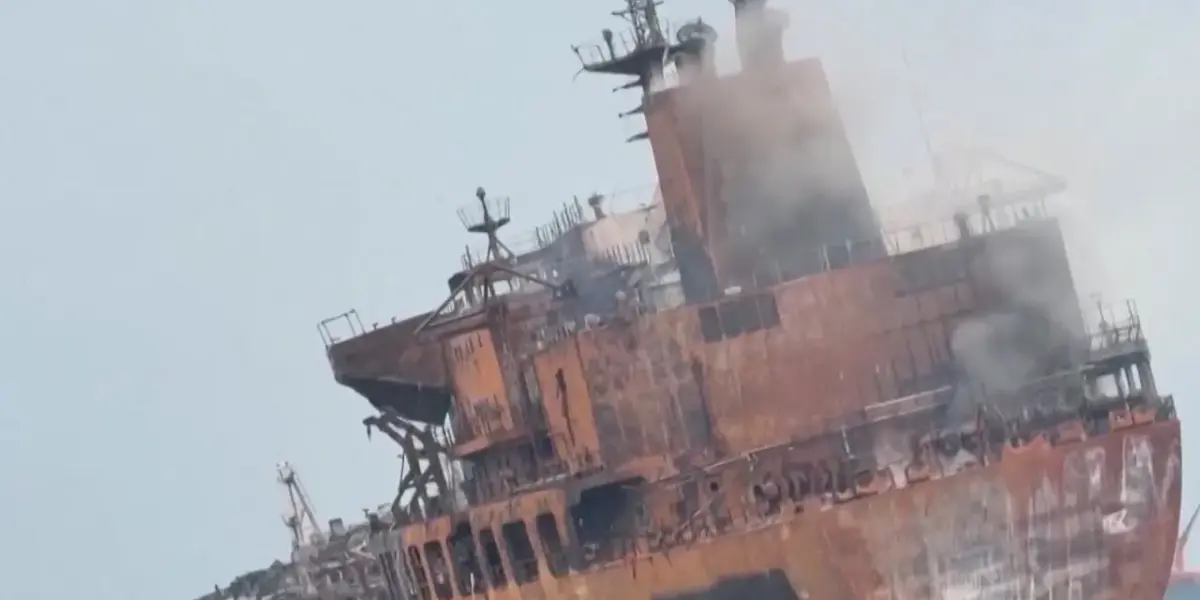
A new proposal aims to prevent a wider conflict between the U.S. and Iran. This plan could reopen a vital shipping lane and ease a looming energy crisis in Europe. Pakistan has put forward a two-part deal. It offers Iran a temporary ceasefire. In return, Iran would reopen the Strait of Hormuz. The second part of the deal would work towards a bigger agreement. This would involve lifting sanctions on Iran. It would also require Iran to stop its nuclear ambitions.
Iran’s Foreign Ministry has confirmed receiving these proposals. They are now considering their response. This diplomatic push is happening at the last minute. It seeks to give both the U.S. and Iran a way to avoid further escalation. The Strait of Hormuz is at the center of this situation. It is a narrow waterway between Iran and the Arabian Peninsula. About a fifth of the world’s oil passes through it. Iranian diplomats have indicated they see reopening the Strait as a valuable bargaining chip. They want a temporary ceasefire in exchange.
Europe Faces Energy Crisis
This effort to reopen the Strait is urgent. Energy officials from the International Energy Agency (IEA) warn of an energy crisis. They say Europe could face serious shortages in just a few weeks. The conflict and potential disruptions in the region threaten oil and gas supplies. Reopening the Strait of Hormuz is seen as critical to preventing this crisis.
Israel Continues Pressure on Iran
Meanwhile, Israel remains focused on pressuring Iran. Recent actions have targeted top Iranian leaders. The Israeli Defense Forces (IDF) reported eliminating the intelligence chief of Iran’s Revolutionary Guards. This individual was reportedly new to the job, having taken over only a few weeks ago. His predecessor was also eliminated previously. Iran has responded with retaliatory attacks. These have occurred throughout the region, particularly in Israel.
Residents in Tel Aviv experienced a tense night. In Haifa, there were significant impacts from attacks. Rescue crews were seen searching through rubble. Reports indicate at least four people were killed in Haifa due to these strikes. This ongoing cycle of attacks and counter-attacks highlights the volatile situation.
Understanding the Motivations
United States
The U.S. has been pushing Iran to stop its nuclear program. It also wants Iran to reduce its influence in the region. President Trump has threatened further action against Iran. This includes potential attacks on Iranian power plants and bridges. He linked this threat to Iran’s actions regarding the Strait of Hormuz. The U.S. wants stability in global energy markets and to counter Iranian aggression.
Iran
Iran views the Strait of Hormuz as a key strategic asset. It uses its control over the waterway to exert influence. Iran is also under heavy sanctions from the U.S. These sanctions have hurt its economy. Iran wants these sanctions lifted. The proposed deal offers a path to sanctions relief in exchange for changes in its behavior and nuclear program. It also sees the ceasefire as a way to de-escalate tensions.
Pakistan
Pakistan, as the mediator, has a strong interest in regional stability. Its own economy is fragile. Instability in Iran and the Persian Gulf can disrupt trade and energy flows. Pakistan also has historical ties and a complex relationship with both Iran and the U.S. Offering a diplomatic solution helps Pakistan position itself as a regional peacemaker.
Europe
Europe is facing an immediate energy crisis. Many European countries rely heavily on imported oil and gas. Disruptions through the Strait of Hormuz directly threaten these supplies. The proposed ceasefire and reopening of the Strait are crucial for European energy security and economic stability.
Israel
Israel views Iran as a primary security threat. It has repeatedly targeted Iranian assets and personnel in the region. Israel wants to prevent Iran from developing nuclear weapons and expanding its military reach. The recent strikes are part of this long-term strategy to counter Iranian influence.
Global Impact: Why This Reshapes the World Order
This proposed deal, if successful, could significantly alter the geopolitical balance in the Middle East. The Strait of Hormuz is a critical global chokepoint. Any disruption there has immediate worldwide economic consequences. Reopening it would stabilize oil prices and ensure energy supplies for Europe and beyond. It could also signal a de-escalation of tensions between the U.S. and Iran, potentially reducing the risk of a wider regional war.
Historically, the U.S. has sought to ensure freedom of navigation in the Strait. Iran has often used its position to challenge U.S. influence. This proposal represents a potential shift, where both sides might find mutual benefit in de-escalation and economic stability over confrontation. The success of this deal hinges on trust and the willingness of both Iran and the U.S. to compromise.
Future Scenarios
Scenario 1: Deal Succeeds. Both sides agree to the ceasefire and reopening of the Strait. This leads to gradual talks on broader issues, including sanctions and Iran’s nuclear program. Europe’s energy crisis is averted. This is a positive but potentially fragile outcome.
Scenario 2: Partial Agreement. Iran agrees to reopen the Strait for a temporary ceasefire, but broader talks stall. This provides short-term relief but leaves underlying tensions unresolved. The risk of future conflict remains high.
Scenario 3: Deal Fails. Iran rejects the proposal or the U.S. does not accept Iran’s terms. Tensions escalate. President Trump’s threats of further action against Iran could be carried out. This risks a wider regional conflict and severe economic fallout, including a major energy crisis.
The current situation shows a complex interplay of national interests, economic pressures, and security concerns. The outcome will depend on the decisions made in the coming days by leaders in Washington and Tehran, with significant implications for global stability.
Source: US, Iran given ceasefire proposal to reopen Strait of Hormuz: Reports | Morning in America (YouTube)

Related Articles

Trump Threatens Iran’s Infrastructure in Hormuz Standoff
President Trump has threatened to cripple Iran's infrastructure, including bridges and its power grid, if it continues to harass shipping in the Strait of Hormuz. Former Congressman Bob McEwen explained this strategy aims to force Iran to negotiate by severely damaging its operational capacity. The discussion also addressed the potential for such actions to be considered war crimes, with McEwen distinguishing between infrastructure attacks and the targeting of civilians.

Trump’s Rhetoric and Health Concerns Fuel Global Unease
Recent public appearances by Donald Trump have fueled concerns about his health and the aggressive nature of his rhetoric. His threats towards Iran, coupled with puzzling public statements and a focus on unusual topics, raise significant questions about his fitness for office and the potential impact on global stability and domestic policy.
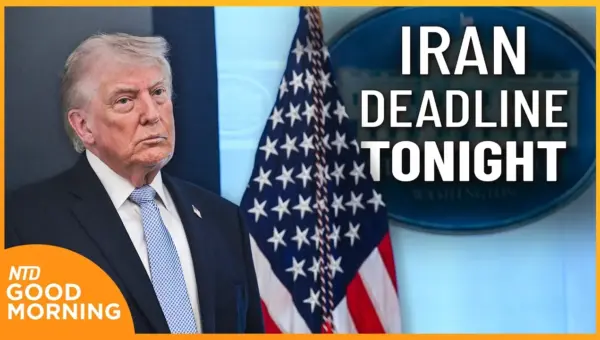
Trump’s Iran Threat Looms as Artemis II Reaches New Space Heights
Former President Trump issued a stern warning to Iran regarding a potential deal, while the Artemis II mission achieved a new distance record in space. The Education Department also announced it is rescinding Title IX agreements related to gender identity policies.