Pakistan Offers Iran-US Ceasefire Deal Amid Tense Standoff
Pakistan, with help from Egypt and Turkey, has proposed a two-tiered ceasefire plan for Iran and the U.S. The deal aims for an immediate halt to fighting, followed by a comprehensive agreement. However, sources indicate Iran may reject the offer due to past experiences, and chances for a quick deal remain slim amid deep divisions.

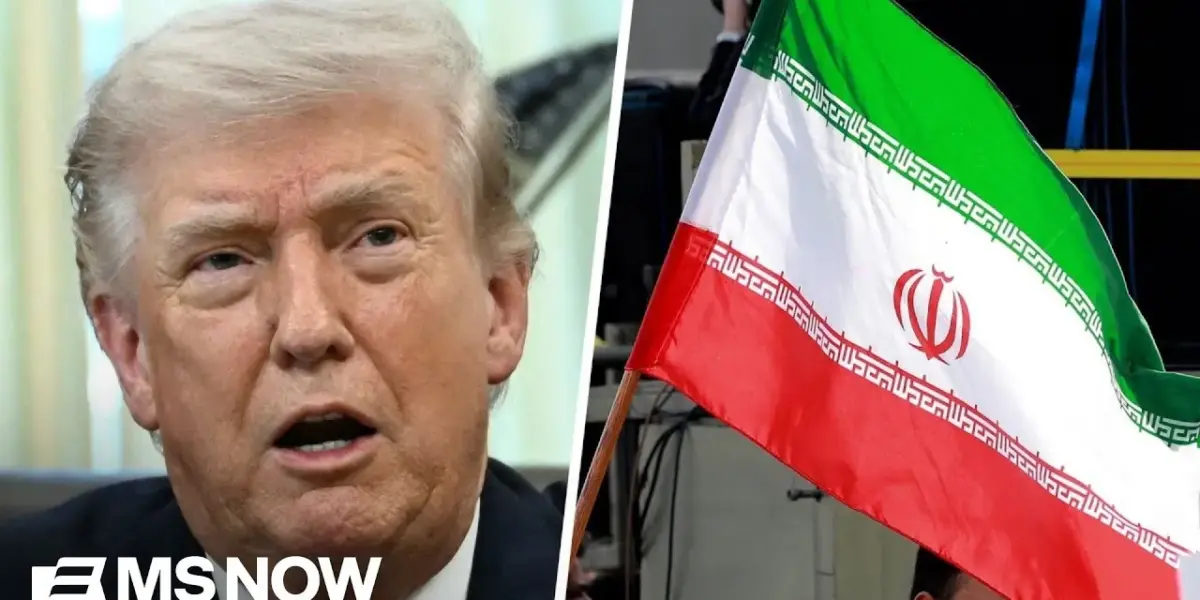
Pakistan Proposes Ceasefire Framework for Iran and U.S.
A Pakistani government official revealed that Pakistan, with assistance from Egypt and Turkey, has developed a plan to end hostilities between Iran and the United States. This proposal was shared with both nations overnight after extensive discussions. The plan involves a two-part strategy: an immediate ceasefire followed by a more comprehensive agreement. While no firm deadline exists, the urgency is heightened by public statements from President Trump, aiming for an affirmation soon.
Doubts Cast on Iran’s Acceptance of Proposal
However, a diplomat familiar with recent negotiations with Iran expressed skepticism. This source believes the Iranian foreign minister is likely to reject the offer. The primary reason cited is Iran’s past experiences, which suggest that temporary ceasefires have not proven effective. This historical perspective casts a shadow over the immediate prospects of the proposed deal.
Details of the Proposed Deal Emerge
According to sources cited by Axios, the initial phase of the proposed deal involves a 45-day halt in fighting. This period is intended to create space for working towards a lasting end to the conflict. The framework also aims to address critical issues such as the Strait of Hormuz and Iran’s highly enriched uranium program. Despite these efforts, the chances of reaching even a partial agreement in the next 48 hours are considered slim, as both sides remain significantly divided.
Challenges to Rational Negotiation
The complex nature of the situation is further highlighted by observations that rational actors are needed for any agreement. Some analysts question whether Iran can be considered a rational actor in this context, suggesting their aims might be extreme. This perspective implies that proposals, even well-intentioned ones, could repeatedly fail due to existing damage and entrenched positions. There are also questions raised about the rationality of actors within Washington, indicating internal complexities that could hinder progress.
Diplomatic Efforts and Lingering Skepticism
A flurry of diplomatic activity is underway, involving regional neighbors who have been trying to mediate. However, the prevailing sentiment, as reported by Axios and others, is one of cautiousness. Despite ongoing talks, there is not a great deal of optimism. This lack of hope persists even as a deadline, which has shifted from Monday night to Tuesday, approaches. The situation remains volatile, with recent events underscoring Iran’s continued military capabilities.
Iran’s Demonstrated Military Strength
Over the weekend, Iran demonstrated its ability to defend itself by shooting down not only a fighter jet but also helicopters involved in rescue operations. This event occurred while the U.S. was attempting to retrieve downed airmen. Simultaneously, Secretary Pompeo took the unusual step of firing top Army generals, including the Chief of Staff, during a time of conflict. These actions suggest internal purges are occurring amidst the external crisis.
Concerns Over Escalation and Civilian Impact
President Trump’s recent public statements are seen as deeply insulting and risk further inflaming the situation. A threat to target civilian sites, including energy infrastructure and bridges, is viewed not just as a war cry but as a potential catalyst for broader conflict. Such actions could alienate the Iranian population, who may be seeking help, and push them further against the U.S. This could lead to a failed state, a refugee crisis, and harden public opinion against America, even among those who oppose the current regime.
Iran’s Resilience and Strategic Position
Despite the weakening effects of the conflict, Iran has shown remarkable resilience. Intelligence sources suggest Iran is far more resilient than the Trump administration believes, with hidden equipment and a determined population. Their ability to shoot down advanced U.S. warplanes and threaten rescue operations highlights their ongoing capacity to fight. This resilience is fueled by years of planning and a strong ideological conviction.
The Strait of Hormuz: A Key Leverage Point
A significant concern remains Iran’s control over the Strait of Hormuz. This strategic waterway is a crucial chokepoint for global oil supplies, giving Iran considerable leverage. There is no indication that Iran intends to relax its grip on this vital passage without diplomatic progress. The fear is that any action that turns the Iranian population against the U.S. could be counterproductive, potentially transforming a population seeking change into one that resents America.
Diplomatic Avenues and Future Outlook
Amidst the escalating tensions, various diplomatic channels are being explored. Former Iranian Foreign Minister Javad Zarif recently published a detailed peace proposal in Foreign Affairs. This proposal reportedly addresses concerns from the U.S. and its allies. As a Tuesday deadline approaches, the world watches to see if these diplomatic efforts will lead to negotiations or if the situation will devolve into further military action.
Source: Iran and U.S. receive draft proposal for a ceasefire: Report (YouTube)

Related Articles


Trump Threatens Iran’s Infrastructure in Hormuz Standoff
President Trump has threatened to cripple Iran's infrastructure, including bridges and its power grid, if it continues to harass shipping in the Strait of Hormuz. Former Congressman Bob McEwen explained this strategy aims to force Iran to negotiate by severely damaging its operational capacity. The discussion also addressed the potential for such actions to be considered war crimes, with McEwen distinguishing between infrastructure attacks and the targeting of civilians.

Trump’s Rhetoric and Health Concerns Fuel Global Unease
Recent public appearances by Donald Trump have fueled concerns about his health and the aggressive nature of his rhetoric. His threats towards Iran, coupled with puzzling public statements and a focus on unusual topics, raise significant questions about his fitness for office and the potential impact on global stability and domestic policy.

Trump’s Iran Threat Looms as Artemis II Reaches New Space Heights
Former President Trump issued a stern warning to Iran regarding a potential deal, while the Artemis II mission achieved a new distance record in space. The Education Department also announced it is rescinding Title IX agreements related to gender identity policies.