Orban Faces Major Election Challenge Amidst Opposition Surge
Hungary is heading to the polls in a critical election where long-serving leader Viktor Orban faces his toughest challenge yet from opposition rival Peter Magyar. Magyar's Tisza party is surging in polls, promising an end to corruption and economic reform, while Orban's traditional tactics appear to be faltering.

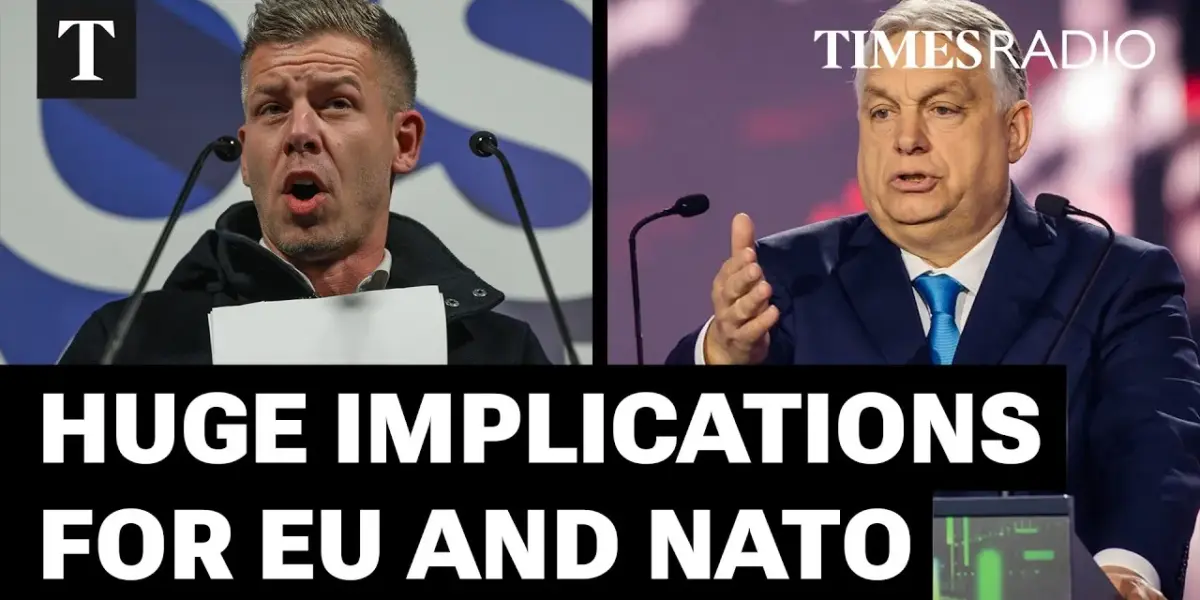
Hungary on the Brink: Orban Faces Toughest Election Yet
Hungarians are preparing to vote, deciding the political future of Europe’s longest-serving leader, Viktor Orban. Polls currently show Orban trailing his main rival, Peter Magyar. A visit from U.S. Vice President JD Vance is expected to support Orban’s campaign in the final days before the election.
The Rise of Peter Magyar and Tisza Party
Peter Magyar, a former insider within Orban’s Fides party, has emerged as a significant challenger. He is the ex-husband of former Justice Minister Judit Varga. Magyar entered the public spotlight two years ago following a major scandal involving a presidential pardon of a pedophile accomplice, which Varga had co-signed. This event led to the resignation of President Katalin Novák and Varga’s withdrawal from public life. It also fueled the rapid rise of Magyar and his party, Tisza, which means “Respect and Freedom.” The name also references one of Hungary’s main rivers. Since then, the traditional left-liberal opposition has largely faded.
Magyar’s Platform: Change and Economic Hope
Magyar is offering voters a promise of change. He is campaigning on an end to widespread corruption and a return to economic growth. He also aims to reduce the climate of fear that has reportedly affected some areas of Hungarian life, stemming from pressure by the state and Fides party. Importantly, Magyar is also using language similar to Fides on key issues like migration and national sovereignty. This approach allows him to attract conservative voters who were not reached by previous opposition parties. He is directly challenging Orban on everyday issues, focusing on the state’s functionality and the severe cost of living crisis affecting Hungarians.
Foreign Policy: Ukraine and EU Relations
Foreign policy is a major point of contention. Orban has accused Magyar of being a puppet of Brussels and Ukraine, suggesting he would drag Hungary into the war. Magyar, however, has focused his campaign on domestic issues. He has carefully navigated foreign policy, promising to normalize Hungary’s relationships with the European Union and NATO. Hungary is currently viewed as a pariah in both organizations, which is a source of embarrassment for many Hungarians. Magyar seeks to unblock significant EU funds currently frozen due to rule of law concerns. He has also been cautious regarding Ukraine, not pledging unconditional support for future Ukrainian EU membership. Instead, he suggests such a decision should be made by a national referendum.
Election Dynamics and Orban’s Tactics
According to Susanna Fay, a program officer at the German Marshall Fund, Orban is facing his biggest electoral challenge since returning to power in 2010. The Tisza party has maintained a double-digit lead in most reliable polls. Fay notes that Orban’s usual tactics, including those related to democratic backsliding and propaganda, do not seem to be working effectively this time. The gap between Tisza and Fides is not closing; in fact, it appears to be widening.
Why Orban’s Tactics Are Failing
Fay suggests several reasons for this shift. Over the past two years, Peter Magyar has skillfully avoided being drawn into the government’s narratives. He has pursued his own agenda, building credibility with his base. Magyar has also invested heavily in creating a nationwide network of supporters, something past opposition parties failed to do. This positioning makes his party the clear alternative to Fides. In Hungary’s electoral system, this is advantageous, as the opposition can only defeat the governing party if votes are not split among multiple candidates in individual districts.
Potential Impact of a Magyar Victory
A victory for Peter Magyar could significantly alter Hungary’s standing in Europe. If Tisza secures a two-thirds majority, they could reform the system and remove Fides’ influence from captured institutions. This would allow for a more independent domestic and foreign policy. A more cooperative stance towards the EU would be expected, with less internal conflict. If Magyar wins a simple majority, his attention would likely be divided between domestic reforms and fighting Fides’ embedded personnel in key institutions. This could slow down the transition process, but he would still likely be a more cooperative partner on the European stage. Regarding Ukraine, a Magyar government would likely adopt a more supportive stance towards joint European actions. However, he is not seen as a pro-Ukrainian politician and would prioritize resolving bilateral issues. He would likely oppose military support for Ukraine and seek to keep Hungary out of the conflict, while avoiding using bilateral disputes to undermine Kyiv’s position.
Looking Ahead
The upcoming election in Hungary carries significant implications for the European Union and the region. As the results begin to come in next week, the focus will be on whether Orban can overcome this substantial challenge and how a potential shift in power could reshape Hungary’s domestic and international policies.
Source: Viktor Orban Battles One Of The Biggest Election Threats Of His Political Career | Alex Faludy (YouTube)

Related Articles

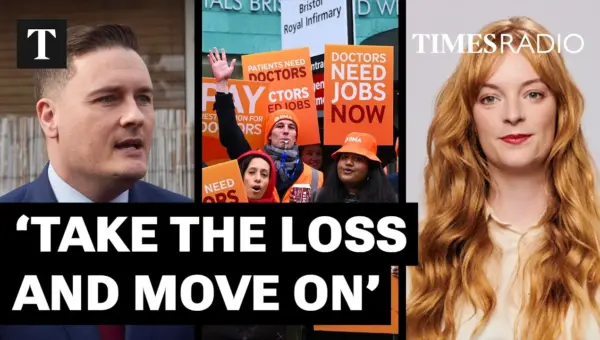
Doctors Strike Over Pay, AI Sparks Job Debate, Hungary Woos MAGA
UK resident doctors continue their strike over pay, impacting patient care and costing the NHS millions daily. Meanwhile, a debate emerges on whether society has passed its 'golden age,' with AI's rise prompting discussions about a four-day work week and the future of jobs. In international politics, U.S. Vice President JD Vance's visit to Hungary highlights the growing alliance between Viktor Orbán and the MAGA movement.

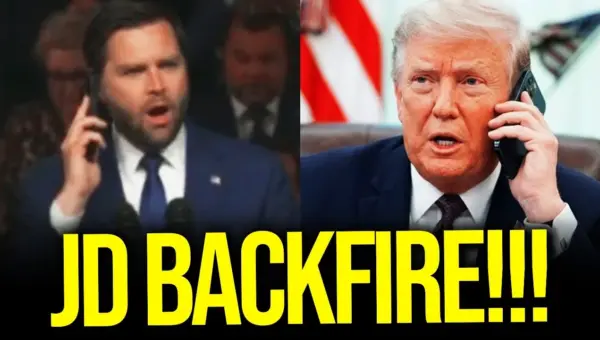
Trump’s Cold Shoulder: Vance Stumbles on Global Stage
Senator JD Vance faced public embarrassment during a trip to Hungary, appearing uninformed on U.S. actions against Iran and unable to reach Donald Trump by phone. The incident highlights communication breakdowns and raises questions about Vance's diplomatic effectiveness.
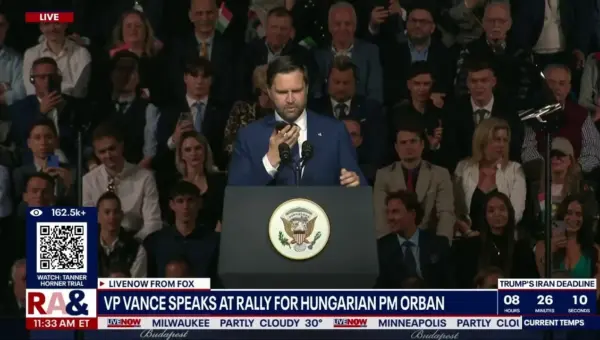
VP Vance Praises Hungary, Criticizes EU Bureaucrats
U.S. Vice President Vance spoke to thousands in Budapest, strongly endorsing Hungarian Prime Minister Viktor Orbán and his policies. Vance criticized European Union bureaucrats, championing national sovereignty and traditional values while contrasting them with what he called a "far-left ideology." The speech highlighted a shared political vision between the two nations.