Trump’s Iran Threats Spark Global Concern: Diplomacy Urged
President Trump's escalating threats against Iran, including a vulgar social media warning, are causing global concern. While the US president claims deep negotiations are underway, European leaders and analysts stress that diplomacy is the only viable path forward, urging a pause to allow talks to proceed. The situation is complicated by Iran's surprising resilience and potential shifts in economic power.

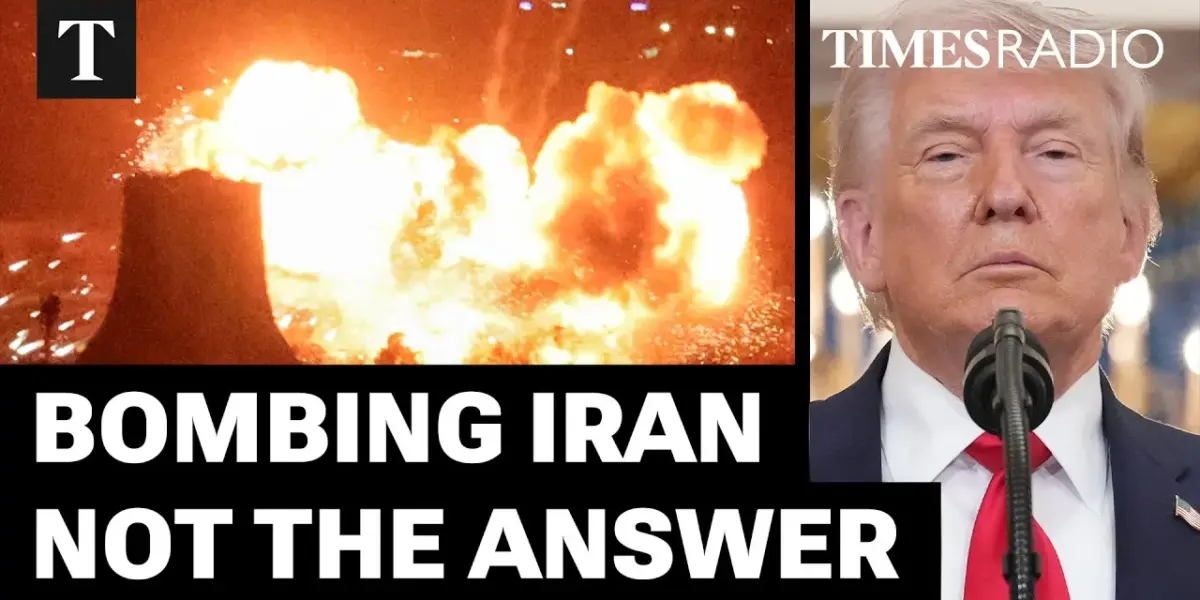
Trump Issues Stark Warning to Iran Amidst Diplomatic Push
President Donald Trump has issued a dramatic ultimatum to Iran, threatening to “blow up everything over there” if a deal is not reached by a looming Tuesday deadline. This aggressive rhetoric, amplified by a vulgar social media post on Easter Sunday, has sent ripples of concern through global capitals and raised questions about the US strategy towards Tehran. While Trump claims deep negotiations are underway, European leaders and international analysts are emphasizing diplomacy as the only viable path forward, rejecting the idea of military action that could plunge the region into further chaos.
Conflicting Messages Create Global Instability
Michael Bociurkiw, a senior fellow at the Atlantic Council, highlighted the damaging effect of Trump’s contradictory messages. “Constantly contradictory messages” make it extremely difficult for allies in London, Paris, and Brussels to understand US intentions. This uncertainty also creates instability in global markets, as predicting US strategy becomes nearly impossible. Bociurkiw noted the stark contrast between Trump’s claims of US air superiority and Iran’s demonstrated ability to strike at Gulf countries and down advanced US fighter jets, further complicating the assessment of the situation.
Diplomacy Remains the Preferred Path
Despite the escalating threats, European leaders have consistently stated that diplomacy, not military force, is the key to resolving the current tensions. “Every single European leader that has spoken out on this has said it’s really diplomacy that is going to get us out of this mess, not bombing Iran back into the stone ages,” Bociurkiw stated. This sentiment underscores a global desire to avoid further conflict and find a peaceful resolution through negotiation.
Potential Ceasefire Talks Underway
Sources in the US, Israel, and the region suggest that a potential 45-day ceasefire is being discussed. Bociurkiw himself was heading to Oman, a known intermediary between the US and Iran, to gain a clearer understanding of ongoing talks. He indicated that any communications between Washington and Tehran are likely proceeding through trusted third parties. The involvement of intermediaries like Oman is seen as crucial for navigating the complex diplomatic landscape and fostering dialogue.
Iran’s Resilience and Shifting Economic Power
Contrary to expectations, Iran appears to have maintained significant military capabilities and developed a potent economic lever. The country has allowed friendly nations to transit the Strait of Hormuz while bypassing the US dollar and the international SWIFT payment system, opting instead for currencies like the Chinese Yuan. This shift could lead to a long-term alteration in power dynamics within the region. Analysts suggest the US may have underestimated Iran’s resilience and its ability to withstand military pressure, as well as its strategic alliances.
Broader Geopolitical Implications
The focus on the Middle East has led to the redeployment of crucial US military assets from North Asia to the region. This has created anxieties in Asia, potentially emboldening China to assert its claims in the South China Sea and advance plans regarding Taiwan. Furthermore, the removal of missile defense systems from South Korea could incentivize North Korea to create further instability. Bociurkiw warned that even if current negotiations resolve the immediate conflict, Iran could emerge economically stronger, contributing to a long-term shift favoring Chinese currency in global oil transactions.
Concerns Over International Law and Escalation
The targeting of key infrastructure, such as power plants and desalination facilities, raises serious questions about potential violations of international law, which classifies such actions as war crimes. There are also concerns that Trump, having deployed significant military assets, may feel compelled to use them, potentially leading to a major US military move, possibly including boots on the ground. Such an escalation would be disastrous for the United States and its allies.
The Role of Allies and Future Outlook
The article emphasizes the need for allies to pressure the United States to pause and allow diplomatic talks to continue. The situation remains fluid, with evolving deadlines and increasingly aggressive language from the US president. The successful rescue of downed airmen, while a tactical success, is also seen as providing propaganda value that could encourage further aggressive ambitions. The coming days will be critical in determining whether diplomacy prevails or if tensions escalate further, with significant consequences for regional and global stability.
Source: Bombing Iran “Back Into The Stone Ages” Won’t End War | Michael Bociurkiw (YouTube)

Related Articles

Iran Strikes Saudi Oil Hub, Threatening Global Energy
Iran's successful ballistic missile strike on Saudi Arabia's Jubail petrochemical complex exposes the vulnerability of global energy supplies. The attack threatens millions of barrels of oil and refined products, potentially causing price spikes and economic instability worldwide. This escalation signals a dangerous new phase in regional power dynamics.

25th Amendment Calls: Can JD Vance Act Against Trump?
Searches for the 25th Amendment are spiking as public figures and citizens demand action regarding Donald Trump's behavior. The process hinges on Vice President JD Vance, who must secure support from Congress or the Cabinet to initiate removal. This analysis explores the challenges and potential future actions, including congressional hearings if Democrats regain control.

Fox News Hosts Falter as Trump’s Iran Stance Backfires
Fox News personalities appeared flustered and divided as Donald Trump's aggressive stance on Iran faced rejection and criticism. The segment highlighted conflicting narratives, blame-shifting, and defenses of Trump's image amidst international tensions.