Millions Vanish: UK’s Biggest Ponzi Scheme Exposed
Britain's largest ever Ponzi scheme, London Capital and Finance (LCF), defrauded over 11,000 people, mostly pensioners, of nearly £237 million. Despite early warnings, regulatory inaction allowed the fraud to flourish, leaving victims with devastating financial and emotional losses.

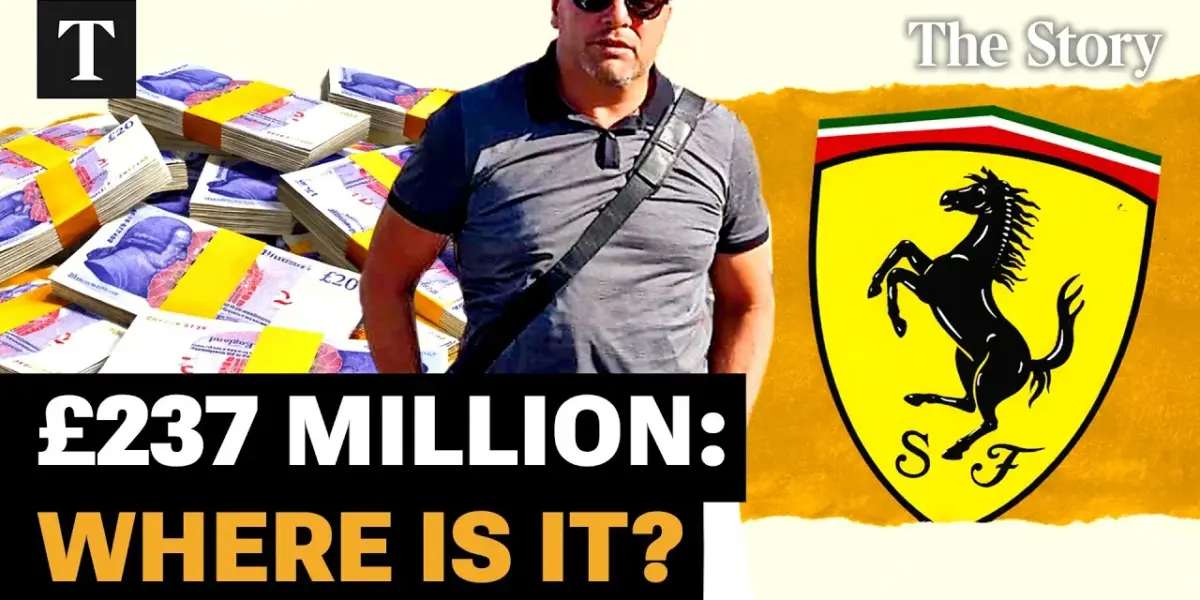
Millions Vanish: UK’s Biggest Ponzi Scheme Exposed
In the picturesque English countryside of Sussex and Kent, a grand estate known as Home Farm once stood as a symbol of lavish wealth. Today, it lies in ruins, a stark reminder of a colossal financial fraud that defrauded over 11,000 people, many of them pensioners, of nearly £237 million. This is the story of London Capital and Finance (LCF), Britain’s largest ever Ponzi scheme.
A Glimpse of Faded Grandeur
Jim Armitage, a contributing editor at The Sunday Times, described the once magnificent Home Farm as a grim scene of faded grandeur. Collapsing swimming pools, crumbling stables, and a general air of decay now mark the property. This stands in stark contrast to its past, when Home Farm was the backdrop for glamorous parties, a fleet of luxury cars, and a helipad that welcomed helicopters under the night sky. The owner, Spencer Golding, lived a life of opulence, funded by a scheme that would ultimately ruin thousands.
The Architects of Deception
Spencer Golding, a man described as having a checkered past and built like a wrestler, partnered with Simon Hume Kendall, an expensively educated city figure whose own businesses had a history of failure. Together, they sought ways to raise money for their ventures, which initially included developing luxury resorts in the Caribbean and renovating a holiday park in Cornwall. Their solution was to create a “mini bond” investment scheme.
Exploiting a Financial Gap
In the years following the 2008 financial crisis, it was difficult for smaller companies to get loans from banks. This created an opportunity for schemes like LCF. Mini bonds allowed the public, particularly older individuals and pensioners, to invest in high-risk companies. LCF was marketed as a company investing in fast-growing small and medium-sized businesses in the South East of England, promising an attractive 8% interest rate – significantly higher than traditional savings accounts.
The Role of Paul Careless
The scheme’s exponential growth was fueled by entrepreneur Paul Careless, who specialized in using online advertising. By merging his marketing expertise with the low-interest-rate environment and the high promised returns of LCF’s mini bonds, a massive demand was created. Careless’s company flooded social media and search engines with advertisements. These ads often mimicked trusted comparison websites, placing LCF at the top with its 8% rate, making it appear on par with major banks like Barclays and Virgin, but with a much higher return.
A Classic Ponzi Scheme Unveiled
The reality behind LCF was far from its advertised promise. As a High Court judge later ruled, money invested by the public was funneled through complex shell companies and into the personal accounts of Golding, Hume Kendall, and Careless. Investors received their promised 8% interest, but this was not generated from successful business investments. Instead, it was paid for by the money from new investors – the hallmark of a Ponzi scheme. Millions were spent on luxury watches, jewelry, gold bars, yachts, and extravagant properties.
Regulatory Failure and Collapse
Despite numerous warnings to the Financial Conduct Authority (FCA) starting as early as 2015, the regulator took no significant action until late 2018. Concerns over potential shotgun possession by an executive reportedly delayed the FCA’s intervention. In December 2018, the FCA finally shut down LCF. Within weeks, the scheme imploded, leaving approximately 11,625 investors, predominantly elderly, with staggering losses.
The Devastating Impact on Investors
The collapse left victims in a state of shock and panic. Many had invested their entire life savings, expecting a secure retirement. For some, like Chloe Darra, compensation money intended for lifelong care after a severe car crash, amounting to £1.3 million, was lost. Antonia Summer, a retired primary school teacher, lost £160,000 of her savings after being convinced by a salesman to transfer her ISAs into LCF bonds, despite stating she was risk-averse.
Partial Recompense, No Full Justice
Following a scathing report on the FCA’s failings, the Treasury agreed to compensate victims up to £68,000 each from taxpayer funds. However, for the majority of investors who lost far more, this was only partial recompense. While a civil court found Golding liable for £180 million, the chances of him paying this amount are considered virtually zero. Hume Kendall settled out of court, denying wrongdoing, while Careless declared bankruptcy in Portugal. The Serious Fraud Office (SFO) launched an investigation, but seven years on, it remains ongoing, with many assets disappearing without a trace.
The Lingering Quest for Accountability
For the victims, the primary demand is accountability. Many have resigned themselves to not recovering the full extent of their lost savings. The slow pace of the SFO investigation and its patchy record on prosecutions leave many uncertain about whether true justice will ever be served. The LCF scandal has highlighted deep-seated issues in the prosecution of white-collar crime in the UK, leaving a lasting scar on the lives of those defrauded and raising questions about future investor protection.
Source: Where Did the £237 Million Go? (YouTube)

Related Articles
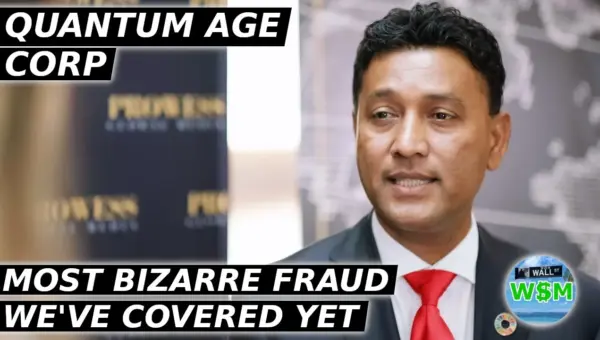
Fraudster Raised $26 Million on Fake Tech
A businessman allegedly raised over $26 million from investors for his company, Quantum Age Corporation, by making fraudulent claims about groundbreaking technologies. The SEC has filed civil charges, accusing the company of being a near-total fraud that used investor funds for personal expenses and a Ponzi scheme.


Trump’s Pardons: Critics Slam ‘Reckless’ Clemency Spree
Former President Donald Trump's administration issued controversial pardons and commutations, erasing over $1 billion in restitution to victims. Cases like David Gentile's financial fraud scheme highlight concerns about fairness and the "reckless use" of presidential power.

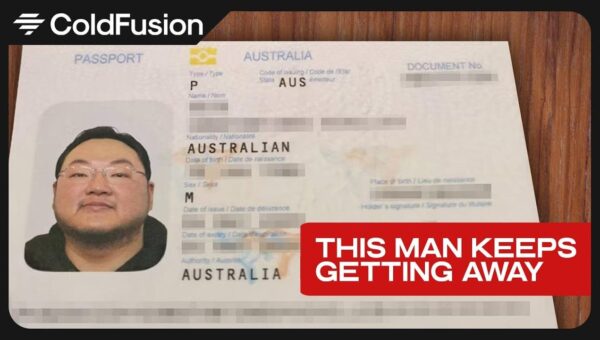
The Billion-Dollar Deception: How a Scammer Vanished
An in-depth look at the alleged $4.5 billion heist orchestrated by Malaysian businessman Jolo from the 1MDB sovereign wealth fund. The story details his lavish lifestyle, Hollywood connections, and the international investigation that exposed one of history's largest financial frauds.