Iran’s Strait of Hormuz Threat: A Looming Economic and Military Crisis
Iran's threats to control the Strait of Hormuz pose a significant risk to global trade and regional stability. Analyst Gerard Felitti discusses the geographical advantages Iran holds and outlines potential military and diplomatic responses. Achieving lasting peace may require a fundamental shift in Iran's ideology and government.

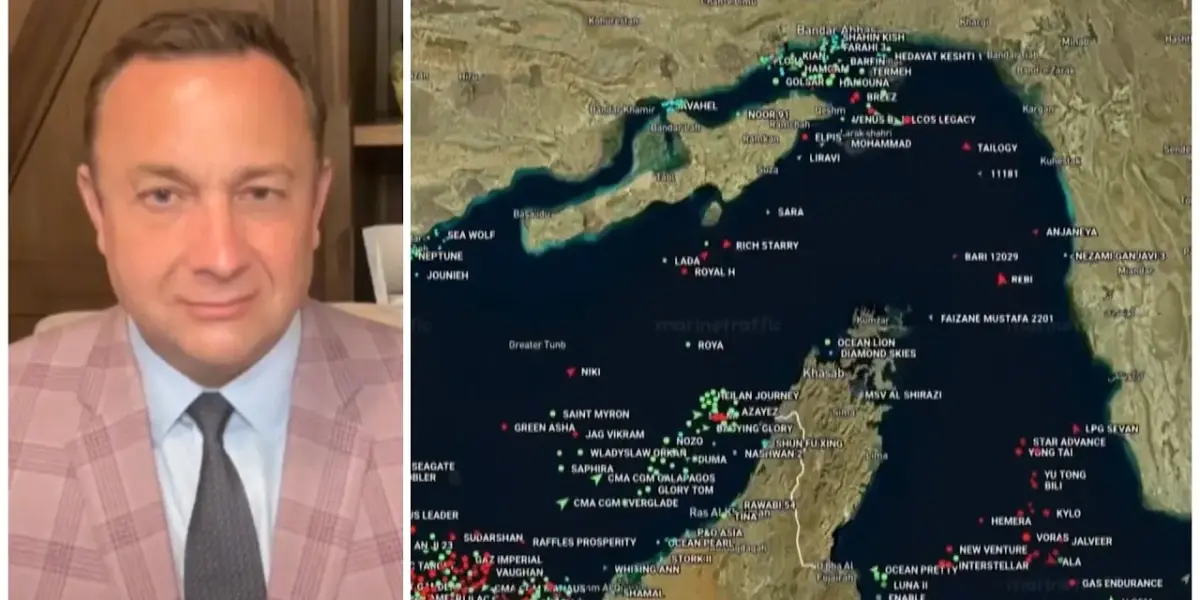
Iran’s Assertive Stance on Strait of Hormuz Signals Enduring Regional Tensions
Iran has signaled a significant intent to control the Strait of Hormuz, even after potential conflicts subside. This assertion raises serious concerns about global trade and regional stability. An analyst specializing in Middle East affairs and international law explains the gravity of Iran’s claims and the potential consequences.
The Strategic Importance of the Strait of Hormuz
The Strait of Hormuz is a narrow waterway, a critical chokepoint for international shipping, especially for oil exports. Iran’s ability to threaten this passage stems from its geographical advantage. The analyst points out Iran’s military assets, including missiles, rockets, drones, and drone ships positioned in key areas like Bandar Abbas and the island of Khark Qeshm. These, combined with historical tactics like laying mines, give Iran a credible means to disrupt traffic.
“The concern here is that if the state’s open only on Iranian terms, this will really negate the purpose of American intervention and mean that there will be a steady flow of revenue going into the terrorist regime in Iran, which will only prolong the conflict or their stranglehold on the region.”
This control, if imposed, could mean that ships can only pass with Iran’s permission, potentially involving a levy or fee. Such a scenario would directly fund Iran’s military activities, often referred to as the “war machine,” and prolong conflicts in the region. This directly undermines efforts by the United States and allied nations to ensure open international traffic, including vital oil exports.
Potential Responses to Iran’s Threats
Addressing Iran’s potential control over the Strait of Hormuz requires a multi-faceted approach. One option is military. This would involve stepping up airstrikes by U.S. forces on Iranian military assets. These targets would include drone facilities, rocket sites, and coastal defenses that enable Iran to threaten shipping lanes. Such actions aim to degrade Iran’s ability to project power and enforce its threats.
Alternatively, a diplomatic solution could resolve the issue. If a peace deal or agreement is reached with Iran, a key component would be Iran’s commitment to keeping the Strait open without imposing fees. This would be in exchange for a cessation of hostilities. This diplomatic path, however, relies on Iran’s willingness to negotiate in good faith and adhere to any agreements made.
Navigating Complex Diplomacy and Ideology
The analyst addresses the complexity of dealing with the Iranian regime, noting that while some elements might seek peace, the core ideology of the government remains a significant hurdle. Since the 1979 revolution, Iran has viewed America as an enemy, actively seeking its destruction. A true resolution, therefore, may require a fundamental shift in Iran’s ideology away from extremism and towards embracing human rights and international cooperation.
Recent statements from President Trump suggest ongoing talks with potentially more moderate factions within Iran. However, the analyst suggests that these factions may not possess the authority to finalize binding agreements, while the hardline regime’s objectives remain largely unchanged. This creates a challenging environment for meaningful negotiations.
The Ultimatum and the Risk of Escalation
With a deadline set by President Trump for Iran to open the Strait of Hormuz, the situation is tense. Iran’s threats are seen as a direct response to this ultimatum. The analyst predicts that if Iran does not engage in meaningful negotiations, the U.S. response could involve intensified bombing campaigns targeting Iran’s infrastructure. This includes oil production and manufacturing bases, many of which are controlled by the Islamic Revolutionary Guard Corps (IRGC) and used to finance military operations and terrorism.
“Ultimately if you want to have a lasting peace, you do need to have a different government in power with a different ideology, which can only happen if which can only happen if the people actually take to the streets and rise up with help, with support from America, Israel and potentially other countries.”
The Challenge of Lasting Peace
The core issue remains Iran’s long-standing ideology and its history of not adhering to agreements. Previous deals have not prevented Iran from continuing its support for terrorism and its hostile actions in the Middle East. Therefore, achieving lasting peace might necessitate a change in Iran’s government and its underlying ideology. This could potentially be driven by internal popular uprisings, possibly with international support.
In the absence of such a change, any agreement reached would require continuous monitoring and a readiness for intervention by international forces. The goal would be to ensure Iran upholds its end of the bargain, potentially leading to further interventions until conditions are favorable for a lasting ideological shift. The situation highlights the deep-seated challenges in achieving stability in the region and the complex interplay of military, diplomatic, and ideological factors.
Source: Iran Could Effectively Threaten Closure of the Strait of Hormuz, Even After War: Middle East Analyst (YouTube)

Related Articles

Trump’s Iran War Panic Fuels Escalation Fears
President Trump's aggressive rhetoric towards Iran signals desperation and a potential for massive escalation. Experts fear a breakdown in military-civilian communication and warn of a looming humanitarian catastrophe. A peaceful resolution seems distant as strategic options narrow.

Ukraine Strikes Russian Oil Ports, Crippling Exports
Ukraine's targeted strikes on Russian oil export terminals are crippling its war machine and reducing vital revenue. Retired General David Petraeus highlights Ukraine's advanced drone technology and its growing role as a global defense innovator.

Trump Threatens Iran’s Infrastructure in Hormuz Standoff
President Trump has threatened to cripple Iran's infrastructure, including bridges and its power grid, if it continues to harass shipping in the Strait of Hormuz. Former Congressman Bob McEwen explained this strategy aims to force Iran to negotiate by severely damaging its operational capacity. The discussion also addressed the potential for such actions to be considered war crimes, with McEwen distinguishing between infrastructure attacks and the targeting of civilians.