GOP Rebels Block Trump’s Election Order
Republican election officials and legal experts are challenging Donald Trump's executive order aimed at controlling mail-in voting. Critics argue the order is an unconstitutional power grab that oversteps federal authority, with lawsuits already filed to block it. The situation highlights divisions within the GOP and raises concerns about the future of election administration.

GOP Rebels Block Trump’s Election Order
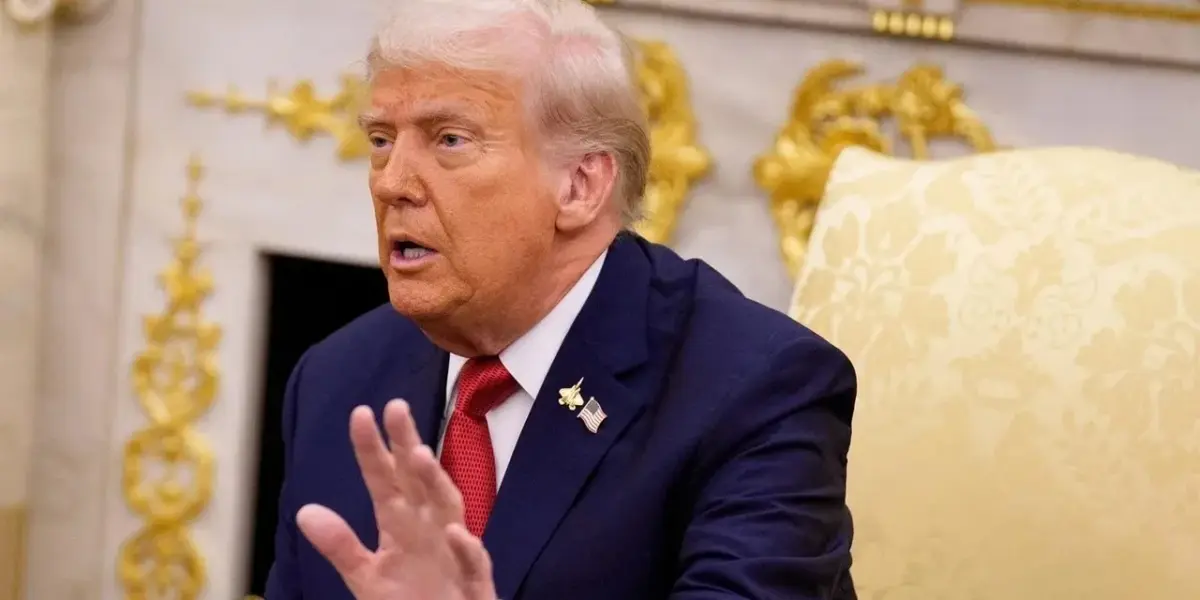
Donald Trump’s attempt to control election rules through an executive order has hit a major roadblock, not from Democrats, but from within his own Republican party. This move, seen by critics as an illegal power grab, aims to undermine mail-in voting and create a federal system for determining who can vote. However, Republican election officials and legal experts are pushing back, arguing it’s unconstitutional and an overreach of presidential power.
States Stand Firm on Election Control
States like Pennsylvania and Arizona are confident in their existing election systems. Pennsylvania’s Republican Secretary of State, Ash Schmidt, stated that while the courts will likely strike down Trump’s order, the confusion it creates is a primary concern. “We want voters to know that the election is going to be free, fair, safe, and secure, and that everyone knows what the rules are prior to going into this,” Schmidt explained. Arizona, for example, already has measures like documented proof of citizenship and a mail-in voter list, along with trackable ballots, that align with some of Trump’s stated goals but are managed at the state level.
Stephen R. Ricker, a former Maricopa County official, agreed that the order’s form matters, even if some of its ideas have merit. He believes the order will be quickly blocked by courts, comparing it to something that would be enjoined almost instantly. This confidence stems from the fact that election administration is largely a state responsibility, not a federal one.
Legal Challenges Mount Against the Order
Mark Elias, founder of Democracy Docket, a legal news outlet focused on voting rights, was quick to file a lawsuit challenging the executive order. He argues the order is illegal and unconstitutional, calling it an “outrage” and a “power grab.” Elias emphasized that the president has no role in managing state elections, a fact previously affirmed by federal courts. “Donald Trump standing in the Oval Office and signing an executive order to try to effectively shut down vote by mail… is not going to survive first contact with federal courts,” Elias stated.
His firm filed the initial lawsuit within 24 hours of the order being signed. Since then, several other lawsuits have been filed by various groups, including a coalition of states, in federal courts. The legal consensus appears to be that Trump’s order will not withstand judicial scrutiny.
Republican Officials’ Divided Stance
While Elias is a vocal opponent, he believes many Republican election officials secretly agree with him. These officials, he suggests, want to run their own elections without federal interference. “These Republican election officials, they want to run their own elections. They don’t want Washington DC interfering,” Elias noted. He feels that even though these officials might privately dislike Trump’s order, they are often afraid to speak out against him, instead attacking those who challenge him in court, like Elias himself.
Elias described a lack of courage among many Republicans, who he believes are hiding from the challenge posed by Trump. He contrasts this with historical Republican support for states’ rights and federalism. “It is the Republicans who historically have been in favor of states rights and federalism who because it’s Donald Trump, they are just like hiding in the fetal position in the corner of their closets hoping that the that’ll all pass him by,” he said.
The Rationale Behind Attacking Mail-In Voting
Trump’s persistent efforts to eliminate or restrict mail-in voting, despite using it himself and its popularity among Republican voters in states like Utah, raise questions about his motives. Elias explained that Trump’s goal is not just to ban mail-in voting but to create a federal system that dictates who is eligible. This proposed system would involve a list, potentially based on Department of Homeland Security data, determining who can vote by mail. Critics worry this data is not entirely accurate and could lead to eligible citizens being wrongly flagged as non-citizens.
The order is seen as more dangerous than simply banning mail-in voting because it suggests the federal government could create lists of eligible voters. “It basically says you get to vote by mail if you’re on Donald Trump’s list of people who get to vote by mail,” Elias elaborated. He fears this could expand to in-person voting and other aspects of election administration, such as voter registration and equipment usage.
Concerns About the Future of Elections
Elias expressed deep concern about the increasing difficulty of winning every legal challenge. “It’s getting harder and harder to win all of the important cases to prevent big setbacks,” he admitted. He worries that even a single loss in a critical case could significantly harm democratic processes. The potential for Trump to dictate who can vote by mail, or even in person, based on federal lists is a major worry.
He highlighted that the fight is not just about mail-in voting but about fundamental aspects of democracy. “Donald Trump seizing ballots, Donald Trump creating lists of voters who are eligible to vote or not, Donald Trump deciding what voting equipment gets to be used… Donald Trump deciding whether you get to register or not,” Elias listed. He stressed the need for vigilance and for citizens to stay informed about these critical legal and political battles.
Why This Matters
This situation highlights a significant tension between federal authority and states’ rights in managing elections. Trump’s executive order represents an attempt to centralize control over voting processes, which has historically been a state-led endeavor. The strong pushback from both legal experts and some Republican officials underscores the belief that this move is unconstitutional and potentially damaging to the integrity of elections. The legal challenges moving forward will be crucial in defining the boundaries of presidential power and protecting the established election systems that Americans rely on.
Looking Ahead
The rapid pace of legal challenges suggests that the courts will address this executive order swiftly. The outcome will have implications for how future executive actions can influence election administration. Furthermore, the internal divisions within the Republican party regarding Trump’s approach to elections may become more apparent as these legal battles unfold. The broader trend suggests ongoing efforts to shape election laws and procedures, making voter awareness and engagement more critical than ever.
Source: REBELLION: Republicans strike FATAL BLOW against Trump (YouTube)

Related Articles

Trump’s Mail Voting Order May Backfire, Nevada Official Warns
Nevada's Secretary of State Cisco Aguilar is challenging former President Trump's executive order on mail-in voting, calling it unconstitutional and confusing. Aguilar argues states, not the President, control elections and that the order could disenfranchise voters, including Trump's own supporters. The order faces legal challenges over its impact on state election administration and local budgets.

Democrats Demand House Return to Vote on DHS Funding
House Democrats are demanding Speaker Mike Johnson reconvene Congress to vote on a bipartisan DHS funding bill, criticizing the current stalemate. Congresswoman Brittany Petterson highlighted concerns over escalating Iran tensions, economic impacts, and federal overreach in elections, while also condemning a recent Supreme Court ruling on conversion therapy.

GOP Exodus Signals Deep Trouble Ahead for Republicans
A record number of Republican lawmakers are quitting Congress, signaling deep internal struggles and potential electoral losses. This mass exodus, compared to historical downturns, suggests a party facing significant challenges in leadership and public trust.