NASA Reclaims Moon Lead, Ignites New Space Race
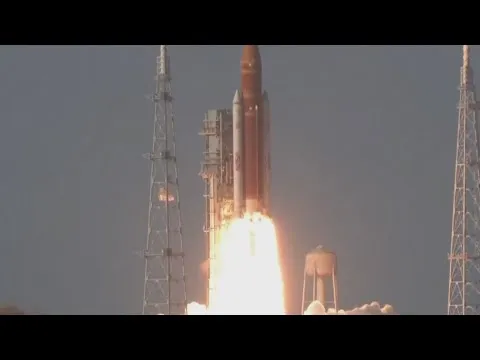
NASA's Artemis II mission marks humanity's return to the Moon after 50 years, entering lunar orbit and testing crucial systems. The crew celebrated Easter in space while overcoming technical challenges, inspiring a new generation of explorers. This mission is a key step towards establishing a permanent lunar presence.

NASA Reclaims Moon Lead, Ignites New Space Race
NASA’s Artemis II mission has reached a critical milestone, entering the Moon’s gravitational pull. This marks the first time humans have journeyed towards the Moon in over 50 years. It’s not just a single trip, but the beginning of a new era for space exploration. NASA plans to establish a sustained presence on the Moon, building a base for future missions. The Artemis II crew is now halfway to their destination, with plans to view the far side of the Moon and travel further into space than any human before.
The mission faced early challenges, particularly with the spacecraft’s toilet system. While the crew can use the toilet, a problem with the wastewater line persists. This is a complex engineering issue, especially when dealing with liquids in the vacuum of space. The astronauts also tested their orange spacesuits, designed to keep them alive for up to six days if the spacecraft loses power.
Easter Celebration in Space
Despite the technical challenges, the Artemis II crew celebrated Easter in space. They brought dehydrated treats, including Easter eggs, which they prepared by adding water. The astronauts described the experience as inspiring, even though the spacecraft is cramped and not a luxury cruise. Astronaut Glover shared a powerful message about humanity’s place in the universe, emphasizing the beauty and uniqueness of Earth.
Honoring a Canadian Pioneer
Canadian astronaut Jeremy Hansen was honored with official astronaut wings, a NASA tradition. His crewmates shared his story with children back on Earth, highlighting that dreams can come true with perseverance. Hansen’s journey is meant to inspire the next generation, showing that belief and dedication can overcome doubts.
Mission Timeline and Future Plans
The Artemis II crew is expected to begin observations of the Moon tomorrow afternoon. They will spend seven hours flying about 4,000 to 6,000 miles above the lunar surface. The mission is scheduled to splash down in the Pacific Ocean on Friday night. This mission is part of NASA’s larger strategy to build a permanent base on the Moon.
Global Impact
The Artemis II mission signifies a major step in humanity’s return to deep space exploration. It reasserts American leadership in space after decades where other nations have made significant advances. This renewed focus on lunar missions could spur further international cooperation, but also potentially intensify competition. The development of lunar bases could lead to new economic opportunities and technological advancements. It also offers a unique perspective on Earth, reminding us of our shared home and the importance of global unity.
Historical Context
This mission echoes the Apollo program, which first landed humans on the Moon in 1969. The Apollo missions were driven by Cold War competition, but they also united the world in awe. Artemis aims to build on that legacy, establishing a sustainable presence that Apollo only briefly touched. The success of Artemis II will pave the way for future missions, including sending astronauts back to the lunar surface and eventually to Mars.
Economic Considerations
While the transcript doesn’t detail specific economic factors like trade or sanctions, space exploration is a costly endeavor. Government funding for programs like Artemis is crucial. The development of new technologies for space travel often has spin-off benefits for Earth-based industries. The potential for future resource extraction or commercial activities on the Moon could also drive economic interest and investment.
Regional Dynamics and Power Balance
The Artemis program involves international partners, including the Canadian Space Agency and the European Space Agency. This collaborative approach helps share costs and expertise. However, it also occurs in a global landscape where nations like China are also pursuing ambitious lunar programs. The race to establish a lunar presence could become a new arena for geopolitical influence, with nations seeking to demonstrate technological prowess and secure strategic advantages.
Future Scenarios
One likely scenario is increased international collaboration on lunar exploration, building on the Artemis Accords. Another possibility is a renewed space race, with nations competing for dominance and resources on the Moon. A less likely scenario is a slowdown in lunar ambitions due to funding issues or technical setbacks. The success of Artemis II and subsequent missions will heavily influence which path is taken.
Source: Artemis II just hours away from reaching moon; astronauts share Easter message | NewsNation Prime (YouTube)

Related Articles
Artemis II Crew Nears Historic Moon Flyby
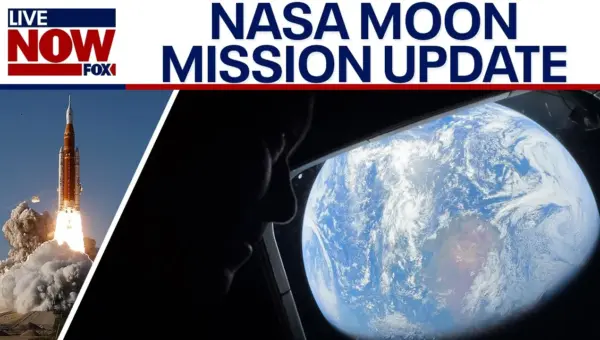
The Artemis II mission is nearing a historic lunar flyby, with astronauts preparing for the first trip around the Moon in over 50 years. NASA leaders detailed the crew's health, mission progress, and the scientific objectives for the upcoming lunar observations. The mission emphasizes human health studies and real-time collaboration between ground teams and the crew.

Artemis II Crew Nears Moon, Astronaut Honored for Historic Flight
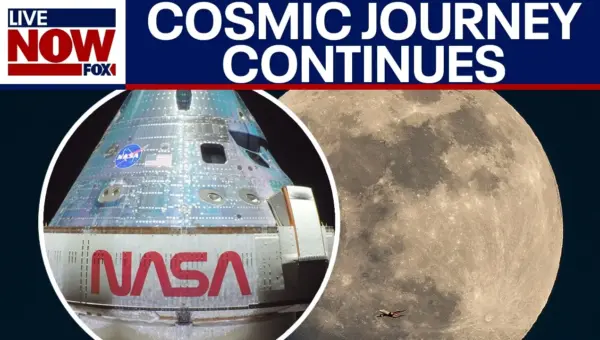
The Artemis II crew is nearing a historic lunar flyby, set to become the furthest humans from Earth. On their fifth flight day, astronaut Jeremy Hansen was honored with a gold pin for his first spaceflight, a tradition celebrating legacy. The mission continues NASA's ambitious Artemis program, aiming for future lunar landings and beyond.

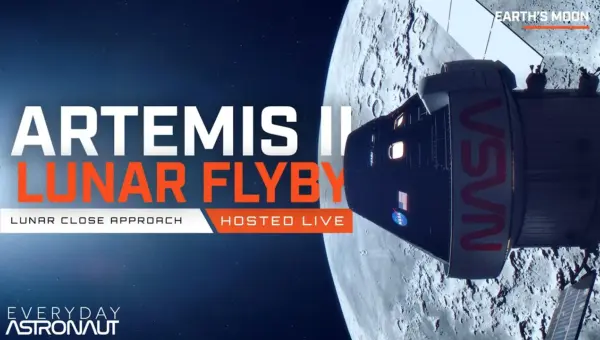
Artemis II Crew Soars Past Moon, Breaks Space Records
The Artemis II mission is breaking records as its four astronauts journey around the Moon. The crew has surpassed the Apollo 13 distance record and will perform a close lunar flyby. This mission marks a significant step in humanity's return to deep space exploration.