China’s Shadowy Reach: How the CCP Infiltrates America
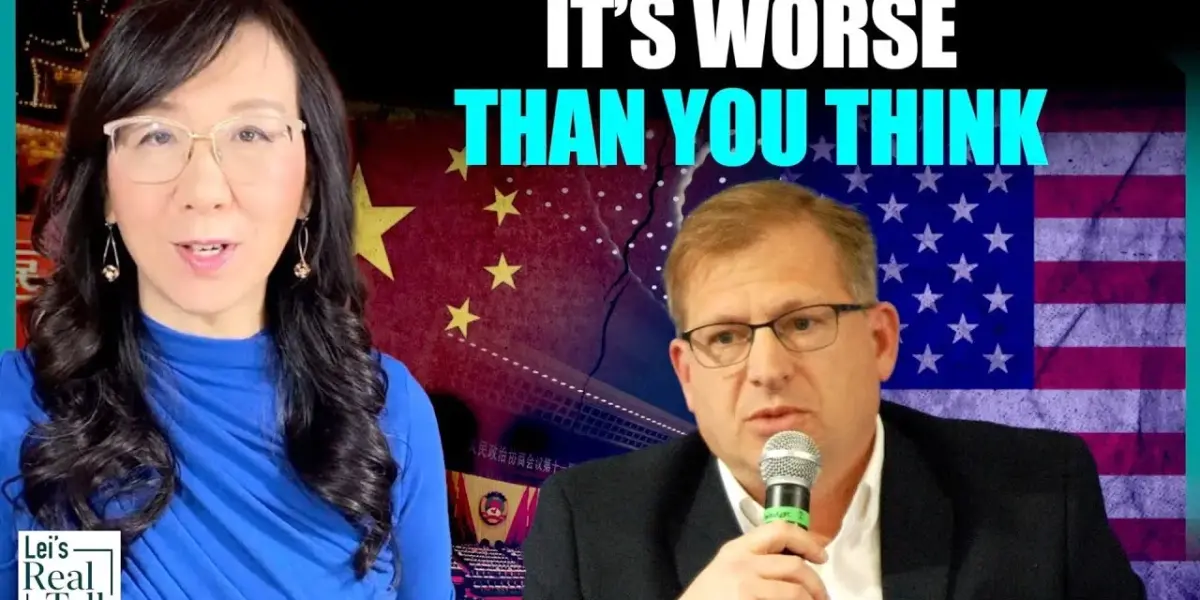
An American entrepreneur shares his alarming firsthand experiences with CCP harassment and intimidation within the U.S. He argues that these tactics are part of a larger, openly operating system of influence. This account highlights the urgent need for greater awareness regarding the depth of foreign influence.

China’s Shadowy Reach: How the CCP Infiltrates America
An American entrepreneur living in the U.S. has shared his personal story about facing harassment and intimidation. He believes this is part of a larger system of influence by the Chinese Communist Party (CCP) operating openly in America. His experiences highlight concerns about the depth and closeness of this influence, which he feels many people still fail to recognize.
The Personal Toll of Influence
The entrepreneur, who has chosen to remain anonymous for safety reasons, described how his business dealings and public statements drew unwanted attention. He felt targeted by tactics designed to silence him and discourage his criticism of the CCP. This included subtle threats and pressure, making him feel unsafe even within the United States. His account suggests that the CCP’s methods extend beyond borders, reaching into American communities and affecting individuals directly.
He explained that these tactics often involve leveraging diaspora networks, which are groups of people from the same country living abroad. These networks can sometimes be used to monitor and pressure individuals who hold views critical of the CCP government. The goal, he believes, is to control narratives and suppress dissent, even among Chinese citizens or those of Chinese descent living in the U.S.
A System Operating in Plain Sight
What is particularly disturbing about the entrepreneur’s account is his assertion that this influence operates “in plain sight.” This means the methods used are not necessarily hidden in secret back rooms but are woven into everyday activities, business practices, and community interactions. It suggests a sophisticated, long-term strategy to gain influence and control information flow.
This strategy might involve building business ties that create dependencies or using social and cultural organizations to spread specific messages. The CCP aims to shape public opinion and political discourse in the U.S. to align with its own interests. The entrepreneur’s story serves as a stark warning that these efforts are active and present, not just theoretical concerns.
Historical Context: Influence Operations
The idea of nations using influence operations to gain advantage is not new. Throughout history, countries have sought to sway public opinion, gather intelligence, and undermine rivals through various means. These can range from cultural exchanges and propaganda to economic pressure and covert actions. The CCP’s approach appears to be a modern, highly organized version of these long-standing tactics.
In the past, such efforts might have been more focused on traditional espionage. Today, with global interconnectedness, influence operations can leverage technology, social media, and economic power more effectively. The CCP has been particularly adept at using a combination of these tools to extend its reach globally. Understanding this historical context helps us see that while the methods evolve, the underlying goals of exerting power and control remain consistent.
Balanced Perspectives and Challenges
It is important to acknowledge that not all interactions between the U.S. and China are driven by malicious intent. Many Chinese individuals and businesses operating in America are simply seeking economic opportunities or cultural exchange. The challenge lies in distinguishing between legitimate engagement and coordinated influence operations by the CCP.
U.S. officials and researchers have documented various instances of CCP influence, including efforts to interfere in elections, steal intellectual property, and suppress free speech. However, proving direct links and organized campaigns can be difficult. The CCP often operates through proxies and deniable means, making it hard to pinpoint responsibility. This ambiguity allows their influence to persist and grow.
Why This Matters
The entrepreneur’s firsthand account is crucial because it humanizes the issue of foreign influence. It shows that these are not abstract geopolitical games but have real consequences for individuals. When a system of intimidation operates within the U.S., it threatens fundamental freedoms like speech and association.
Understanding these tactics is vital for protecting democratic processes and national security. If influence operations are indeed happening “in plain sight,” it means that awareness and vigilance are the first lines of defense. It calls for a more informed public and stronger measures to identify and counter undue foreign influence.
Implications, Trends, and Future Outlook
The trend suggests that foreign influence operations, particularly from state actors like the CCP, are likely to become more sophisticated. As technology advances, new methods of manipulation and control will emerge. This includes the use of artificial intelligence, advanced cyber capabilities, and the weaponization of information.
For the U.S., the future outlook involves a continuous effort to adapt and respond. This means strengthening cybersecurity, promoting media literacy, and fostering a greater understanding of how influence campaigns work. It also requires careful diplomacy and international cooperation to address these challenges effectively. The entrepreneur’s story is a reminder that staying informed and aware is essential in this ongoing effort.
Source: CCP Infiltration in America: What Most People Still Don’t See (YouTube)

Related Articles

China Maps Seabed, Eyes Hawaii in Naval Power Play
China's extensive seabed mapping in the Pacific, particularly around strategic areas like Guam and Hawaii, is raising concerns about its preparation for submarine warfare. This effort, often disguised as scientific research, aims to enhance China's naval capabilities and challenge US dominance in the region.

Ex-General’s Disappearance Fuels UFO Conspiracy Theories
Retired Air Force Major General William McCasland's sudden disappearance has sparked intense speculation, fueled by his past work on classified programs and UFO conspiracy theories. While his wife suggests personal health struggles led him to leave intentionally, his background in secret projects and past encounters with Russian hackers keep other theories alive.


US Revokes Green Cards From Soleimani Kin
The US has revoked green cards for relatives of Qasem Soleimani, citing their support for the Iranian regime. Retired Lt. Col. Darren Gob supports the move, emphasizing national security. The discussion also covered search and rescue operations and military actions against Iran.