Trump’s Easter Threat: War and Faith Collide
Donald Trump's Easter Sunday announcement, filled with threats of war and a call to "open the straight, you crazy bastards, or you'll be living in hell," starkly contrasted with the holiday's message of peace. Even allies questioned the jarring rhetoric. This incident highlights the complex relationship between faith, politics, and leadership.

Trump’s Easter Threat: War and Faith Collide
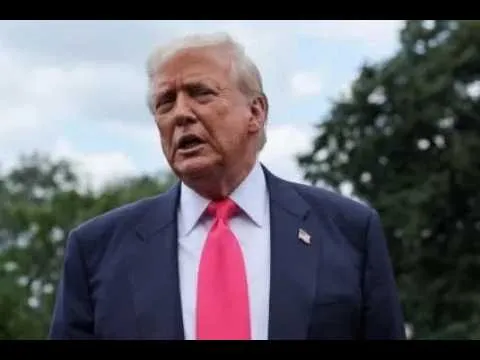
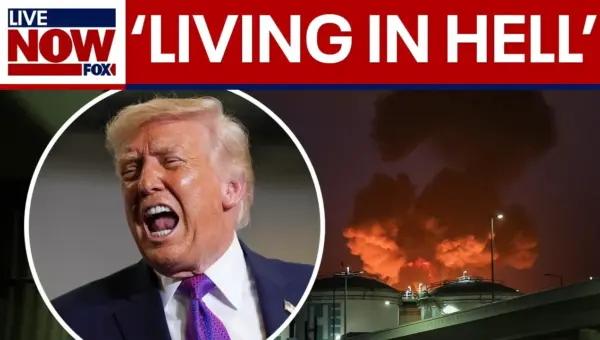
On one of the holiest days for Christians, Easter Sunday, former President Donald Trump made a startling announcement. He posted on social media about a plan for “power plant day and bridge day” in Iran. His message included a direct threat: “Open the straight, you crazy bastards, or you’ll be living in hell.” This statement, delivered on a day meant for reflection and peace, raised serious questions about the use of religious holidays for political threats.
A Stark Contrast to Easter’s Message
The message seemed to clash sharply with the traditional themes of Easter, which celebrate the resurrection of Jesus Christ and signify hope, renewal, and love. Many observers noted the irony of a president who has previously spoken about putting Christ back in Christmas and the importance of God in national life issuing such a harsh warning on this specific day. It felt less like a message of peace and more like a thinly veiled threat of conflict.
“This doesn’t exactly scream Easter. In fact, the lunacy of Trump’s post wasn’t even lost on his own party.”
Internal Criticism Surfaces
Even some within Trump’s own political circle expressed concern. Marjorie Taylor Greene, a prominent Republican, posted on Easter morning, criticizing Trump’s announcement. She urged those in his administration who identify as Christian to “fall on their knees and beg forgiveness from God” and to stop “worshipping the president.” Greene stated that Trump “has gone insane, and all of you are complicit.” This internal dissent highlighted how jarring Trump’s announcement was, even to his supporters.
Inconsistent Stance on Oil and Straits
Further analysis revealed inconsistencies in Trump’s statements regarding the Strait of Hormuz. Just days before his Easter announcement, Trump had suggested that the U.S. did not need to worry about the Strait because it imports very little oil from the region. He stated that countries that rely on the Strait should be the ones to protect it. However, his Easter message demanded that it be opened, threatening dire consequences if it was not. This created confusion about his actual position and the seriousness of his threats.
Threats of Global Conflict
The situation was further complicated by reports from ABC News. Trump reportedly told a reporter that a conflict should be over in days, not weeks. He also warned that if no deal was reached, he was prepared to use “very little off the table.” When asked if anything was off-limits, he replied, “Very little.” This suggested a willingness to escalate dramatically, with some interpreting it as a threat of nuclear war. This starkly contrasted with his past campaign promises to end wars and bring peace.
Historical Context: Promises of Peace
During his presidential campaigns, Trump often positioned himself as a candidate for peace. He promised to stop wars and bring prosperity, stating, “No more wars. No more disruptions. We will have prosperity and we will have peace.” His running mate also echoed this sentiment, suggesting that voting for Trump was the best way to prevent global conflict and a military draft. These past statements made his recent threatening remarks on Easter Sunday seem particularly out of step.
Faith and Politics: A Complicated Relationship
Trump’s relationship with religious texts and his claims of faith have also been a subject of discussion. While he has called the Bible his favorite book, he has often been hesitant to cite specific verses or engage in detailed discussions about his religious beliefs. This has led some to question the depth of his connection to Christian teachings, especially when his public statements appear to contradict the core tenets of peace and humility often associated with the holiday.
Why This Matters
The events of Easter Sunday raise important questions about leadership, rhetoric, and the intersection of faith and politics. Using a significant religious holiday to issue threats of global conflict is a serious matter. It can be seen as disrespectful to the holiday’s meaning and potentially escalatory in international relations. Furthermore, the perceived disconnect between Trump’s actions and the values of peace and humility, which are central to Christianity, invites scrutiny of his sincerity and judgment.
Implications and Future Outlook
This incident highlights a trend of political figures using religious symbolism and holidays for their own purposes, sometimes in ways that seem to undermine the very principles those holidays represent. It also underscores the ongoing debate about how leaders should communicate, especially during times of international tension. As the world navigates complex geopolitical challenges, the tone and content of presidential rhetoric remain critically important. The future may see continued tension between the use of strong, often threatening, language in politics and the desire for more measured, peaceful communication, particularly around sensitive cultural and religious observances.
Source: OMG: Trump makes INSANE Easter announcement (YouTube)

Related Articles

Trump’s Ultimatum: Iran Brinkmanship Risks Global Chaos
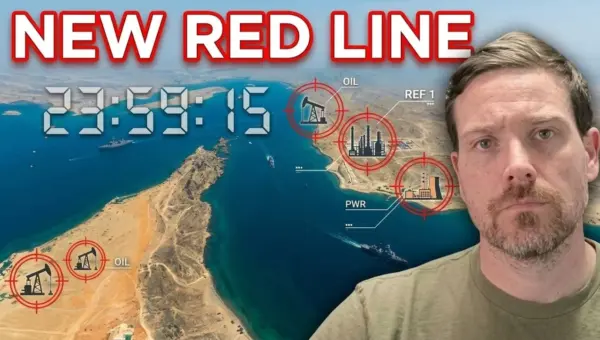
President Trump has issued a forceful ultimatum to Iran, demanding the opening of the Strait of Hormuz by Tuesday night or facing severe consequences. However, with Iran rejecting demands and a potential misunderstanding of their strategic position, the situation risks escalating with limited options for de-escalation.
Iran Shoots Down US Jets, Allies Blast Trump’s War Plan
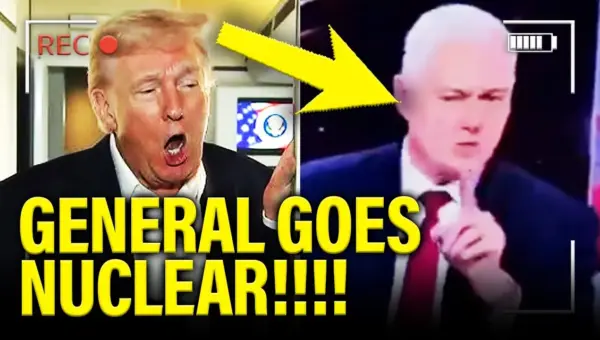
Iran's downing of U.S. aircraft directly contradicts President Trump's claims of air superiority, prompting criticism from allies and raising questions about U.S. military strategy. Meanwhile, significant leadership changes within the Pentagon have sparked controversy over internal military decision-making.
Trump Threatens Iran with ‘Power Plant Day’ on Easter
President Trump issued a stern, profanity-laced ultimatum to Iran on Easter Sunday, threatening strikes on critical infrastructure like power plants and bridges if the Strait of Hormuz is not reopened by Tuesday evening. Despite diplomatic efforts by mediating nations, Iran has reportedly refused to negotiate, raising global concerns about potential escalation and economic fallout.