Trump’s Ultimatum: Iran Brinkmanship Risks Global Chaos
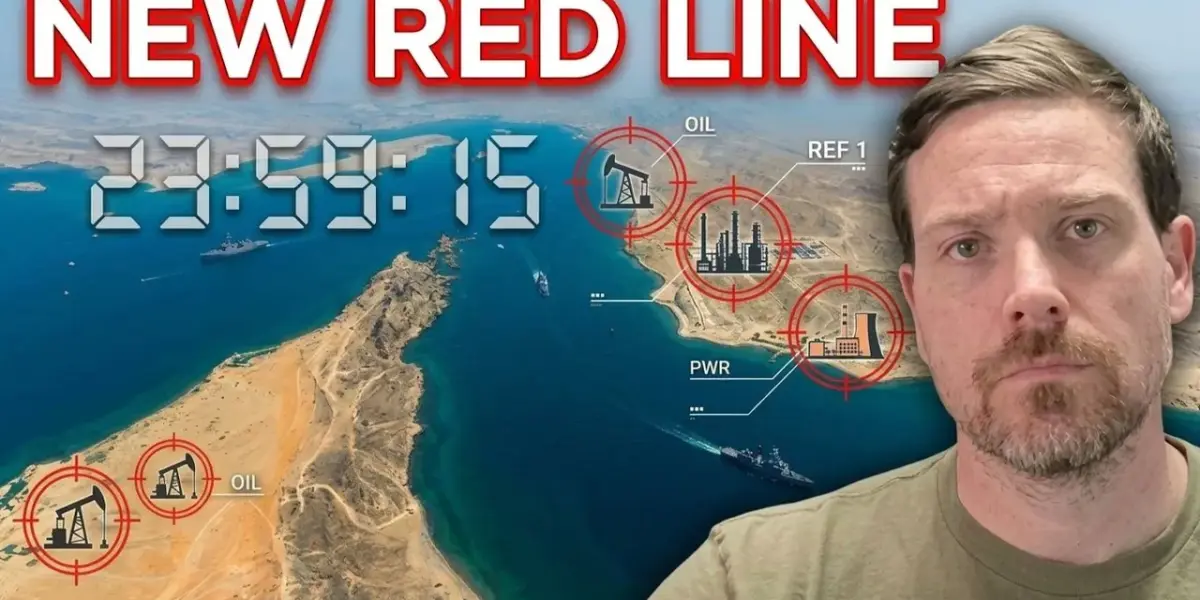
President Trump has issued a forceful ultimatum to Iran, demanding the opening of the Strait of Hormuz by Tuesday night or facing severe consequences. However, with Iran rejecting demands and a potential misunderstanding of their strategic position, the situation risks escalating with limited options for de-escalation.

Trump’s Ultimatum: Iran Brinkmanship Risks Global Chaos
President Trump has issued a stark warning to Iran: open the Strait of Hormuz by Tuesday night or face severe consequences. The president’s message, delivered via social media, was blunt and aggressive. He stated, “Tuesday will be power plant day and bridge day all wrapped up in one in Iran. There will be nothing like it. Open the effing straight, you crazy bastards, or you’ll be living in hell. just watch. Praise be to Allah.” This announcement, though unusual for official presidential communication, was confirmed and shared across government platforms, setting a clear deadline of 8:00 PM Eastern on Tuesday.
This is not the first deadline President Trump has set regarding Iran. In fact, this marks the third or fourth extension of an original ultimatum, suggesting a pattern of escalating rhetoric without a clear resolution. The situation raises questions about how such statements would be perceived if made by any other world leader. Typically, such aggressive language might suggest a leader is losing control or is out of touch with the current situation. The analysis here is that President Trump is often given leeway, with his unique communication style seen as direct or unconventional rather than a sign of instability.
Iran’s Rejection and Demands
Iran has firmly rejected any immediate ceasefire or compromise. According to The Wall Street Journal, Iranian officials have refused to back down on their demands. These demands include the withdrawal of all US bases from the region, reparations for war damages, and a guarantee that the US and Israel will not attack Iran in the future. The speaker of Iran’s parliament responded directly to President Trump’s ultimatum, stating, “Your reckless moves are dragging the United States into a living hell for every single family, and our whole region is going to burn because you insist on following Netanyahu’s commands. Make no mistake, you won’t gain anything through war crimes.”
Misunderstanding Iran’s Position
An assessment by Dennis Centrowitz of the Atlantic Council suggests a fundamental misunderstanding of Iran’s stance. The core issue might be that both sides are not speaking the same language or understanding each other’s strategic goals. While the US has a list of demands, Iran’s demands are equally far from being met by the US. This disconnect means that setting deadlines, like the one for Tuesday, may be boxing the US into a corner, creating self-imposed limitations and timers where none are necessarily needed.
“The prospect of a negotiated settlement with Iran, at least under current conditions, is close to non-existent. In practical terms, talks are not even underway. This is precisely why the familiar carrot and sticks framework is unlikely to succeed. It assumes a willingness to trade concessions for relief, but Iran’s leadership today does not see itself under sufficient pressure to compromise. On the contrary, it views the current moment as one of strategic advantage.”
Centrowitz argues that Iran does not feel enough pressure to negotiate. Instead, they see the current moment as an opportunity. This perception is crucial because if a country believes it has the upper hand, its negotiation tactics and overall approach will differ significantly. In the context of the Strait of Hormuz, Iran appears to believe it has a strategic advantage, especially when considering the damage inflicted on military forces, which is described as one-sided.
Escalation and Limited Options
By setting terms that Iran is almost certain to reject, President Trump has narrowed his options to two difficult paths. One is to escalate the conflict, which risks disrupting global energy markets and severely damaging the international economy. The other is to step back without an agreement, which could be seen as a win for Iran, undermining US credibility and pressure tactics. A third option, to simply delay the deadline, might buy time but further erodes US credibility with allies and adversaries.
The analysis suggests that without a clear understanding of Iran’s strategic mindset, Washington risks making costly decisions based on a misreading of the situation. It’s unclear who is even negotiating on Iran’s behalf, making it difficult to gauge their true position. Past events indicate that President Trump may have expected a shorter campaign, possibly hinging on the hope that the Iranian public would revolt or that the regime would be so weakened it would seek negotiations. Neither of these outcomes has materialized as expected.
Expanding the Definition of War
The current approach seems to be pushing towards more bombing or expanding the list of targets. President Trump’s recent statements about hitting power plants and bridges suggest a move towards what could be considered “total war.” While the definition of total war can vary, it often involves the mobilization of national resources or, in this context, the widening of targets to include civilian infrastructure. This is a complex and legally challenging area.
Top White House aides have reportedly argued that Iran’s power-generating facilities and bridges are legitimate military targets because destroying them could hinder the country’s missile and nuclear programs. Defense Secretary Pete Hgsath apparently advised that roads could be targeted because Iran’s military uses them to move missiles and materials. A White House official also suggested that electric plants are legitimate targets because their destruction could foster civil unrest, complicating Iran’s path to a nuclear device. However, targeting civilian infrastructure like power plants and bridges raises serious legal and moral questions. Lawyers and former military officials have expressed concern, noting that while selective attacks might be justifiable under certain circumstances, widespread destruction of civilian facilities, especially those essential for daily life like power or desalination plants, could violate the laws of international armed conflict.
The Strait of Hormuz and the Future
As of now, President Trump has set a 48-hour deadline. It appears highly unlikely that the Strait of Hormuz will be open by Tuesday night, given Iran’s current stance. The situation remains tense, with limited clear options for de-escalation. The US faces a difficult choice between escalating military action, which could have severe economic consequences, or backing down, which might damage its international standing. Both paths carry significant risks, and the lack of a clear understanding of Iran’s objectives complicates any potential resolution.
The ongoing crisis highlights the dangers of brinkmanship and the importance of clear communication and strategic understanding in international relations. The potential for wider conflict and economic disruption remains high, underscoring the need for careful consideration of all possible outcomes and a realistic assessment of the adversary’s position.
Source: Trump Issues Chaotic Ultimatum as Strait Crisis Escalates (YouTube)

Related Articles
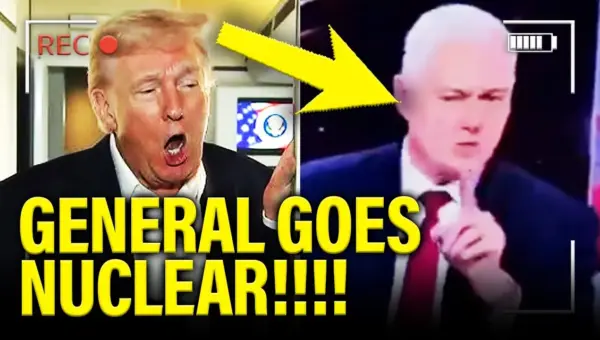
Iran Shoots Down US Jets, Allies Blast Trump’s War Plan
Iran's downing of U.S. aircraft directly contradicts President Trump's claims of air superiority, prompting criticism from allies and raising questions about U.S. military strategy. Meanwhile, significant leadership changes within the Pentagon have sparked controversy over internal military decision-making.
Trump Threatens Iran with ‘Power Plant Day’ on Easter
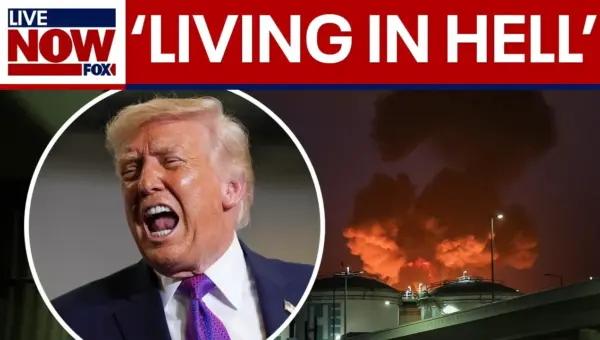
President Trump issued a stern, profanity-laced ultimatum to Iran on Easter Sunday, threatening strikes on critical infrastructure like power plants and bridges if the Strait of Hormuz is not reopened by Tuesday evening. Despite diplomatic efforts by mediating nations, Iran has reportedly refused to negotiate, raising global concerns about potential escalation and economic fallout.
Trump’s Actions Threaten Global Stability, Experts Warn
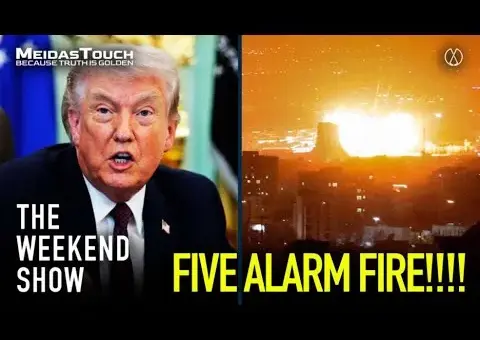
Political scientist Dr. Larry Jacobs warns that Donald Trump's actions, characterized by "incompetence, insanity and incoherence," pose a threat to global stability. The discussion on "The Weekend Show" examined specific examples and their potential impact on elections and international relations.