US Airman Rescued from Iran in Daring Special Ops Mission
U.S. forces executed a daring rescue of an airman downed in Iran, marking a significant military operation. The airman survived 24 hours in harsh terrain before being recovered by elite Navy SEALs in a complex mission that involved destroying U.S. aircraft.

US Airman Rescued from Iran in Daring Special Ops Mission
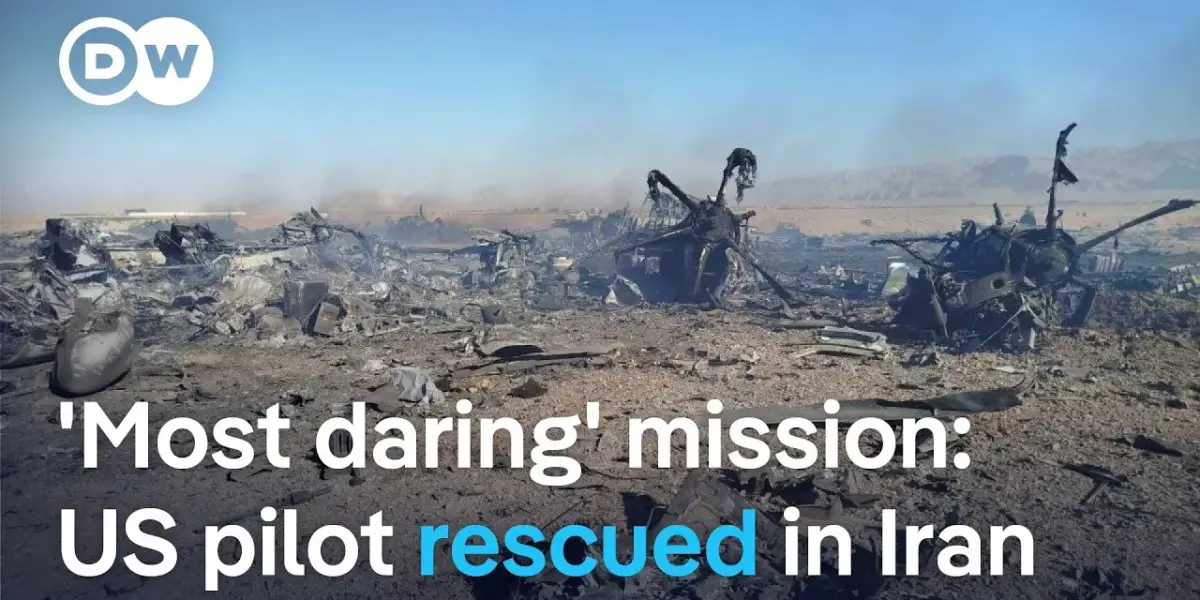
In a dramatic display of military capability, U.S. forces successfully rescued a second American airman downed in Iranian territory on Sunday. The daring operation followed the loss of an F-15 fighter jet and its crew on Friday. President Donald Trump announced the successful recovery, stating the weapon systems officer was injured but in stable condition. Iran’s military released images of what it claims is debris from the U.S. mission to rescue its downed fighter jet crew from deep within enemy territory, with both nations asserting a victory in one of the conflict’s most tense moments.
Dramatic Rescue Operation Unfolds
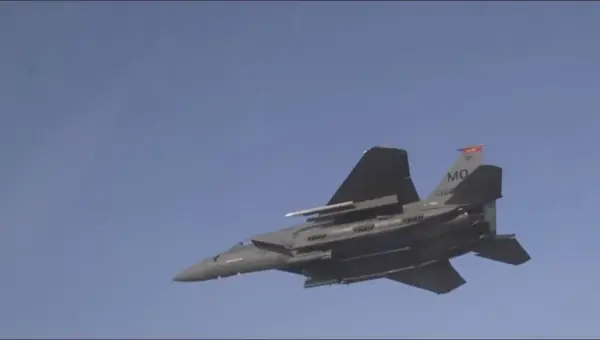
Early Sunday morning, President Trump declared, “We got him.” He described the mission as one of the most daring search and rescue operations in U.S. history. Two crew members of an F-15 Strike Eagle were reported missing on Friday after ejecting from their aircraft. Iran stated it had shot down the jet and presented fragments as evidence. While the U.S. military rescued the first crew member after several hours, the second became the target of an extensive search by both sides.
Iran’s Hunt and U.S. SEALs Mobilize
Iranian state television announced a reward for the capture of the missing airman and showed images of militia actively searching. One report featured a question to a searcher: “Have you found anything yet?” The response offered a hopeful, “God willing, he’ll be found.” Meanwhile, the U.S. deployed its elite Navy SEALs. According to U.S. media reports, the SEALs engaged Iranian convoys during their sweep to recover the missing airman. The airman had reportedly been hiding in mountainous terrain, equipped with a pistol and a tracking beacon.
Mission Complications and Iranian Claims
U.S. sources indicated a technical malfunction occurred during the extraction. This problem forced commandos to destroy two of their own transport planes to prevent them from falling into enemy hands. However, Iran framed this collateral damage as its own victory, releasing images of burning wreckage in the central Isfahan region. Iran claimed that two C-130 military aircraft and two Blackhawk helicopters were destroyed, attributing this to divine help. Both Washington and Tehran are using the incident to highlight their perceived air superiority.
Expert Analysis: Understanding the Mission’s Complexity
Jonathan Hackett, a retired U.S. Marine Corps special operations capability specialist, provided insight into the mission’s complexities. He explained that confusion often arises from the different perspectives involved in combat search and rescue. Forces operating outside Iran could contribute to larger troop numbers, while the actual in-country operation might involve fewer personnel. Hackett noted that transport aircraft landing in a difficult tactical zone required more forces than initially planned, leading to the decision to destroy the aircraft before departure.
Survival Tactics: 24 Hours Behind Enemy Lines
The rescued crew member spent approximately 24 hours alone, hiding in the mountains with only a handgun and a tracking beacon. Hackett emphasized the rigorous training U.S. pilots undergo for survival, evasion, resistance, and escape. Pilots are trained to use tracking beacons strategically, activating them only when safest and moving to new locations of safety between transmissions. This method allowed U.S. forces to locate the airman without Iranian forces discovering his position.
Harsh Conditions and Mental Fortitude
Beyond the threat of hostile forces, the airman faced extreme environmental challenges. Temperatures in the region can reach around 37°C (98.6°F) during the day. The pilot went down with minimal food and water, needing to secure sustenance and safe resting places. The mountainous terrain, characterized by steep ridges and valleys, presented significant navigation difficulties. The area is sparsely populated, inhabited by a small ethnic group known as the Lori people, who are distinct from the central Iranian government.
Historical Context: A Legendary Rescue?
When asked if the operation ranked among the most daring in U.S. military history, Hackett drew a parallel to Operation Eagle Claw in 1980. That mission, an attempted rescue of Americans in Iran, failed but spurred the creation of Special Operations Command, the unit involved in this recent rescue. This latest operation is considered one of the most complicated special operations rescues in recent memory.
Identity and Condition of Rescued Airman
The identity of the rescued airman will be withheld to protect his family and allow for a professional debriefing. This debriefing is crucial for gathering information about his evasion tactics to improve future training. His physical and mental condition, while injured after the ejection and subsequent ordeal, is considered fragile. He is receiving medical attention and care before any public information is released.
Source: 24 hours behind enemy lines: How downed US airman was rescued inside Iran | DW News (YouTube)

Related Articles
Iran’s Drone Swarms Challenge US Military Might
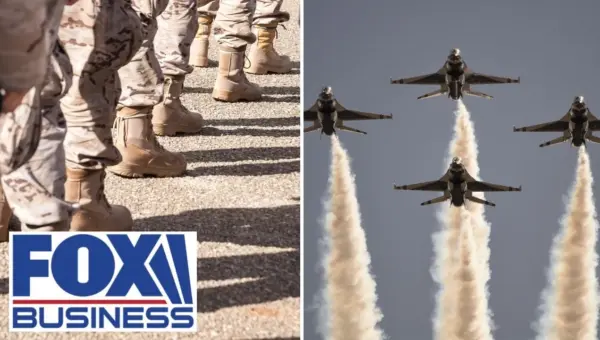
Iran's growing use of low-cost drone swarms presents a new challenge for the U.S. military, forcing a shift towards a high-low mix of advanced and affordable systems. This evolution may lead to fewer frontline troops in future conflicts.


Trump’s Iran Threat: ‘Not Sane Messaging,’ Says Ex-Air Marshal
A U.S. airman was rescued after his F-15 jet was shot down over Iran, a mission President Trump lauded. However, Trump's subsequent aggressive threats towards Iran have drawn sharp criticism from former Air Marshal Greg Bagwell, who called the messaging 'not sane.' The operation highlighted the risks involved and raised questions about Iran's capabilities.
Trump Threatens Ground Troops Amid Iran Tensions
President Trump has not ruled out sending ground troops into Iran if a deal isn't reached, signaling a potential escalation amid rising U.S.-Iran tensions. This comes after a U.S. airman was rescued following a jet downing. The President also indicated no infrastructure targets are off the table.