Pope Francis: A Global Peacemaker Addresses World Conflicts
Pope Francis's Easter message, delivered in multiple languages from New York, highlighted his role as a global peacemaker. The Pope's emphasis on Jesus Christ as the Prince of Peace comes at a critical time of international conflict. This message is resonating with a younger generation showing renewed interest in the Catholic faith.

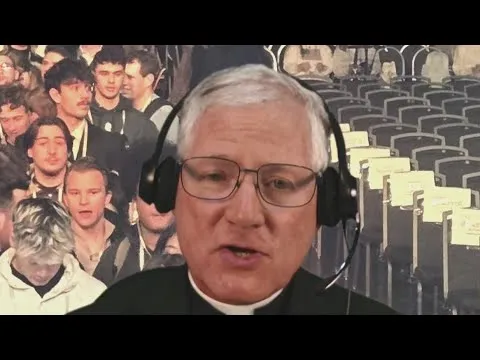
Pope Francis’s Easter Message Highlights Global Peace Efforts
Pope Francis, the first American Pope and a figure with extensive international experience, recently led Easter Mass from St. Patrick’s Cathedral in New York City. This event marked a unique moment, with the Pope delivering his traditional ‘Urbi et Orbi’ (To the City and the World) blessing in ten different languages. This broad linguistic reach underscores his commitment to connecting with a diverse global audience, a characteristic shaped by his 30 years living and working outside the United States in places like Rome and Buenos Aires.
His core message during this busy Easter week focused on Jesus Christ as the Prince of Peace. This theme resonates deeply in a world currently facing numerous conflicts and tensions. The massive crowds, estimated at tens of thousands, gathered in St. Peter’s Square and elsewhere showed signs from all over the world, reflecting the global reach of his influence and message.
The Pope’s Role in a Divided World
The Pope’s position within Christianity gives him a unique platform to address global issues. As the head of the Catholic Church, his teachings emphasize peace, service, and humility, drawing from biblical principles like turning the other cheek and going the extra mile. He recently spoke out against global conflicts, stating that God does not listen to the prayers of those who wage war.
This stance raises questions about the Catholic Church potentially taking on a more active political role. While the Pope avoids taking sides in partisan politics, he is called to address pressing world issues such as starvation, family life, and political conflicts. His mission is to guide people closer to Christ and to promote Christ’s message of peace throughout the world.
A Resurgence in Faith Among Young People
Interestingly, recent trends show a potential shift in religious engagement, particularly among young people. While many religious organizations have seen declining numbers, there are signs that young people, especially young men, are returning to the Catholic faith. Events like the SEEK conference, which drew 25,000 attendees, have seen a significant turnout of young men for prayer gatherings.
This trend appears to be a reversal of the usual demographic split in many Christian religions, where women often make up a larger percentage of attendees. This resurgence can be traced back over the last 30 years, possibly influenced by major events like Pope John Paul II’s visit to the United States in 1993, which drew 500,000 people. The generation that attended that event is now raising families, and their children seem to be more committed to practicing their faith than previous generations like the Boomers, Millennials, and Generation X.
This growing engagement is visible in the increasing number of young priests and seminarians, indicating a renewed interest in religious vocations and a deeper connection to the Church’s teachings. This movement suggests a slow but steady change within the Catholic Church, driven by a younger generation seeking meaning and connection.
Global Impact and Historical Context
Pope Francis’s international background and his focus on peace place him in a significant position on the world stage. His ability to speak multiple languages and his deep understanding of diverse cultures allow him to connect with people globally. This contrasts with some past papal messages, though figures like Pope John Paul II also had a significant global reach.
Historically, religious leaders have often played roles in promoting peace and dialogue during times of conflict. The Catholic Church, through its extensive network and moral authority, has frequently acted as a mediator or a voice for humanitarian concerns. Pope Francis’s current emphasis on peace aligns with this historical role, but his direct commentary on specific conflicts like the US-Iran situation suggests a more direct engagement with contemporary geopolitical issues.
Future Scenarios
The Pope’s emphasis on peace could lead to increased diplomatic efforts by the Church to mediate conflicts. It might also inspire greater interfaith dialogue and cooperation on global challenges. The growing engagement of young people could revitalize the Church and ensure its relevance for future generations. However, the Church’s influence remains primarily moral and spiritual, and its ability to directly alter geopolitical outcomes is limited. The impact will depend on how effectively his message of peace is received and acted upon by world leaders and individuals alike.
Source: Father Rocky: Pope Leo’s international appeal on display during Easter Mass | NewsNation Live (YouTube)

Related Articles
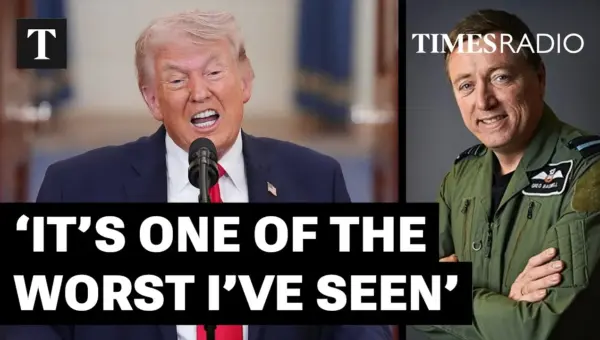
Trump’s Iran Threat: ‘Not Sane Messaging,’ Says Ex-Air Marshal
A U.S. airman was rescued after his F-15 jet was shot down over Iran, a mission President Trump lauded. However, Trump's subsequent aggressive threats towards Iran have drawn sharp criticism from former Air Marshal Greg Bagwell, who called the messaging 'not sane.' The operation highlighted the risks involved and raised questions about Iran's capabilities.

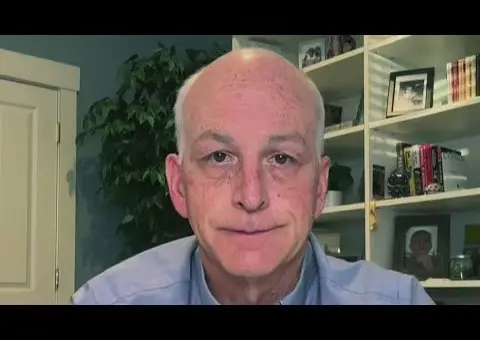
Iran War Funding Sparks Congress Clash, Threatens Global Economy
Representative Adam Smith criticizes the administration's costly Iran war strategy, questioning its effectiveness and fiscal responsibility. A major clash is emerging in Congress over $1.5 trillion in proposed war funding, with lawmakers debating authorization versus appropriation. The conflict risks further global economic instability.
Trump Threatens Ground Troops Amid Iran Tensions
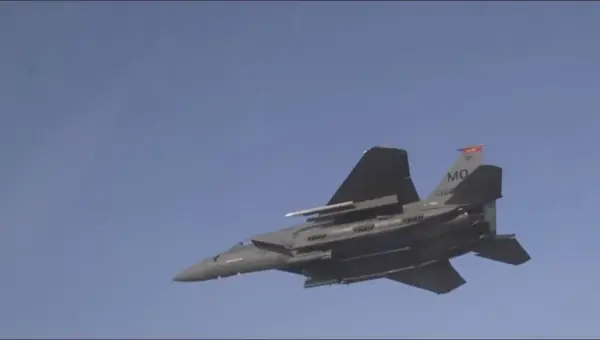
President Trump has not ruled out sending ground troops into Iran if a deal isn't reached, signaling a potential escalation amid rising U.S.-Iran tensions. This comes after a U.S. airman was rescued following a jet downing. The President also indicated no infrastructure targets are off the table.