US Rescues Pilot From Iran, Trump Hints at Escalation
U.S. forces executed a daring rescue of a downed pilot from Iran, while President Trump signaled an escalation of military action against the country. The operation and the President's rhetoric sparked debate among lawmakers about the war's rationale, duration, and congressional oversight.

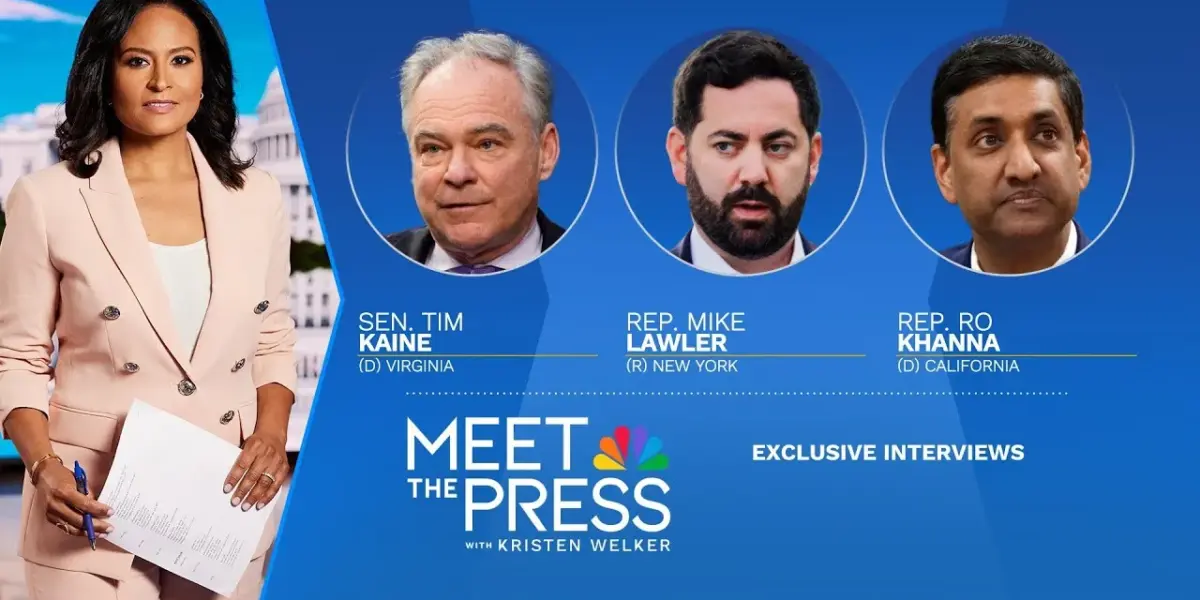
Daring Rescue Mission
In a dramatic overnight operation, U.S. forces successfully rescued a second American airman whose F-15 fighter jet was shot down over Iran. President Trump described the mission as an “Easter miracle” on Sunday, praising the rescuers’ skill and decisiveness. He stated that the Iranians believed they had captured the airman, but the U.S. forces secured him before that could happen. Trump also commented on the mission via Truth Social, issuing a strong warning to Iran.
This successful rescue is being called unprecedented, as such missions are typically considered too dangerous to attempt in hostile territory. The operation highlights the capabilities and bravery of the U.S. military.
Rising Tensions and Conflicting Signals
The rescue comes as tensions between the U.S. and Iran remain extremely high. President Trump, in a prime-time address earlier in the week, declared that military objectives were nearing completion and warned of severe retaliation. “We are going to hit them extremely hard over the next two to three weeks,” Trump stated, vowing to bring Iran “back to the Stone Ages where they belong.”
However, the rhetoric also raises concerns. Senator Tim Kaine of Virginia, appearing on “Meet the Press,” expressed relief over the pilot’s rescue but criticized the President’s aggressive language. “This kind of rhetoric is really dangerous,” Kaine said, explaining that it could encourage mistreatment of captured personnel. He urged the President to “dial down” the aggressive tone, suggesting it puts pilots at risk.
Debate Over War’s Rationale and Duration
The ongoing conflict has sparked debate in Washington regarding its purpose and potential end. Congressman Ro Khanna of California also voiced his relief for the rescue but condemned the President’s threats of war crimes and his statements about destroying Iran’s missile capacity while pilots are still being shot down. Khanna called for an immediate end to the war, advocating for a ceasefire and a negotiated settlement involving Iran, Israel, and the United States.
Congressman Mike Lawler of New York defended the President’s actions, stating the military operation was within his authority. He argued that Congress was lawfully notified and that the operation has been successful in degrading Iran’s military capabilities, including its ballistic missile and drone programs. Lawler asserted that the President took decisive action to prevent Iran from obtaining nuclear weapons.
Congressional Authority and Funding
A key point of contention is Congress’s role in authorizing military action and funding. Senator Kaine pointed out that Congress has not declared war since World War II and questioned the justification for a significant increase in military spending, especially given perceived ineptitude in Pentagon leadership. He expressed reluctance to approve a $1.5 trillion military budget increase without more details and accountability.
Republican Senator John Curtis’s statement, emphasizing the Constitution’s assignment of the war declaration power to Congress, was highlighted. Senator Kaine agreed that a war of this magnitude should not proceed without congressional approval. Congressman Lawler acknowledged that if the conflict extends beyond the 60-day window allowed by the War Powers Act, Congress would need to take action. He also stated he would support funding the military to ensure it has the resources for operations.
Congressman Khanna firmly opposed the requested $400 billion for the war, calling it a waste of resources that could be used for domestic priorities like universal child care or increased teacher salaries. He urged Democrats to reject such funding requests.
Internal Turmoil and Cabinet Shake-ups
The conflict abroad is mirrored by turmoil within the administration. The transcript mentions the ousting of the Army Chief of Staff, with Senator Kaine suggesting this was due to leadership seeking to remove those who might offer unwelcome advice. Additionally, Attorney General Pam Bondi was reportedly fired, marking the second cabinet-level departure recently.
Senator Kaine commented on the Attorney General’s position, emphasizing the need for integrity and independence. He noted that Bondi’s actions seemed to compromise her principles and she was fired nonetheless, suggesting a difficult lesson for future nominees. Congressman Khanna agreed that Pam Bondi still needs to testify, particularly regarding the handling of the Jeffrey Epstein case files.
Focus on Homeland Security Funding
Another major legislative battle discussed is the funding for the Department of Homeland Security, which had been facing a shutdown. While a deal appeared to be forming, disagreements persisted over reforms related to Immigration and Customs Enforcement (ICE) and Customs and Border Protection (CBP). Senator Kaine noted that Democrats had agreed to fund agencies at previously agreed-upon levels and continue discussions on reforms, particularly regarding standards for federal agencies that mirror local law enforcement practices.
Congressman Lawler criticized Democrats for what he called a deliberate shutdown of the department, arguing they do not want to enforce immigration laws. He cited a tragic case in his district where an individual allegedly allowed to enter the U.S. under current policies was accused of murder. Lawler insisted that ICE and CBP must be fully funded and that the House Republican leadership would push for this when Congress reconvenes.
NATO and International Alliances
Senator Kaine also addressed concerns about the U.S. commitment to NATO. He co-authored legislation with the late Senator John McCain, later supported by Senator Marco Rubio, to prevent unilateral withdrawal from the alliance. Kaine expressed confidence that Congress could block any attempt by President Trump to leave NATO, stating such a move would be an “irrelevant falsehood” as the President cannot withdraw without congressional support.
He criticized the President for harming NATO through unconsulted tariffs and wars affecting allied economies. Kaine argued that cooperation and partnership are essential for seeking help, rather than kicking allies around and then asking for respect.
What’s Next
As Congress prepares to return, attention will be on whether a bipartisan agreement can be reached on homeland security funding and the broader military budget. The debate over the U.S. role in the conflict with Iran, the President’s rhetoric, and the constitutional authority for military action will likely intensify. Furthermore, the implications of the Attorney General’s firing and the ongoing investigation into the Epstein case will continue to unfold.
Source: Meet the Press Full Episode — April 5 (YouTube)

Related Articles
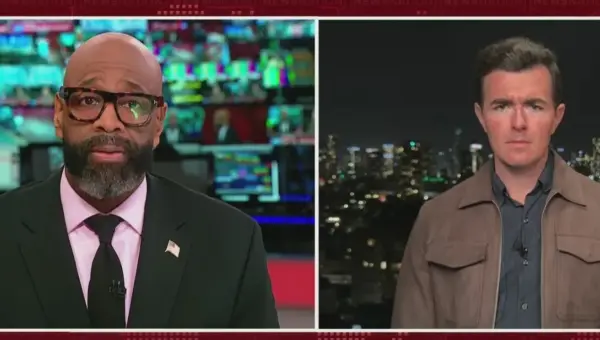
US Rescues Pilot, Risks Iranian Escalation
A daring U.S. rescue mission in Iran to save a downed pilot has raised tensions, potentially leading to the loss of American aircraft. The operation highlights the fragile state of U.S.-Iran relations and the risks of regional escalation.


Iran Downs U.S. Jet, Sparking Major Geopolitical Tensions
Iran's downing of two U.S. military jets marks a rare escalation, prompting a focus on U.S. rescue capabilities. A former A-10 pilot shared insights into the intense training and resolve of military personnel during such high-risk operations.
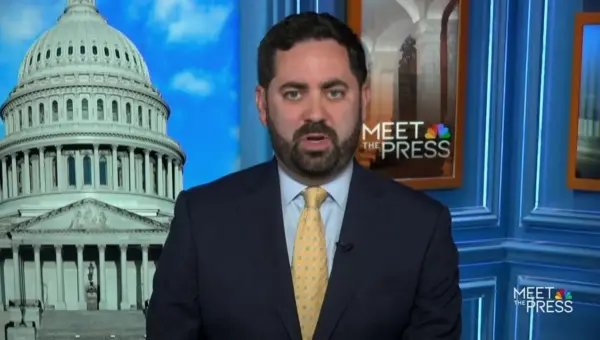
Congress Ready to Act if Iran Conflict Escalates, Lawler Says
Congress is prepared to take "necessary action" if the Iran conflict escalates, according to Rep. Mike Lawler. He praised a recent military rescue operation and defended the president's authority under the War Powers Act, while also stressing the need for congressional briefing on troop deployments. Lawler also criticized Democrats for the Department of Homeland Security funding stalemate, vowing to fully fund border security agencies.