US Rescues Pilot, Risks Iranian Escalation
A daring U.S. rescue mission in Iran to save a downed pilot has raised tensions, potentially leading to the loss of American aircraft. The operation highlights the fragile state of U.S.-Iran relations and the risks of regional escalation.

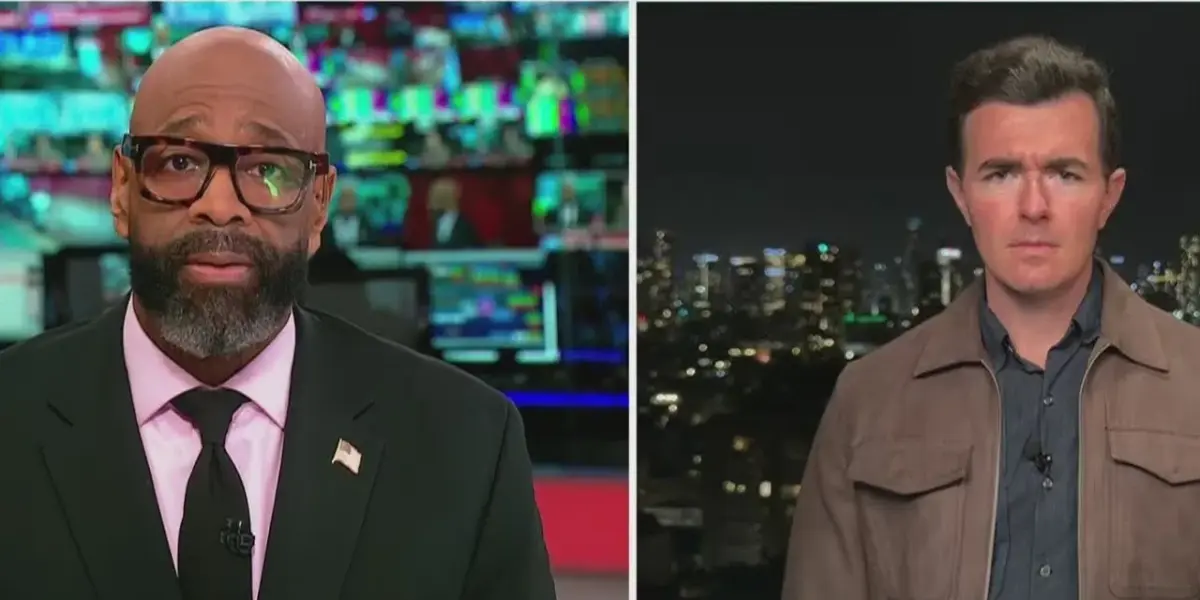
US Rescues Pilot, Risks Iranian Escalation
The United States recently conducted a daring rescue operation deep in Iran to save a downed American pilot. This mission, described as one of the riskiest in U.S. history, highlights the ongoing tensions between the two nations. While the pilot is now safe, the operation itself may have led to the destruction of U.S. aircraft and equipment on Iranian soil, raising concerns about potential Iranian retaliation.
High-Stakes Rescue Mission
The U.S. military launched dozens of aircraft, equipped with powerful weapons, to bring home a respected U.S. Air Force Colonel. The pilot had been injured after his aircraft went down in a mountainous region of Iran. The operation was complex and dangerous, putting American service members and valuable equipment at risk. The pilot is reportedly recovering well.
Conflicting Reports Emerge
Footage from Iranian state media, which could not be independently verified by U.S. outlets, shows what appears to be destroyed U.S. aircraft on the ground in Iraq. American officials, citing unnamed sources, suggest that U.S. forces may have had to destroy some of their own aircraft and equipment to prevent it from falling into Iranian hands. Reports mention the potential loss of two C-130J Super Hercules aircraft, which are large transport planes used for special operations and troop extraction.
Iran’s Stance and U.S. Objectives
The incident occurs amid a backdrop of significant geopolitical friction. Iran has previously warned that a deadline for certain actions related to its nuclear program still stands. This rescue operation, while a success for the U.S. in bringing its pilot home, could complicate diplomatic efforts or provoke a stronger response from Iran. The U.S. aims to ensure the safety of its personnel and prevent hostile actions, while Iran seeks to assert its regional influence and sovereignty.
Israel’s Perspective
U.S. allies like Israel have been closely watching these developments. People in Israel, like many globally, have expressed worry about the potential consequences of such a high-risk operation. The successful rescue offered a moment of relief, but the underlying instability and the risk of escalation remain a significant concern for regional stability.
Global Impact: Why This Reshapes the World Order
This rescue mission underscores the volatile nature of U.S.-Iran relations and the broader Middle East. It shows how quickly a localized incident can escalate into a major international concern. The potential destruction of U.S. military assets on foreign soil, especially in a region with complex rivalries, could lead to increased military posturing and a renewed focus on defense spending. It also highlights the delicate balance of power and the constant threat of miscalculation that can destabilize international security.
Historical Context
U.S.-Iran relations have been strained for decades, marked by events like the 1979 hostage crisis and ongoing disputes over Iran’s nuclear program and regional influence. Past incidents have often led to periods of heightened tension and increased sanctions. This rescue operation adds another layer to this complex history, demonstrating the lengths to which the U.S. will go to protect its personnel, even at the risk of worsening relations.
Economic Considerations
While the transcript doesn’t detail economic factors, U.S.-Iran relations are heavily influenced by sanctions. The U.S. has imposed significant economic penalties on Iran, affecting its oil exports and access to international finance. Iran, in turn, has threatened actions that could disrupt global energy supplies, particularly through the Strait of Hormuz. Any escalation following this rescue could lead to further sanctions or disruptions, impacting global energy markets.
Future Scenarios
Several outcomes are possible. Iran could respond with diplomatic protests, cyberattacks, or by supporting proxy groups in the region. Alternatively, both sides might seek to de-escalate to avoid a direct confrontation, especially given the ongoing deadline concerns. A more aggressive Iranian response could lead to further U.S. military deployments and increased regional instability.
Source: Trump to Iran: ‘Smart people would make a deal’ | NewsNation Live (YouTube)

Related Articles

US Forces Stage Daring Iran Rescue of Downed Pilot
Elite U.S. special forces executed a daring rescue of a downed F-15E pilot deep within Iran's Zagros Mountains. The operation involved multiple branches and aircraft, facing heavy resistance. President Trump confirmed the successful recovery, marking a significant behind-enemy-lines mission.


US Rescues Airman Behind Enemy Lines
The U.S. military successfully executed a daring rescue of an airman behind enemy lines, showcasing elite Pararescue capabilities. This joint operation involved multiple U.S. special operations forces and international partners, highlighting a strong commitment to personnel recovery. The mission is expected to become a key case study in military training.

US Commandos Stage Daring Raid to Save F-15 Pilot
U.S. special operations forces executed a daring rescue deep inside Iran to save a downed F-15 weapon systems officer. The complex mission involved evasion, air support, and innovative intelligence tactics. It highlights the U.S. military's commitment to its personnel.