China Maps Seabed, Eyes Hawaii in Naval Power Play
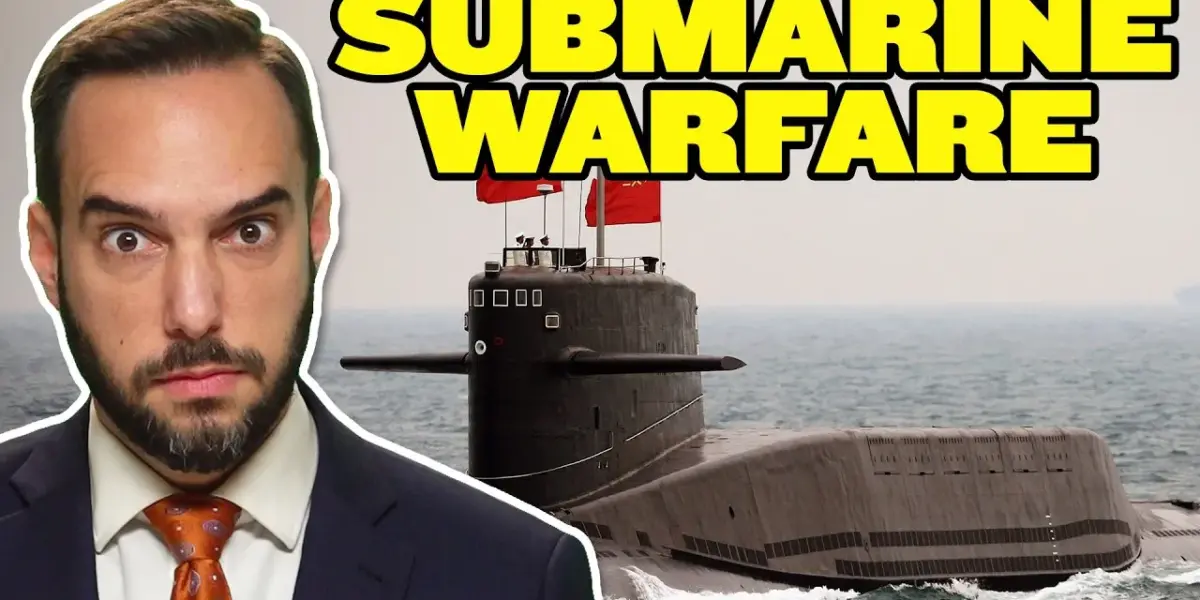
China's extensive seabed mapping in the Pacific, particularly around strategic areas like Guam and Hawaii, is raising concerns about its preparation for submarine warfare. This effort, often disguised as scientific research, aims to enhance China's naval capabilities and challenge US dominance in the region.

China Maps Seabed, Eyes Hawaii in Naval Power Play
China is actively mapping the ocean floor in critical areas of the Pacific Ocean. This effort is seen by some as preparation for submarine warfare against the United States. A significant focus of this mapping appears to be waters around Taiwan and US territories like Guam and Hawaii. This move could reshape naval power dynamics in the region.
A Bold Proposal and a Strategic Concern
The idea of China taking control of Western Hawaii was reportedly suggested by a senior Chinese officer to a US Admiral back in 2008. While it sounded like a joke then, China’s actions suggest they are serious about expanding their influence. This is not just about Taiwan; it extends to American soil.
A recent report by Reuters highlighted China’s extensive efforts to map the ocean floor. This mapping is crucial for submarine operations. It helps submarines navigate, hide, and position sensors or weapons on the seabed. Rear Admiral Mike Brooks, commander of the US Office of Naval Intelligence, warned Congress that these activities represent a serious strategic concern for the US.
Scientific Research or Cover for Military Aims?
China often conducts these mapping operations under the guise of scientific research. For instance, the research vessel Dong Fang Hong 3, operated by the Ocean University of China, has sailed extensively in seas near Taiwan, Japan, the Indian Ocean, and Guam. Officially, its mission is described as collecting mud samples and studying climate change.
However, the university itself has acknowledged the ship’s role in deep-sea mapping. This is not an isolated case; many Chinese research ships are engaged in similar activities. The detailed grid patterns used in their mapping suggest a focus beyond simple scientific data collection. These efforts are particularly notable in areas like the Indian Ocean and Arabian Sea, which are vital for China’s oil shipments.
The president of the Ocean University of China has publicly celebrated the institution’s close ties with the Chinese Navy. He also spoke about its commitment to building China into a strong maritime power and enhancing national defense. This suggests a clear link between the university’s research activities and China’s military objectives.
Going Dark and Shifting the Balance
Adding to the concern, these Chinese research vessels sometimes disable their tracking systems. This makes it difficult to know the full extent of their operations. Experts like Ryan Martinson from the US Naval War College describe the scale of China’s maritime scientific research as astonishing.
Naval warfare experts believe this detailed mapping will allow China to deploy its submarines more effectively. It will also help them track and potentially target adversary submarines. In a conflict over Taiwan, controlling these shipping lanes is vital for China. The US might try to blockade these waters to cut off China’s resources, making underwater access and knowledge critical.
Mapping Guam and the Western Pacific
Much of this mapping activity is focused on the Western Pacific, an area that includes Taiwan and waters around Guam. Guam is a US territory and hosts a major US military base, including facilities for nuclear submarines. Naval experts believe intense submarine battles could occur in these waters, and China’s mapping efforts could tip the balance of power.
China now possesses the world’s largest navy, with shipbuilding capacity far exceeding that of the US. While the quality of ships is debated, the sheer quantity presents a significant challenge. This extensive mapping threatens to erode the US Navy’s long-standing advantage in understanding the underwater battlefield.
Broader Ambitions and Future Scenarios
The strategic implications extend beyond Taiwan and Guam. If China were to gain control of Taiwan, it would break through the so-called ‘first island chain,’ a series of islands China sees as containing its naval power. China has also been forging agreements with Pacific island nations, securing access to deep-water ports that could support naval operations.
Taking Hawaii would represent a complete reversal of the current power balance. It would effectively box in the US military in the Pacific. China is also mapping waters around Alaska, suggesting a broader strategy to control Pacific and Arctic shipping lanes and limit US access to the oceans.
Some in the US question the wisdom of defending Taiwan against such a powerful and determined China. They argue that US power has limits and should not be squandered. This perspective suggests a pragmatic approach: if China aims for ‘Hawaii West,’ perhaps the US should concede, leading to a more multipolar world order.
Challenges for China’s Submarine Fleet
Despite China’s advancements, its submarine fleet is not without weaknesses. In 2024, one of China’s newest nuclear-powered submarines sank near its shipyard. This incident, along with recent purges in China’s defense industry following perceived failures in military technology sales, suggests potential issues with Chinese military hardware.
While China is clearly preparing for potential conflict, the effectiveness of its naval capabilities remains a subject of scrutiny. The US must remain vigilant and aware of China’s strategic moves in the Pacific.
Global Impact
China’s extensive seabed mapping in the Pacific, particularly around strategic locations like Guam and Hawaii, represents a significant development in naval strategy. This effort, often conducted under the guise of scientific research, aims to enhance China’s submarine warfare capabilities. By gaining detailed knowledge of the ocean floor, China seeks to improve submarine navigation, concealment, and weapon deployment. This directly challenges the US Navy’s traditional advantage in understanding the underwater domain.
The implications are far-reaching. If China achieves its objectives, it could alter the balance of power in the Indo-Pacific, potentially enabling it to project greater military force and secure vital sea lanes. This could impact global trade, regional security alliances, and the overall international order, pushing towards a more multipolar world where US dominance is increasingly questioned. The focus on mapping areas crucial for energy imports also highlights the economic dimensions of China’s military modernization.
Historical Context
The strategic importance of islands in the Pacific has a long history, dating back to World War II. Control of naval bases and strategic choke points has always been key to projecting power across vast ocean expanses. The current actions by China echo historical patterns of naval powers seeking to secure maritime dominance through intelligence gathering and strategic positioning.
The ‘island chains’ concept, which China seeks to break through, has been a key element of US and allied strategy in the region for decades, aimed at containing potential adversaries. China’s efforts to map the seabed and secure ports in the second island chain represent a direct challenge to this established strategic framework.
Economic Leverage
China’s dependence on oil shipments through the Indian Ocean and Arabian Sea underscores the economic stakes involved. By mapping these waters, China is not only preparing for potential military scenarios but also seeking to safeguard its economic lifelines. A US blockade of these shipping lanes, as mentioned, would be a severe blow to China’s economy.
Conversely, China’s growing naval power and its strategic mapping efforts could be used to threaten or control vital shipping routes, giving it significant economic leverage over nations dependent on maritime trade. The potential control over resources and trade routes is a powerful motivator behind China’s naval expansion and intelligence-gathering activities.
Regional Alliances and Shifting Power
China’s outreach to Pacific island nations for access to deep-water ports signals a deliberate strategy to expand its military presence beyond its immediate shores. This challenges existing regional security arrangements and alliances, such as those involving the US and its allies like Japan and Australia.
The growing size of China’s navy and its increasing assertiveness in mapping and potentially controlling strategic maritime areas are fundamentally shifting the regional power balance. This forces other nations to reassess their security postures and alliances in response to China’s expanding influence.
Future Scenarios
One future scenario involves China successfully using its mapped intelligence to gain a significant advantage in submarine warfare, potentially deterring US intervention in regional conflicts or even projecting power directly towards US territories. Another scenario is that the US, aware of these threats, significantly boosts its own naval intelligence and counter-submarine capabilities, maintaining a strategic balance.
A third possibility is that China’s technological and operational challenges, as suggested by recent submarine incidents, limit the effectiveness of its mapping efforts, preventing a decisive shift in power. Finally, a diplomatic or de-escalation path, though not currently evident, could lead to agreements that reduce tensions and prevent direct military confrontation over maritime control.
Source: Is China Preparing to Attack Hawaii? (YouTube)

Related Articles


Russia Faces Last-Ditch Offensive, Internal Cracks
Russia may be launching a final major offensive in Ukraine as it faces mounting internal pressures. Analysts suggest this push is a last resort before significant manpower and financial issues arise. Meanwhile, increasing domestic information control and official criticism highlight growing cracks within the Russian establishment.


Trump Threatens Iran, Shaking Global Stability
Former President Trump's aggressive Easter Sunday warning to Iran has ignited global concerns, highlighting a volatile intersection of politics, religion, and foreign policy. The analysis explores the motivations behind such rhetoric, the deep divisions within American society, and the potential for severe economic and geopolitical repercussions worldwide.

Cuba Crisis Deepens: Fuel Blockade Sparks ‘Perfect Storm’
Cuba is facing a severe 'perfect storm' due to a U.S. blockade halting vital fuel deliveries, crippling its economy and daily life. A recent Russian oil shipment offers temporary relief, but the island nation grapples with widespread power outages and disrupted essential services.