Russia Faces Last-Ditch Offensive, Internal Cracks
Russia may be launching a final major offensive in Ukraine as it faces mounting internal pressures. Analysts suggest this push is a last resort before significant manpower and financial issues arise. Meanwhile, increasing domestic information control and official criticism highlight growing cracks within the Russian establishment.

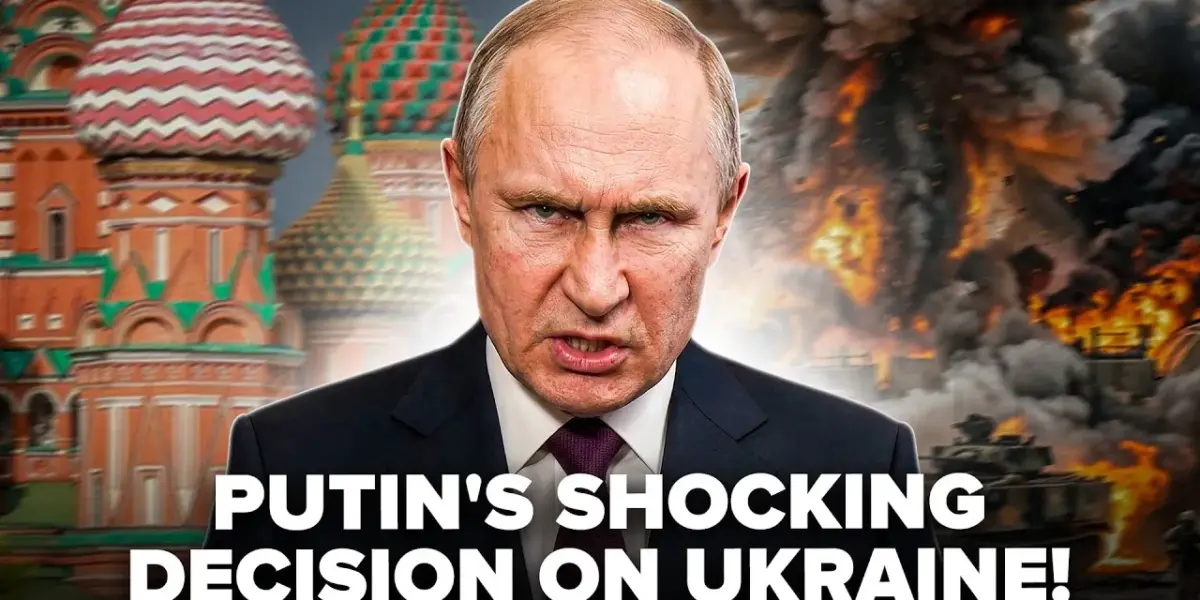
Russia Faces Last-Ditch Offensive, Internal Cracks
Russia may be preparing for a final major offensive in Ukraine, a move analysts suggest is a last attempt to gain territory before facing significant manpower and financial issues. This potential push comes as internal dissent appears to be growing within Russia, highlighted by official criticism of the country’s defense capabilities and increasingly tight control over domestic information access.
Putin’s Strategy: Delay and Gain Territory
President Vladimir Putin’s strategy appears to be centered on delaying negotiations as long as possible. The goal is to capture more Ukrainian land, weaken Ukraine’s government, and damage its industrial and energy infrastructure. This would strengthen Russia’s position when talks eventually occur. With international attention currently focused elsewhere, Putin may see this as an opportune moment to press his advantage.
A Mixed Battlefield Picture
The situation on the ground presents a mixed picture. Ukraine has achieved notable successes in defending areas like Kherson and Zaporizhzhia. However, Russian forces are reportedly advancing in the Sumy and Kyiv regions in the north. The coming summer months, with better weather and Ukraine less vulnerable to energy attacks, could prompt Putin to launch a significant offensive.
Ukraine’s Defense Needs
To counter any Russian advance effectively, Ukraine needs rapid reinforcement. This includes more drones, heavy armor, and long-range artillery. These assets are crucial for striking Russian supply lines, transport routes, and reinforcements. The aim is to inflict heavy losses, making any Russian push unsustainable and forcing it to halt quickly. Fortifying Ukrainian defensive lines along the entire front is also a priority.
Russia’s Weakening Position
Analysts suggest Putin’s manpower is not limitless. The recruitment of foreign mercenaries who are unwilling to fight is seen as an unsustainable tactic. Russia is expected to face growing manpower and financial challenges. This potential offensive could be viewed as a “last throw of the dice” for Russia to achieve a major objective. If Ukraine can successfully repel this advance, future Russian offensives may become less likely due to Russia’s increasing constraints.
Information Control and Internal Dissent
Simultaneously, Russia is tightening control over information within its borders. Restrictions on mobile internet access have been reported in major cities like Moscow and St. Petersburg. This move reflects the Kremlin’s priority of maintaining domestic control, even at the expense of hindering Russian military operations, as seen with previous restrictions on the Telegram messaging app.
“If it’s a choice between setbacks in Ukraine and control at home, he’s always going to go for control at home.”
Economic Impact and Public Reaction
These internet restrictions are expected to have significant economic consequences, as the Russian economy relies on modern communication technology. While Putin has largely shielded the Russian population from the war’s realities, using mercenaries and focusing mobilization efforts on rural and remote areas, the declining economy and Ukrainian attacks on Russian infrastructure are making the war’s effects more apparent. Rising petrol prices and reduced oil earnings are beginning to impact ordinary Russians.
Historical Parallels and Future Outlook
While predicting the exact timing is impossible, historical parallels, such as the collapse of seemingly strong totalitarian regimes in Eastern Europe during the late 20th century, offer a glimmer of hope. These regimes often appeared stable but could crumble quickly when internal weaknesses emerged. The current situation in Russia, with growing internal dissent and visible vulnerabilities, echoes these historical patterns.
Internal Criticism and Blame Games
Recent statements from Russian officials, like former Defense Minister Sergey Shoigu, have indicated growing internal concern. Shoigu reportedly criticized Russia’s defense for failing to counter Ukrainian drone and long-range missile threats, suggesting no region in Russia is safe. This could signal a warning to the Russian population that the war’s reality can no longer be hidden. It may also represent a “blame game” among military leaders seeking to avoid accountability for poor performance.
Elite Cracks and Potential Change
When Russian elites begin to openly debate strategy and acknowledge the country’s direction is flawed, it can create space for broader societal discussion. Change in Russia is unlikely to come from grassroots protests alone. However, dissension within the elite, driven by performance failures and internal criticism, could eventually trickle down and lead to political change. The hope is for more officials to openly discuss the reality of the situation, rather than attempt to conceal it from the Russian people.
Source: 💥Urgent! Putin has ordered the army. The date of Russia’s new offensive has been revealed (YouTube)

Related Articles


Trump Threatens Iran, Shaking Global Stability
Former President Trump's aggressive Easter Sunday warning to Iran has ignited global concerns, highlighting a volatile intersection of politics, religion, and foreign policy. The analysis explores the motivations behind such rhetoric, the deep divisions within American society, and the potential for severe economic and geopolitical repercussions worldwide.

Cuba Crisis Deepens: Fuel Blockade Sparks ‘Perfect Storm’
Cuba is facing a severe 'perfect storm' due to a U.S. blockade halting vital fuel deliveries, crippling its economy and daily life. A recent Russian oil shipment offers temporary relief, but the island nation grapples with widespread power outages and disrupted essential services.

Trump’s Iran Policy: A Strait of Hostage?
A new analysis suggests Donald Trump's "tariff" approach to foreign policy may have inadvertently given Iran more leverage over the Strait of Hormuz. This strategy has allowed Iran to "toll" ships, creating a significant geopolitical advantage.