Trump Threatens Iran, Shaking Global Stability
Former President Trump's aggressive Easter Sunday warning to Iran has ignited global concerns, highlighting a volatile intersection of politics, religion, and foreign policy. The analysis explores the motivations behind such rhetoric, the deep divisions within American society, and the potential for severe economic and geopolitical repercussions worldwide.

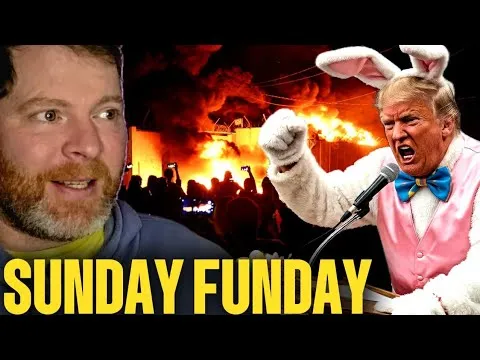
Trump’s Iran Threat Sparks Global Concern
On Easter Sunday, a day typically marked by peace and reflection, former President Donald Trump issued a fiery warning to Iran. He declared that Tuesday would be a day for power plants and bridges in Iran, vowing, “There will be nothing like it. Open the strait, you crazy bastards, or you’ll be living in hell.” This aggressive rhetoric, delivered on a significant religious holiday, has sent ripples of alarm across the international community. Many are questioning the wisdom and consequences of such volatile language from a prominent global figure.
Motivations and Interests: A Complex Web
Trump’s statements appear to stem from a desire to project strength and assert American dominance, particularly in the Middle East. His supporters often view a tough stance against Iran as a sign of strong leadership. However, this approach risks escalating tensions in an already volatile region. Iran, for its part, has its own strategic interests, including maintaining control over vital shipping lanes like the Strait of Hormuz and asserting its regional influence. Any direct confrontation could have severe economic and security implications for both nations and their allies.
The Role of American Politics and Religion
The timing of Trump’s remarks on Easter Sunday highlights a deeper critique within the transcript about the intersection of religion and politics in America. The author suggests a disconnect between the Christian message of peace and the aggressive foreign policy advocated by some leaders. This perspective argues that American Christianity has become a “bastardized ideology,” where religious holidays are overshadowed by talk of military action. The analysis points to a “cult of personality” surrounding political figures, where followers may overlook or rationalize aggressive actions due to unwavering loyalty.
Domestic Divisions and Economic Concerns
The transcript also touches upon the deep divisions within the American electorate. It criticizes both ardent Trump supporters, attributing their loyalty to distrust of mainstream media and a belief that such actions are typical of politicians, and mainstream Democrats. The author claims that while Democrats may express outrage over aggressive rhetoric, they often continue to support military spending, funded by the same donors. This suggests a system where genuine opposition to aggressive foreign policy is lacking, with politicians from both parties ultimately serving similar corporate and defense interests.
Economic anxieties are also a significant theme. The transcript warns of potential fuel shortages and price hikes, citing the disruption of oil shipments from the Strait of Hormuz. It predicts that Americans will face significant price increases at grocery stores, potentially leading to increased reliance on credit and deeper household debt. This paints a picture of a nation struggling with economic instability, where foreign policy decisions have direct and severe consequences for ordinary citizens.
Global Impact: A World on Edge
Why This Reshapes the World Order
Trump’s aggressive posture towards Iran, especially when delivered with such inflammatory language, has the potential to destabilize a critical global energy chokepoint. The Strait of Hormuz is vital for transporting oil from the Persian Gulf to the rest of the world. Any disruption there could cause oil prices to skyrocket, impacting economies globally. This not only affects energy supplies but also highlights a potential weakening of international cooperation and a return to more unilateral, confrontational foreign policy. Middle powers are reportedly distancing themselves from the U.S., seeking stability elsewhere as American leadership appears increasingly unpredictable.
Historical Context: Echoes of Past Conflicts
The situation echoes historical patterns of escalating rhetoric preceding military action. The reference to Iran’s potential “living in hell” and the threat to its infrastructure recalls past instances where strongman politics and threats against adversaries have led to prolonged conflicts. The author draws a parallel between current political dynamics and the historical role of the military-industrial complex, suggesting that defense contractors like Lockheed Martin and Raytheon profit from such tensions. The mention of potential war crimes implies a disregard for international law, a concern that has historically accompanied major geopolitical conflicts.
Economic Leverage: Sanctions and Dependencies
While not explicitly detailed in this segment, the implicit threat to Iran suggests a potential for renewed or intensified sanctions. These economic tools are often used by nations to pressure adversaries. However, Iran’s role as a significant energy producer means that any aggressive action or severe sanctions could disrupt global energy markets, affecting countries worldwide. The transcript also notes that even if hostilities ceased, the time it takes for oil tankers to reach their destinations means that fuel shortages could persist for weeks, impacting global supply chains.
Regional Alliances and Power Balances
The aggressive stance towards Iran could also impact regional alliances. While the U.S. has historically supported Israel, the transcript implies that even progressive Democrats align with corporate interests, including those supporting Israel. Conversely, if the U.S. is perceived as acting recklessly, it could alienate traditional allies and push regional powers to seek new partnerships, further shifting the global power balance away from American dominance.
Future Scenarios and Likelihood
Several future scenarios are possible. One is a de-escalation, where diplomatic channels are prioritized, and aggressive rhetoric is toned down. However, given the history of confrontational politics, this seems less likely. Another scenario involves heightened tensions, possibly leading to limited military engagements or increased economic pressure on Iran, with significant global economic fallout. A more extreme, though less probable, scenario involves direct military conflict, which would have catastrophic consequences for the region and the world. The transcript suggests a growing sense of disillusionment among Americans and a desire for self-sufficiency and community building as a response to perceived governmental failures and global instability.
Conclusion: A Nation at a Crossroads
The transcript paints a stark picture of a nation grappling with internal divisions, economic fragility, and a foreign policy that appears increasingly erratic and disconnected from its stated values. The author expresses deep concern over the direction of American leadership, suggesting that the country is functioning as intended by a system designed to extract resources from its citizens while fueling conflict abroad. The call for community and self-reliance reflects a profound loss of faith in existing political and economic structures, highlighting a critical moment for the United States on the global stage.
Source: MAGA’s Easter Sunday: Praying for the Apocalypse (YouTube)

Related Articles
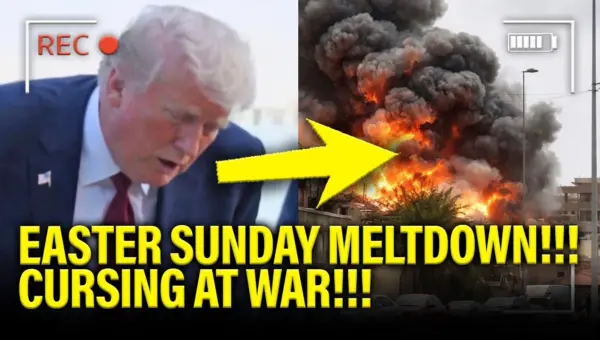
Trump’s Rhetoric Fuels Iran Tensions, Raises War Crime Alarms
Former President Donald Trump's aggressive Easter weekend social media posts directed at Iran have sparked international concern. His threats of military action and ultimatums, coupled with conflicting narratives about military engagements, have raised alarms about potential war crimes and a dangerous escalation of conflict. Critics accuse both Trump and segments of the media of downplaying the severity of his rhetoric.

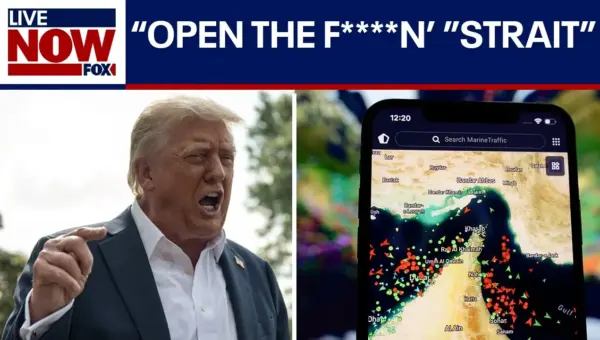
Trump Threatens Iran: “Open Strait or Live in Hell”
President Trump issued a severe warning to Iran, threatening "hell" if the Strait of Hormuz is not reopened, while U.S. forces successfully rescued a downed airman. Experts suggest potential escalation and regional realignments are unfolding.

Cuba Crisis Deepens: Fuel Blockade Sparks ‘Perfect Storm’
Cuba is facing a severe 'perfect storm' due to a U.S. blockade halting vital fuel deliveries, crippling its economy and daily life. A recent Russian oil shipment offers temporary relief, but the island nation grapples with widespread power outages and disrupted essential services.