Trump’s Rhetoric Fuels Iran Tensions, Raises War Crime Alarms
Former President Donald Trump's aggressive Easter weekend social media posts directed at Iran have sparked international concern. His threats of military action and ultimatums, coupled with conflicting narratives about military engagements, have raised alarms about potential war crimes and a dangerous escalation of conflict. Critics accuse both Trump and segments of the media of downplaying the severity of his rhetoric.

Trump’s Rhetoric Fuels Iran Tensions, Raises War Crime Alarms
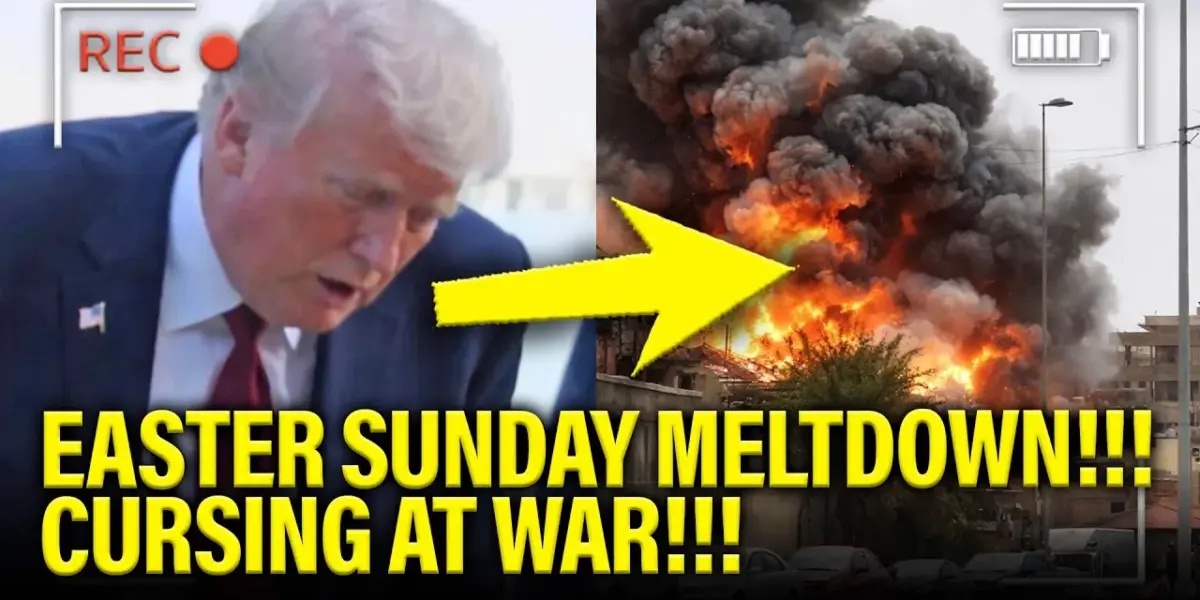
On Easter Sunday, former President Donald Trump’s social media posts ignited a firestorm of controversy, sparking alarms about escalating tensions with Iran and even potential war crimes. His messages, filled with aggressive language and ultimatums, were met with strong reactions from Iran and sharp criticism from various political figures. The situation highlights a complex and dangerous dynamic playing out on the global stage.
Easter Meltdown and Threats
Trump’s Easter messages were unusually stark. He posted a message that read, “Tuesday will be power plant day and bridge day all wrapped up in one in Iran. There will be nothing like it. Open the [expletive] straight, you crazy bastards, or you’ll be living in hell. Just watch.” He followed this with, “Praise be to Allah,” and insisted the message was real and not AI-generated. This came after a previous post stating, “Remember when I gave Iran 10 days to make a deal or open up the Hormoo Strait? Time is running out. 48 hours before all hell will rain down on them. Glory be to God, President Donald J. Trump.”
Iran’s leadership responded swiftly. Iranian officials stated that Trump was in despair and anger, repeating delusional claims. They also indicated that the Strait of Hormuz would remain closed until war damages were compensated under a new transit fee framework. This exchange painted a grim picture of ongoing conflict and miscommunication.
A Pattern of Deadlines and Denials
The pattern of these pronouncements is not new. Trump has a history of setting deadlines that pass without incident, only to issue new threats. He claimed to Axios that the U.S. and Iran were close to talks but pulled back due to delays, stating, “The negotiations are going very well now, but you never get to the finish line with the Iranians.” He also suggested people in Iran feared the U.S. would leave amid the conflict, assuring them, “we are not going to leave.”
However, the transcript strongly suggests these claims are untrue. Iran has consistently denied negotiating with Trump, calling his statements delusional. Iran’s non-negotiables include not giving up ballistic missiles, control over the Strait of Hormuz, or drones. They also demand security guarantees for allies like the Houthis and Hezbollah, along with full reparations for the war and U.S. military withdrawal from the Middle East. Only then would they consider negotiations.
Allegations of Market Manipulation and Military Claims
Trump’s latest self-imposed deadline was set for Monday morning, just before markets opened. Critics accused him of attempting to manipulate financial markets with these pronouncements. He also reached out to Fox News, telling a reporter that a deal could happen soon but warned of severe consequences if it failed. He threatened to “blow up everything over there” and “take over the oil,” promising that “bridges and power plants dropping all over their country.”
Meanwhile, reports emerged about military actions and their outcomes. While the Trump administration claimed success in rescuing an F-15E pilot shot down over Iran, details suggest a much different story. According to Iranian sources and military analysts, multiple U.S. aircraft, including C-130 transport jets, helicopters, and drones, were destroyed during the mission. Iran’s parliament leader shared photos of destroyed aircraft, sarcastically stating that “if the United States gets three more victories like this, it will be utterly ruined.” This starkly contrasts with the U.S. narrative of air superiority.
War Crimes Accusations and Media Sanitization
Trump’s direct threats to bomb Iran’s infrastructure and his statements to ABC News reporter Rachel Scott, where he said “very little is off limits” if a deal isn’t made, have led to accusations of bragging about war crimes. He suggested the conflict should be over in “days, not weeks,” warning of “punishment that’s going to rain down on them.” He even downplayed the need for American troops on the ground, though he didn’t rule anything out.
The handling of these events by corporate media has also drawn criticism. Some news outlets were accused of sanitizing Trump’s language, describing his threats as “unusually vivid” or “stylistic” rather than acknowledging their violent and potentially illegal nature. Critics argue this downplaying allows dangerous rhetoric to go unchecked, potentially normalizing threats of violence and war crimes.
Historical Context and International Reactions
This situation echoes past periods of high tension between the U.S. and Iran, particularly following the 1979 revolution. The ongoing conflict involves strategic waterways like the Strait of Hormuz, a vital chokepoint for global oil supplies. Trump’s approach, characterized by aggressive rhetoric and unilateral actions, stands in contrast to more traditional diplomatic efforts that often involve alliances and multilateral negotiations.
Trump’s questioning of NATO’s effectiveness also adds another layer to the geopolitical tensions. He described NATO as a “paper tiger” with no real power, suggesting he tested their willingness to get involved. This critique of established alliances further isolates the U.S. on the international stage and weakens collective security efforts.
Why This Matters
The rhetoric employed by Donald Trump carries significant weight due to his past presidency and potential future influence. His direct threats to destroy infrastructure and his casual discussion of potentially devastating military action raise serious questions about international law and the ethics of warfare. The normalization of such language, even if intended as negotiation tactics, can have dangerous consequences, escalating conflicts and creating a climate of fear and instability.
Furthermore, the alleged destruction of U.S. military assets and the conflicting narratives about the conflict highlight the importance of accurate information dissemination. The accusations of media sanitization suggest a need for more critical reporting that challenges official narratives and holds powerful figures accountable for their words and actions. The potential for miscalculation and unintended escalation in such a volatile region is immense, making clear communication and responsible rhetoric paramount.
Implications, Trends, and Future Outlook
The current situation points to several worrying trends. First, the use of social media for direct, aggressive diplomatic pronouncements bypasses traditional channels and can lead to rapid escalations. Second, the apparent disconnect between Trump’s claims and Iran’s stated positions suggests a significant risk of miscalculation. Third, the debate over war crimes and the media’s role in reporting on them is crucial for maintaining accountability.
Looking ahead, the future of U.S.-Iran relations remains precarious. Without a clear diplomatic strategy and a commitment to de-escalation, the risk of wider conflict persists. The international community will be watching closely to see if a path toward de-escalation can be found, or if aggressive rhetoric will continue to push the region closer to disaster. The need for clear, consistent, and lawful communication from all parties involved has never been more critical.
Source: Trump has PSYCHOTIC EASTER MELTDOWN and CURSES OUT WAR!!! (YouTube)

Related Articles

Trump Threatens Iran, Shaking Global Stability
Former President Trump's aggressive Easter Sunday warning to Iran has ignited global concerns, highlighting a volatile intersection of politics, religion, and foreign policy. The analysis explores the motivations behind such rhetoric, the deep divisions within American society, and the potential for severe economic and geopolitical repercussions worldwide.

Trump Threatens Iran: “Open Strait or Live in Hell”
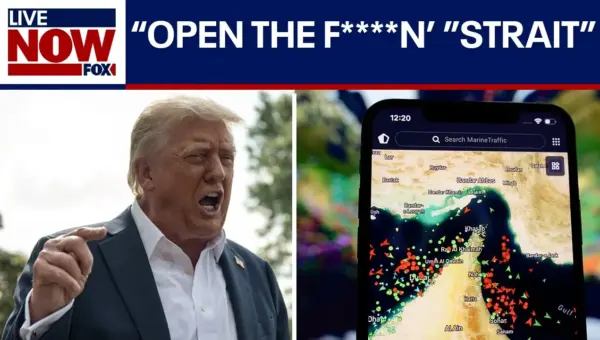
President Trump issued a severe warning to Iran, threatening "hell" if the Strait of Hormuz is not reopened, while U.S. forces successfully rescued a downed airman. Experts suggest potential escalation and regional realignments are unfolding.
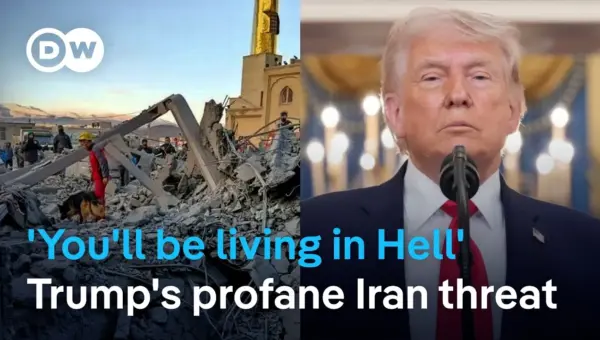
Trump’s Vulgar Iran Threat Sparks Global Outrage
President Donald Trump issued a highly profane threat against Iran via social media, warning of attacks on civilian infrastructure if the Strait of Hormuz was not opened. Experts suggest the outburst stems from frustration and desperation, while legal scholars warn of potential war crimes. The situation continues to escalate, with significant economic and political implications for the region.