US Forces Stage Daring Iran Rescue of Downed Pilot
Elite U.S. special forces executed a daring rescue of a downed F-15E pilot deep within Iran's Zagros Mountains. The operation involved multiple branches and aircraft, facing heavy resistance. President Trump confirmed the successful recovery, marking a significant behind-enemy-lines mission.

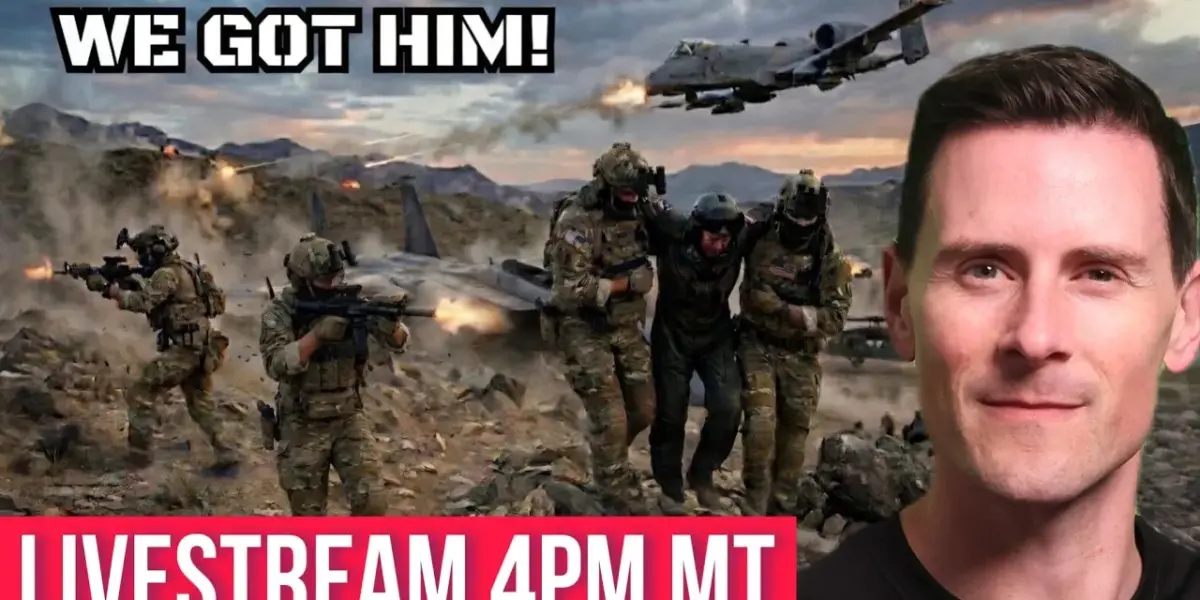
US Forces Stage Daring Iran Rescue of Downed Pilot
United States special operations forces conducted a high-risk rescue mission deep inside Iran to save a downed F-15E Strike Eagle pilot. The operation, dubbed ‘Operation Epic Fury,’ occurred on Day 37 and targeted the rugged Zagros Mountains near the city of Dehdasht. The pilot, a colonel serving as the aircraft’s Weapons Systems Officer (WSO), was successfully extracted following intense fighting.
Intense Combat Search and Rescue Mission
The mission involved a complex mix of elite military units and aircraft working together. Night Stalkers, known for their helicopter operations, deployed their “Little Bird” helicopters. Air Force Combat Search and Rescue (CSAR) specialists, often called PJs, were also on the ground. DEVGRU, an elite U.S. Navy SEAL unit, provided direct action support. The operation also saw support from A-10 Thunderbolt II “Warthog” ground-attack aircraft and MQ-9 Reaper drones, providing aerial reconnaissance and potential fire support. A less commonly discussed asset, the 427th Special Operations Squadron’s C-295W transport aircraft, also played a role in the complex operation.
Reports indicate the rescue force faced a significant firefight during the extraction. The transcript mentions a “massive firefight,” highlighting the dangerous conditions and the resistance encountered by the special operations teams. Despite the heavy engagement, all U.S. personnel involved in the rescue returned safely. No American lives were lost during the operation, a critical success factor in such high-stakes missions.
Presidential Confirmation and Strategic Significance
President Trump publicly announced the successful recovery, stating, “WE GOT HIM!” This public confirmation underscored the significance of the operation and the successful recovery of the downed airman. The rescue is being described as one of the boldest behind-enemy-lines extractions in modern U.S. military history.
What This Means on the Ground
This successful rescue mission demonstrates several key military capabilities. Firstly, it shows the U.S. military’s commitment to recovering its personnel, no matter the risk. The principle of “leave no one behind” is a core tenet of military operations, and this mission strongly reaffirms that commitment. Secondly, the operation showcases the advanced coordination required for complex Combat Search and Rescue (CSAR) missions. Integrating different branches and specialized units, from helicopters and attack aircraft to special forces and transport planes, requires extensive planning and flawless execution.
The location of the incident, deep within Iran, also highlights the operational reach of U.S. special operations forces. Operating in rugged terrain far from friendly territory presents significant logistical and tactical challenges. The use of assets like the MQ-9 Reaper drones suggests the mission was supported by extensive intelligence gathering and real-time surveillance, helping the rescue teams navigate the dangerous environment.
Historical Parallels
High-risk rescue operations are not new to U.S. military history. Missions like the Son Tay Raid during the Vietnam War, an attempt to rescue POWs from a North Vietnamese camp, or the rescue of Captain Scott O’Grady, an F-16 pilot shot down over Bosnia in 1995, share the same spirit of daring recovery operations. These missions often involve a similar blend of specialized units, air support, and confronting enemy forces in hostile territory. The success of this recent operation against the backdrop of a complex geopolitical situation echoes the bravery and dedication seen in past rescue efforts.
Geopolitical Impact
The successful rescue of a U.S. pilot from Iranian territory, especially during a period of heightened tensions, carries significant geopolitical weight. It serves as a potent signal of U.S. resolve and capability to project power and protect its personnel even in denied areas. Such operations can influence regional dynamics and perceptions of military strength. The involvement of multiple advanced military assets also underscores the technological sophistication employed by U.S. forces in critical situations.
Weapon Systems and Tactics
The operation involved a variety of specialized military hardware. The MH-6 Little Birds, operated by the Night Stalkers, are small, agile helicopters known for their speed and ability to operate in tight spaces, making them ideal for insertion and extraction in difficult terrain. The A-10 Thunderbolt II, or “Warthog,” is designed for close air support, with heavy cannons and armor to engage ground threats effectively. The MQ-9 Reaper is a remotely piloted aircraft used for surveillance, reconnaissance, and attack missions. DEVGRU operators represent some of the most highly trained counter-terrorism and special operations personnel in the world. The coordinated use of these diverse assets highlights modern military doctrine emphasizing joint operations and multi-domain capabilities.
Source: U.S. Special Forces INSANE Rescue of the F-15E WSO in Iran LIVESTREAM (YouTube)

Related Articles


Trump Threatens Iran, Shaking Global Stability
Former President Trump's aggressive Easter Sunday warning to Iran has ignited global concerns, highlighting a volatile intersection of politics, religion, and foreign policy. The analysis explores the motivations behind such rhetoric, the deep divisions within American society, and the potential for severe economic and geopolitical repercussions worldwide.

Trump’s Rhetoric Fuels Iran Tensions, Raises War Crime Alarms
Former President Donald Trump's aggressive Easter weekend social media posts directed at Iran have sparked international concern. His threats of military action and ultimatums, coupled with conflicting narratives about military engagements, have raised alarms about potential war crimes and a dangerous escalation of conflict. Critics accuse both Trump and segments of the media of downplaying the severity of his rhetoric.


Trump Threatens Iran: “Open Strait or Live in Hell”
President Trump issued a severe warning to Iran, threatening "hell" if the Strait of Hormuz is not reopened, while U.S. forces successfully rescued a downed airman. Experts suggest potential escalation and regional realignments are unfolding.