Trump Threatens Iran Over Strait, Claims Airman Rescued
President Trump issued a stark warning to Iran on Tuesday, threatening severe consequences if the Strait of Hormuz is not kept open. He also announced the successful rescue of a U.S. airman whose fighter jet crashed in Iran. The dual announcements highlight ongoing tensions in the region and U.S. military operations.

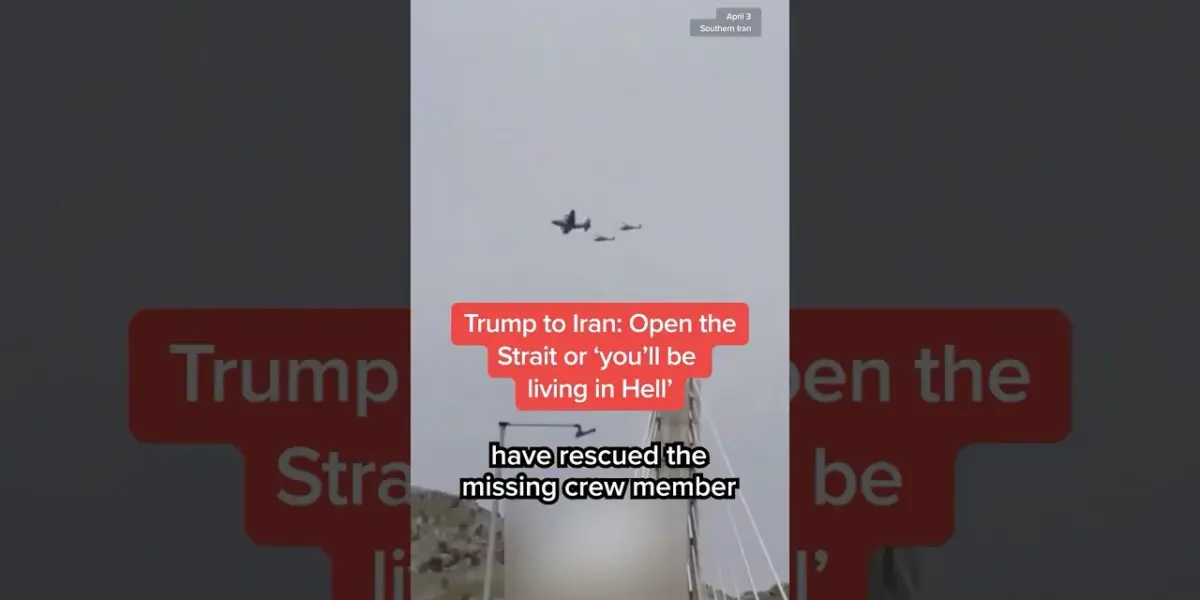
Trump Issues Stark Warning to Iran, Claims Airman Rescue
President Donald Trump issued a fiery threat to Iran on Tuesday, warning the country to “Open the F—-n’ Strait” or face severe consequences, which he described as “living in Hell.” The aggressive statement was posted on Trump’s social media platform, Truth Social. This warning comes amid ongoing tensions in the vital waterway, a key passage for global oil shipments.
In a separate post on the same platform, Trump also announced that the U.S. military had successfully rescued an American airman whose fighter jet crashed in Iran. Details surrounding the crash and the rescue operation remain scarce, but the announcement suggests a potential de-escalation in a specific military incident while tensions remain high diplomatically.
The Strategic Importance of the Strait
The Strait of Hormuz, a narrow waterway between the Persian Gulf and the Gulf of Oman, is one of the world’s most critical choke points for oil transportation. Approximately one-fifth of the world’s oil supply passes through this strategic passage daily. Any disruption or threat to shipping in the Strait of Hormuz can have immediate and significant impacts on global energy markets, leading to price spikes and supply concerns worldwide.
Iran has previously threatened to disrupt shipping in the Strait, a move that the United States and its allies have vowed to prevent. The U.S. Navy maintains a significant presence in the region to ensure freedom of navigation and deter any hostile actions. Trump’s strong language underscores the U.S. commitment to keeping this vital waterway open for international commerce.
Context of U.S.-Iran Relations
Relations between the United States and Iran have been fraught with tension for decades, marked by diplomatic disputes, economic sanctions, and occasional military confrontations. Under the Trump administration, tensions escalated significantly following the U.S. withdrawal from the Joint Comprehensive Plan of Action (JCPOA), commonly known as the Iran nuclear deal, in 2018.
The U.S. reimposed stringent sanctions on Iran, aiming to curb its nuclear program and reduce its influence in the region. This policy led to increased friction, including incidents involving naval vessels and drone downings in the Persian Gulf. The current threat from Trump appears to be a continuation of this hardline stance, emphasizing a willingness to use strong rhetoric and potentially military force to achieve U.S. foreign policy objectives.
The Airman Rescue: A Glimmer of Operational Success
While President Trump’s threats toward Iran dominated headlines, the announcement of the successful airman rescue offers a different narrative. The U.S. military regularly conducts operations to protect its personnel and assets in volatile regions. The swift recovery of the downed airman, if confirmed and detailed, would represent a significant operational success for the U.S. forces involved.
However, the lack of immediate details about the crash and the circumstances of the rescue leaves many questions unanswered. It is unclear if the rescue was a direct result of Iranian cooperation or a unilateral U.S. military operation that occurred despite Iranian presence. The President’s decision to announce both the threat and the rescue in close proximity on his social media platform highlights his characteristic communication style, often blending diplomatic threats with claims of military prowess.
Looking Ahead
The coming days will be crucial in understanding the full implications of President Trump’s statements. Global markets will be closely watching for any signs of increased activity or tension in the Strait of Hormuz. Diplomatic channels, though strained, will likely be engaged to de-escalate the situation and prevent miscalculations. Further details regarding the airman’s rescue and the circumstances of the jet crash are also anticipated, which could shed more light on the complex dynamics at play between the U.S. and Iran.
Source: Trump to Iran: Open the Strait or 'you'll be living in Hell' (YouTube)

Related Articles


Trump Threatens Iran, Shaking Global Stability
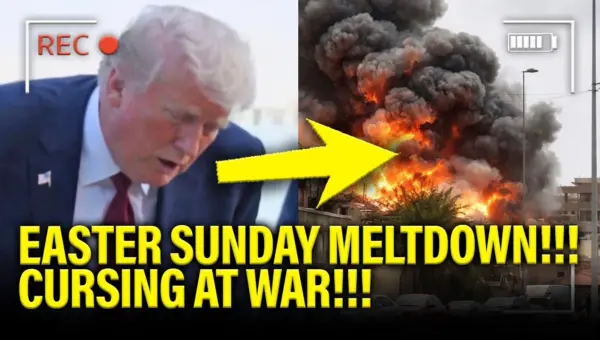
Former President Trump's aggressive Easter Sunday warning to Iran has ignited global concerns, highlighting a volatile intersection of politics, religion, and foreign policy. The analysis explores the motivations behind such rhetoric, the deep divisions within American society, and the potential for severe economic and geopolitical repercussions worldwide.
Trump’s Rhetoric Fuels Iran Tensions, Raises War Crime Alarms
Former President Donald Trump's aggressive Easter weekend social media posts directed at Iran have sparked international concern. His threats of military action and ultimatums, coupled with conflicting narratives about military engagements, have raised alarms about potential war crimes and a dangerous escalation of conflict. Critics accuse both Trump and segments of the media of downplaying the severity of his rhetoric.


Trump Threatens Iran: “Open Strait or Live in Hell”
President Trump issued a severe warning to Iran, threatening "hell" if the Strait of Hormuz is not reopened, while U.S. forces successfully rescued a downed airman. Experts suggest potential escalation and regional realignments are unfolding.