Artemis II: Moon Mission Continues, Honoring Apollo’s Legacy
The Artemis II mission is in its fifth day, marking a significant return to lunar exploration. Astronaut Charlie Duke honored the Apollo legacy, sending encouragement to the current crew as they entered the moon's sphere of influence. This mission is a vital step towards future lunar landings and beyond.

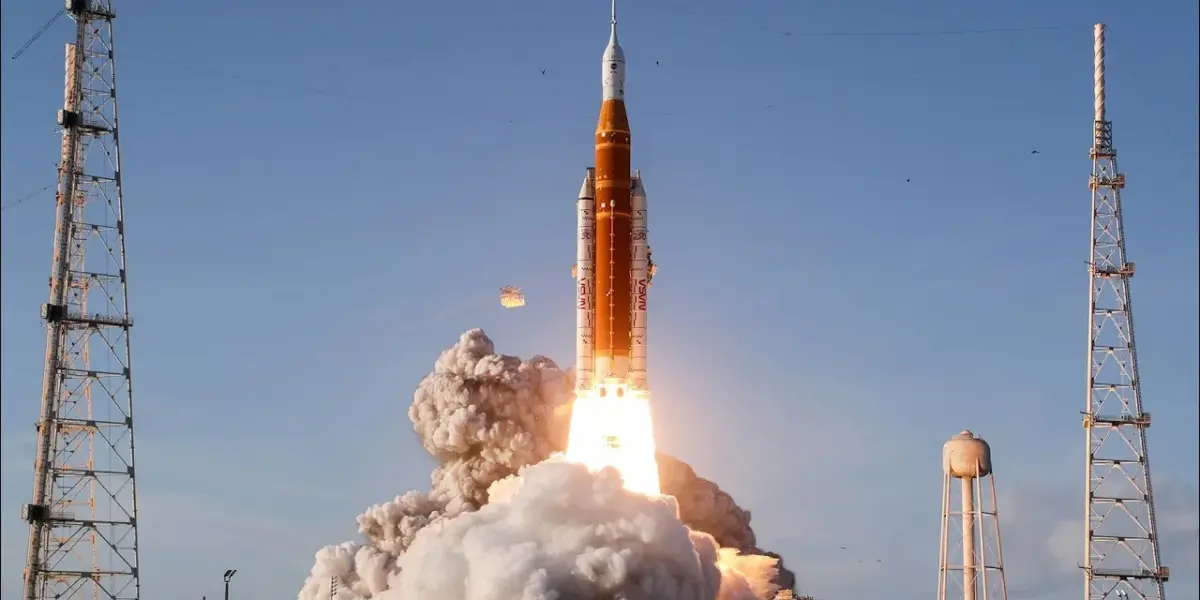
Artemis II Continues Journey, Building on Apollo’s Giant Leap
The Artemis II mission is well underway, with the crew aboard the Orion spacecraft, named ‘Integrity,’ now entering its fifth day of travel. This mission marks a significant step in America’s return to the lunar surface, building directly on the groundbreaking achievements of the Apollo program. The journey is not just a technological feat but a symbolic one, carrying the hopes and cheers of people across the globe.
A Nod to the Past, A Leap for the Future
The connection to the past was palpable on the fifth day of the mission. The Artemis II crew received a special wakeup call featuring the song ‘Working Class Hero’ by John Lennon. More importantly, the message included words from Apollo 16 astronaut Charlie Duke. Duke, who walked on the moon in 1972, shared a personal touch, mentioning a photo of his family he left on the lunar surface during his mission. He expressed his pride in seeing a new Orion spacecraft, similar to his own mission’s lunar module named ‘RAM,’ helping to bring humans back to the moon.
“I pray it reminds you that we in America and all of the world are cheering you on. Thanks to you and the whole team on the ground for building on our Apollo legacy with Artemis. Godspeed, safe travels home.”
– Charlie Duke, Apollo 16 Astronaut
Duke’s words underscored the continuity of human space exploration, emphasizing that Artemis is not starting from scratch but is a continuation of the legacy established by the Apollo astronauts. His message served as a powerful reminder of the human element behind these complex missions, connecting the past explorers with the current crew.
Entering the Lunar Sphere
As the mission progresses, a key milestone was reached on flight day five. The Artemis II spacecraft officially entered the moon’s sphere of influence. This event occurred during the crew’s pre-sleep period, precisely at a mission elapsed time of 4 days, 6 hours, 2 minutes, and 51 seconds. Being within the moon’s gravitational pull means the spacecraft is now significantly closer to its destination and its trajectory is more influenced by lunar gravity. This marks a critical phase, bringing the crew closer to performing their lunar flyby.
Why This Matters
The Artemis II mission is more than just a test flight; it’s a crucial precursor to future lunar landings and sustained human presence beyond Earth. By successfully sending a crew around the moon and back, NASA is validating the capabilities of the Orion spacecraft and its associated systems, including the Space Launch System rocket. This mission is vital for testing life support, navigation, and communication systems in a deep space environment. The success of Artemis II builds confidence and gathers essential data needed for the subsequent Artemis III mission, which aims to land astronauts, including the first woman, on the lunar south pole.
Historical Context and Future Outlook
The Apollo program, which ran from 1961 to 1972, saw twelve astronauts walk on the moon. It was a monumental achievement that captured the world’s imagination and demonstrated incredible technological prowess during the Space Race. Artemis represents a new era of lunar exploration, with different goals. Instead of a race, Artemis focuses on establishing a long-term presence, scientific research, and developing technologies for future missions to Mars. The involvement of international partners and commercial companies also sets Artemis apart from the Apollo era.
The current flight day five activities, including entering the moon’s sphere of influence, are carefully orchestrated steps. Mission Control in Houston, the central hub for these operations, monitors every aspect of the mission. The wakeup calls, the songs chosen, and the messages from former astronauts all play a role in maintaining crew morale and reinforcing the historical significance of their journey. As Artemis II continues its flight, it paves the way for bolder steps, not just back to the moon, but further into the solar system.
Source: LIVE: Artemis II Mission to the Moon Enters 5th Day (April 5) (YouTube)

Related Articles


Artemis II Crew Shares Stunning Moon Views from Deep Space
The Artemis II crew is traveling towards the Moon, sharing stunning images and historic interviews from deep space. For the first time since 1972, humans are venturing this far, experiencing breathtaking views and preparing to photograph the Moon's far side.


Artemis II Crew Nears Moon Amidst Toilet Troubles
The Artemis II crew is nearing the Moon, but not without facing technical challenges. Issues with the spacecraft's toilet system, suspected to be caused by ice, are being actively managed. Despite this, the astronauts are preparing for a historic lunar flyby, capturing unprecedented views and conducting scientific observations.


Trump’s Space Race Returns: Moon Mission Ignites Global Tensions
NASA's Artemis 2 mission marks a historic return to the Moon, while President Trump confronts Iran with increased military action and urges global partners to take a stronger stance. Domestic policy sees shifts in firearm regulations on bases and new initiatives for election integrity and public health.