Trump Escalates Threats Against Iran With ‘Hell’ Warning
President Trump announced the rescue of a missing U.S. airman from Iran, but simultaneously escalated his aggressive rhetoric towards Tehran. He warned of "power plant day and bridge day" and threatened Iranians would "be living in hell" if they don't comply with U.S. demands.

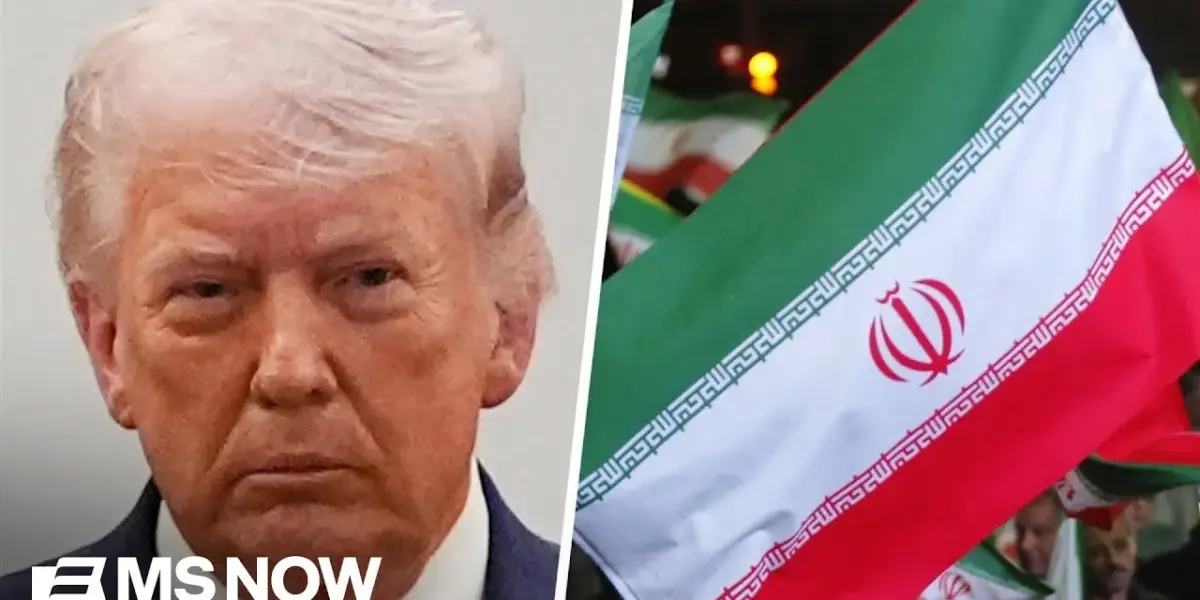
US Rescues Missing Airman as Trump Intensifies Iran Rhetoric
In a dramatic overnight operation, the United States successfully rescued an American airman who had been missing inside Iran since Friday. President Trump announced the successful mission via social media, stating the aviator was injured but expected to recover fully. A second crew member had been safely rescued earlier.
However, the positive news of the rescue was overshadowed by President Trump’s continued escalation of aggressive rhetoric towards Iran. In a post on his Truth Social platform on Easter morning, Trump declared that Tuesday would be a combined “power plant day and bridge day” in Iran, vowing, “There will be nothing like it.” He added, in a message directed at Iranian leaders, “Open the, quote, fucking straight, you crazy bastards, or you’ll be living in hell.”
Expert Concerns Over Trump’s Messaging
David Rode, a senior national security reporter for MSNBC, expressed deep concern over the president’s language. “I’m just very concerned,” Rode stated. While acknowledging the importance of the president’s success for the country, he believes the tweet reveals a “deep lack of understanding of Islam and of the region.”
Drawing on his own experience of seven months in captivity with Taliban jihadists, Rode argued that such threats are unlikely to intimidate Iran. “They want to die as martyrs. They are extremists,” he explained. Rode suggested that the way to counter extremists is by supporting moderate Muslims, who form the vast majority. He believes that threatening to bomb bridges and power plants, especially if done widely, could be considered a war crime and sets back efforts to weaken the Iranian regime.
“By posting this it’s not going to intimidate the Iranians, telling them they’re going to go to hell, won’t work,” Rode asserted. He likened the situation to a Muslim leader sarcastically invoking Christian phrases, which would be offensive. Rode concluded that the administration’s belief in achieving capitulation through threats and bullying, particularly with air power, is unlikely to succeed in Iran.
Legal Experts Weigh In on War Crime Concerns
The president’s threats come amid growing international legal scrutiny. An open letter signed by over 100 international law experts warned that U.S. strikes on Iran could violate the U.N. charter and potentially constitute war crimes. Retired Lieutenant Colonel Dan Maurer, a former JAG officer and associate professor of law, was among those who signed the letter.
Maurer explained the legal complexities surrounding attacks on civilian infrastructure. “Bombing a power plant or bombing a bridge is not necessarily a war crime in and of itself,” he stated. Generally, civilian infrastructure like bridges and power plants are protected. However, they can be targeted if they serve as a legitimate military objective, meaning they contribute to the enemy’s military advantage and attacking them provides a tactical advantage.
Maurer elaborated that even if civilian infrastructure is “dual use” (serving both civilian and military purposes), any attack must be proportional. The anticipated civilian damage cannot be excessive compared to the expected military advantage. This calculation is typically made by commanders at very high levels. “The law is well understood by the Jags who are advising these commanders,” Maurer noted, adding that declaring all bridges or power plants as potential targets is “very problematic and very concerning” because it suggests a lack of discrimination.
General Calls Trump’s Diplomacy ‘Unhinged’
Retired Four-Star General Barry McCaffrey described President Trump’s approach as “unhinged diplomacy with military power.” He expressed astonishment at the lack of media visibility into the details of military actions and the delayed explanations. “This is pretty nutty diplomacy with military power. I’ve never seen anything like this,” McCaffrey commented.
McCaffrey also referenced a video by six Democratic members of Congress, all veterans, reminding service members they should not follow unlawful orders. He suggested that given the president’s public statements and the legal considerations discussed, such directives could potentially be construed as unlawful orders.
Broader Implications and Future Outlook
President Trump’s increasingly hostile rhetoric towards Iran, including threats to inflict severe damage and bring the country back to the “stone ages,” follows a pattern of provocative statements. These threats have been amplified by recent actions, such as the strike on a bridge near Tehran that resulted in civilian casualties. The administration’s strategy appears to rely heavily on intimidation and the threat of overwhelming military force.
However, experts like David Rode and Dan Maurer suggest this approach may be counterproductive, potentially hardening Iranian resolve and violating international law. The situation remains tense, with the potential for further escalation. The coming weeks will be critical in determining whether diplomatic channels can be pursued or if military actions and aggressive rhetoric will continue to dominate U.S.-Iran relations.
Source: Trump warns of 'hell' for Iran unless it makes a deal (YouTube)

Related Articles

Trump Threatens Iran, Shaking Global Stability
Former President Trump's aggressive Easter Sunday warning to Iran has ignited global concerns, highlighting a volatile intersection of politics, religion, and foreign policy. The analysis explores the motivations behind such rhetoric, the deep divisions within American society, and the potential for severe economic and geopolitical repercussions worldwide.
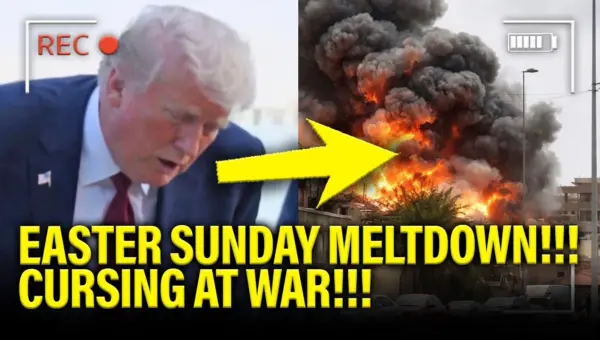
Trump’s Rhetoric Fuels Iran Tensions, Raises War Crime Alarms
Former President Donald Trump's aggressive Easter weekend social media posts directed at Iran have sparked international concern. His threats of military action and ultimatums, coupled with conflicting narratives about military engagements, have raised alarms about potential war crimes and a dangerous escalation of conflict. Critics accuse both Trump and segments of the media of downplaying the severity of his rhetoric.

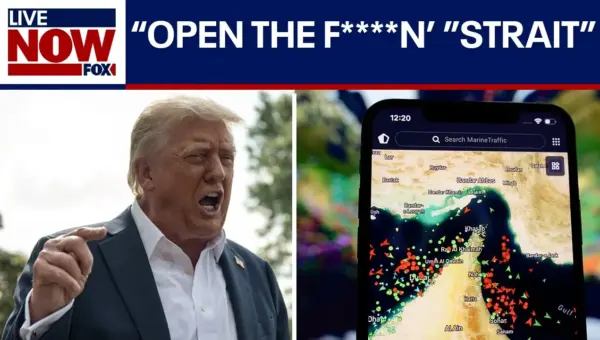
Trump Threatens Iran: “Open Strait or Live in Hell”
President Trump issued a severe warning to Iran, threatening "hell" if the Strait of Hormuz is not reopened, while U.S. forces successfully rescued a downed airman. Experts suggest potential escalation and regional realignments are unfolding.