US Commandos Stage Daring Rescue in Iran
U.S. special operations forces executed a daring rescue mission in Iran's Zagros Mountains to extract the second crew member of a downed F-15E fighter jet. The operation involved intense combat and the destruction of U.S. aircraft to prevent enemy capture.

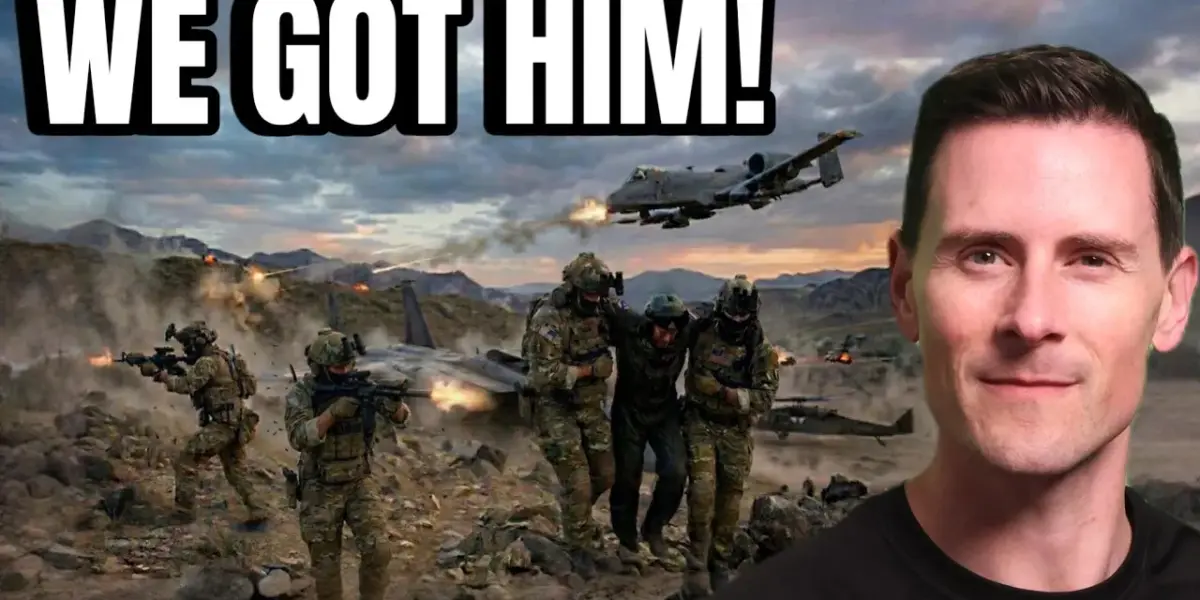
Elite U.S. forces conduct high-stakes mission to extract downed F-15E crew member from Iran.
In a dramatic display of military capability, U.S. special operations forces successfully rescued the second crew member of an F-15E fighter jet shot down over Iran. The operation, dubbed “Epic Fury,” took place on April 5th, 2026, marking a significant event in U.S.-Iran military interactions. This mission highlighted the U.S. commitment to recovering its personnel, even from deep within enemy territory.
Rugged Terrain Poses Extreme Challenge
The rescue operation occurred in the treacherous Zagros Mountains of southwestern Iran, near Dashot in Chamahar and Bktari province. This region is characterized by steep, jagged ridges over 7,000 feet high, deep valleys, and loose slopes. The difficult terrain, while offering concealment, made rapid movement and rescue efforts extremely challenging, especially for an injured individual being pursued by Iranian forces.
Intense Hunt and Counter-Hunt
Following the F-15E’s downing on April 3rd, 2026, both the pilot and the weapon systems officer (WSO), a colonel, ejected safely but were separated. The pilot was rescued the following day in an initial mission that faced incoming fire and sustained damage to its HH60W Jolly Green helicopters. The WSO, however, remained behind enemy lines, evading capture by the Islamic Revolutionary Guard Corps (IRGC) and local militias. The IRGC mounted an extensive search, reportedly offering significant cash bounties to locals for information or capture, turning the area into a high-stakes pursuit.
Special Operations Teams Mobilize
U.S. intelligence, including CIA assets, maintained constant surveillance on the colonel. Simultaneously, a specialized joint task force was assembled for the rescue. This force likely included elite units such as Air Force Special Warfare Pararescue (PJs), Naval Special Warfare Development Group operators, potentially Delta Force, Army Rangers, and Green Berets. These ground teams were supported by the 160th Special Operations Aviation Regiment, known as the Nightstalkers, flying MH6 and AH6 Little Bird helicopters for rapid insertion and fire support, and HH60W Jolly Green helicopters for combat search and rescue. Overhead, A-10 Thunderbolt II aircraft provided close air support, while MQ9 Reaper drones monitored the situation.
The Rescue Mission Unfolds
Under the cover of darkness on April 4th, the rescue package infiltrated deep into contested Iranian territory. Nightstalker helicopters inserted the special operations teams near the WSO’s location in the mountains. After linking up with the colonel, stabilizing him, and beginning extraction, Iranian forces closed in, triggering a massive firefight. U.S. forces employed heavy suppressive fire, supported by A-10s and Little Birds, to repel the attackers. The intense engagement, described as close-quarters combat, occurred in the Dashed area.
Exfiltration and Aircraft Destruction
Following the firefight, the rescue force, now including the WSO, moved to a remote, austere airfield for exfiltration. Multiple MC130J Commando II transports landed to extract the personnel. However, two of the MC130Js became bogged down in soft sand. With Iranian forces approaching, U.S. special operations teams destroyed these aircraft using demolition charges to prevent the capture of sensitive technology or equipment by Iran. Reports also mention burned-out Little Bird wrecks at the site, underscoring the ferocity of the engagement.
Three replacement aircraft, possibly C295W variants from the Air Force Special Operations Command’s 427th Special Operations Squadron, then arrived to transport the entire force, including the injured colonel, safely out of Iran. The operation concluded with all U.S. personnel accounted for, demonstrating a significant achievement in combat search and rescue.
Strategic Implications
This operation signifies a major escalation in the U.S.-Iran military dynamic. The successful extraction, despite heavy resistance and challenging terrain, showcases the advanced capabilities and high-risk tolerance of U.S. special operations forces. The extensive use of various aircraft, including specialized transport and attack platforms, highlights the sophisticated logistical and combat support required for such missions. The destruction of the bogged-down MC130Js also reflects a doctrine of denying enemy intelligence and propaganda gains. For Iran, the event represents a significant intelligence failure and a blow to its efforts to project regional power, while for the U.S., it reinforces its commitment to its personnel and its ability to project power deep into denied airspace.
Historical Parallels
The rescue operation echoes historical precedents of daring extractions in hostile territory, such as the Son Tay Raid during the Vietnam War or the rescue of Jessica Lynch during the Iraq War. These missions, while varying in context and outcome, share the common thread of high-risk, high-reward operations aimed at recovering personnel or achieving strategic objectives against formidable odds. The emphasis on joint special operations forces, advanced aviation assets, and intelligence gathering aligns with modern military doctrine for conducting complex operations in contested environments.
Conclusion
The rescue of the F-15E WSO represents a remarkable feat of military planning, execution, and bravery. It underscores the capabilities of U.S. special operations forces and their supporting units, demonstrating an unwavering resolve to bring personnel home. While the WSO sustained injuries, he is now in friendly territory, safe. This operation serves as a potent reminder of the U.S. military’s commitment to its warfighters and its ability to operate effectively in the most challenging environments.
Source: U.S. Special Ops EPIC Rescue of Downed F-15E WSO in Iran (YouTube)

Related Articles


Trump Threatens Iran, Shaking Global Stability
Former President Trump's aggressive Easter Sunday warning to Iran has ignited global concerns, highlighting a volatile intersection of politics, religion, and foreign policy. The analysis explores the motivations behind such rhetoric, the deep divisions within American society, and the potential for severe economic and geopolitical repercussions worldwide.
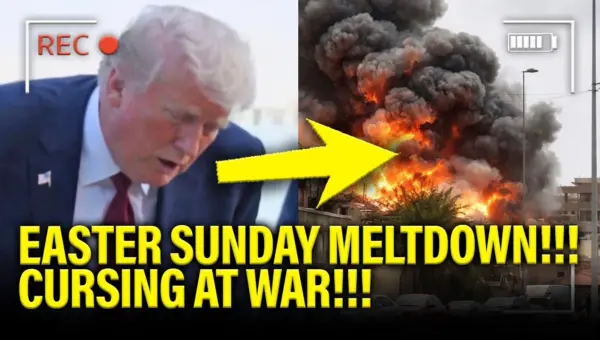
Trump’s Rhetoric Fuels Iran Tensions, Raises War Crime Alarms
Former President Donald Trump's aggressive Easter weekend social media posts directed at Iran have sparked international concern. His threats of military action and ultimatums, coupled with conflicting narratives about military engagements, have raised alarms about potential war crimes and a dangerous escalation of conflict. Critics accuse both Trump and segments of the media of downplaying the severity of his rhetoric.

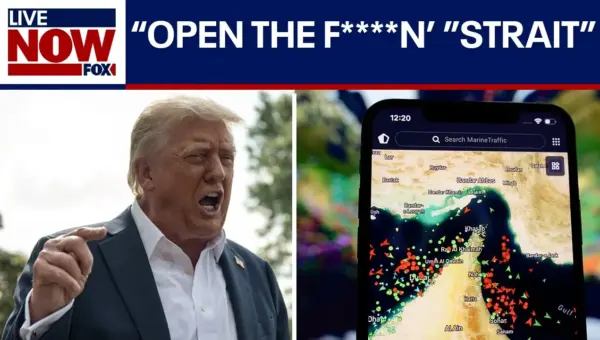
Trump Threatens Iran: “Open Strait or Live in Hell”
President Trump issued a severe warning to Iran, threatening "hell" if the Strait of Hormuz is not reopened, while U.S. forces successfully rescued a downed airman. Experts suggest potential escalation and regional realignments are unfolding.