10-Year-Old Tech: Still Usable or Ready for the Bin?
We tested 10-year-old tech from 2016, including gaming PCs, smartphones, consoles, and laptops. While the PlayStation 4 and upgraded PCs still hold up, older smartphones and laptops present security risks and performance issues, often being outperformed by modern budget devices.

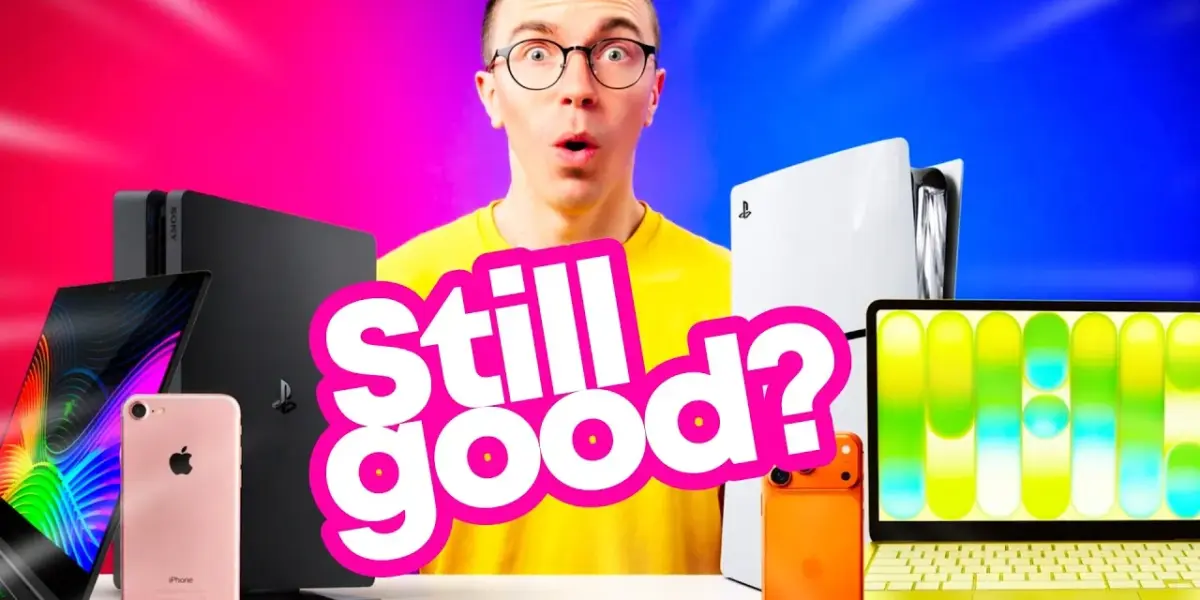
Ten Years Later: Can Your 2016 Gadgets Keep Up?
We all love new gadgets, but what happens to the tech we bought just a decade ago? Can your 2016 smartphone, gaming console, or laptop still handle daily tasks, or are they destined for the junk drawer? We put a range of popular devices from 2016 to the test to see if they’ve stood the test of time.
Gaming PC: A Tale of Two Upgrades
Starting with the heart of any gamer’s setup, we built a PC based on the most popular configuration from 2016. This wasn’t a brand-new system from that year, but rather a build simulating what an average user might have had, which was often a few years old even back then. We used a dual-core Intel Core i3-2120 from 2011 and a Radeon HD 7790 graphics card with just 1GB of VRAM.
Loading up Grand Theft Auto V, a demanding game from 2016, was a struggle. Running at a low 720p resolution, the system immediately maxed out its memory. While the frame rate landed in the 40s, the visual quality was poor, and the fans screamed under the strain. Counter-Strike 2, a more modern title, proved even tougher. Despite minimum specs being surprisingly low, our 2016 PC barely scraped by, often freezing for seconds at a time. It was, frankly, unplayable.
The big advantage of a PC, however, is its ability to be upgraded. We then swapped in a more capable CPU (Intel Core i7-3770K) and a much better GPU (Nvidia GTX 1660), costing around $120-$130 in upgrades. This transformed the experience. GTA V ran smoothly at over 100 FPS, and even CS2 was playable. For a total cost of maybe $250-$300, you get a system that can handle older games well. It’s a usable machine, though USB 2.0 ports feel dated.
Specs & Key Features (2016 Build)
- CPU: Intel Core i3-2120 (2011)
- GPU: AMD Radeon HD 7790 1GB (2013)
- RAM: 8GB
- Storage: Not specified
- Cooling: 240mm AIO with one fan
Specs & Key Features (Upgraded Build)
- CPU: Intel Core i7-3770K
- GPU: Nvidia GTX 1660
- RAM: 8GB
- Storage: Not specified
iPhone 6s: Fond Memories, Limited Future
The iPhone 6s, released in late 2015, represents the end of an era for iPhones. It still had a headphone jack and a physical home button, features many users miss. Despite its age, the hardware feels solid, and the smaller form factor is appealing, though the large bezels seem ancient now. We loaded up Pokemon GO and Slither.io, popular games from 2016.
Surprisingly, the iPhone 6s, running iOS 15, could still play these games. Pokemon GO worked, though catching a Natu was a bit laggy. Slither.io was also playable. However, the biggest issue isn’t performance, but security. This phone no longer receives security updates, making it risky to use for anything sensitive. While it holds nostalgic value and can run old apps, it’s not recommended for daily use in 2026.
Specs & Key Features (iPhone 6s)
- Display: 4.7-inch Retina HD
- Processor: A9 chip
- Storage: 16GB, 32GB, 64GB, 128GB options
- Operating System: Launched with iOS 9, supports up to iOS 15
- Features: Headphone jack, physical home button
PlayStation 4: Still a Solid Choice
The PlayStation 4, launched in 2013, was a dominant force by 2016, with the PS4 Pro and Slim models arriving that year. Games like 2016’s DOOM were highlights. Our testing showed that the PS4 holds up remarkably well. While most brand-new games have dropped support, a massive library of older titles and live service games like Fortnite still run without issue.
The value proposition is strong. You can find a launch model PS4 for under $100. It still functions perfectly as a Blu-ray player, and jailbreaking is an option for tinkerers. Compared to the Xbox One, which seems to have lost support faster, the PS4 feels like a better long-term investment for retro gaming. Even DOOM, after a lengthy 12GB disc install, played well, though our test unit did crash once, a classic 2016 moment. Overall, the PS4 is a great way to access a decade’s worth of optimized games.
Specs & Key Features (PS4 Launch Model)
- CPU: 8-core AMD Jaguar
- GPU: AMD Radeon
- RAM: 8GB GDDR5
- Storage: 500GB HDD (expandable)
- Optical Drive: Blu-ray
Laptops: A Mixed Bag
Laptops from 2016 present a more challenging picture. We looked at the Razer Blade Stealth and a 2016 13-inch MacBook Pro. The Razer Blade Stealth, designed for gaming via external GPUs, proved too slow for anything beyond basic web browsing. One unit we tested had a battery that ballooned and exploded, a common issue with older Razer laptops. Attempts to game on it resulted in immediate crashes and unplayably low frame rates.
The 2016 MacBook Pro, while featuring a sleek design with four Thunderbolt 3 ports, suffered from the infamous butterfly keyboard. These keyboards were notoriously unreliable, with dust easily jamming keys. While the hardware itself is still somewhat decent, the keyboard issues and slow performance make it a poor choice. You can find these for around $200, but for just a bit more ($200-$300), you can get a brand-new M1 MacBook Air, which is literally three to four times more powerful.
Specs & Key Features (2016 Razer Blade Stealth)
- Display: 12.5-inch
- Processor: Not specified, but low-end
- Graphics: Integrated Intel HD Graphics (designed for eGPU)
- RAM: Not specified
- Features: Thunderbolt 3 port
Specs & Key Features (2016 13-inch MacBook Pro)
- Display: 13.3-inch Retina
- Processor: Intel Core i5/i7 (6th Gen ‘Skylake’)
- Graphics: Intel Iris Graphics 540/550
- RAM: 8GB/16GB
- Ports: 4x Thunderbolt 3 (USB-C)
- Keyboard: Butterfly mechanism
The Verdict: Some Shine, Some Don’t
Ten years on, 2016 tech offers a mixed bag. Consoles like the PS4 remain surprisingly capable and offer great value. Gaming PCs can be revived with affordable upgrades to handle older titles. However, smartphones like the iPhone 6s, while nostalgic, pose security risks. Laptops from this era, especially the problematic Razer Blade Stealth and butterfly-keyboard MacBooks, are best avoided unless you have very basic needs, and even then, newer budget options are far superior.
While 2016 was a great year for technology, relying on its devices today requires careful consideration of performance, security, and the availability of much better, affordable alternatives.
Source: I Tried 10 Year Old Tech (YouTube)

Related Articles

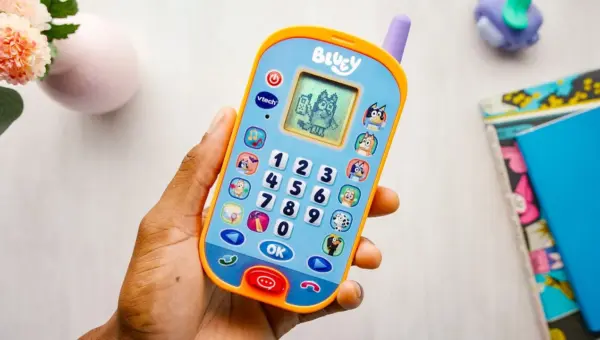
This $11 Phone Kills Smartphones
The VTEC Bluey phone, priced at just $10.99, redefines the minimal phone category. With its tiny black and white screen, no internet, and physical buttons, it actively discourages usage. This device is a bold statement against smartphone addiction.

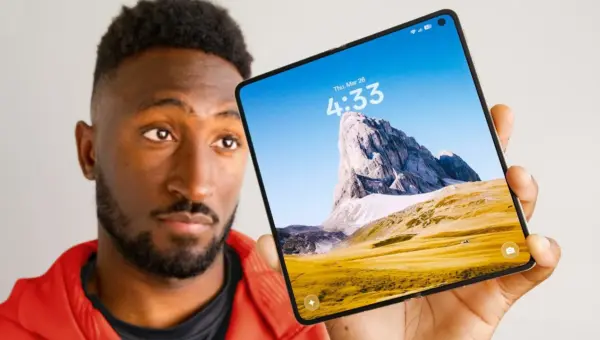
Oppo Find N6 Declares Foldable Phones Perfect
The Oppo Find N6 has arrived, and it might just be the perfect foldable phone. It addresses all the major compromises of previous foldables, offering a sleek design, powerful specs, and a virtually invisible crease. This sets a new benchmark for foldable technology.


Wish Tech: From Spy Watches to Laser Keyboards
We tested a bizarre collection of tech from Wish.com, including a Switch clone, a spy watch, a fake iPhone tablet, and a laser keyboard. While some items provided laughs, most proved to be low-quality and overpriced.