US Rescues Pilot Deep in Iran, Showcases Special Ops
A daring U.S. special forces rescue deep inside Iran showcased extraordinary capabilities and commitment. The mission, involving hundreds of personnel, successfully recovered a stranded service member, highlighting American resolve despite the risks of conflict. This event demonstrates U.S. military power while underscoring the ongoing dangers in the region.


US Rescues Pilot Deep in Iran, Showcases Special Ops
A daring overnight rescue mission deep inside Iran has highlighted the extraordinary capabilities of U.S. special operations forces. The operation successfully brought home a U.S. service member who had been stranded in a dangerous area. This mission is being described as a moment that shows America at its best, involving a complex plan and significant risk.
The Covenant of Risk
The rescue involved a vast network of military personnel. Aircrews flew deep behind enemy lines, and hundreds of others risked their lives to find and recover one individual. This included members of Delta Force, the Army, pilots from the 160th Special Operations Aviation Regiment, and A-10 pilots.
There was no guarantee any of them would return safely. However, they were all willing to risk everything to save their fellow service member. This willingness underscores a deep commitment within the military, often referred to as a covenant between those who carry out missions and those who ensure their return.
Mission Details and Iran’s Role
Reports suggest the service member, identified as a Colonel, climbed about 7,000 feet onto a ridge line. From there, he helped the Air Force bomb targets below, creating a clear zone. This allowed him to wait for a massive rescue package. This package included gunships, refueling aircraft, and helicopters carrying Delta Force pararescue teams.
There are unconfirmed reports that the U.S. may have had to destroy two planes at a remote airfield in Iran. It is unclear if any personnel were left behind in that scenario.
Demonstrating U.S. Special Operations Power
This successful mission provides a clear demonstration of U.S. special operations capabilities operating inside Iran. It suggests that President Trump may have more options for ordering ground-based operations in the future, given the success of this mission.
Broader Conflict and U.S. Response
While the rescue was a success, it comes at a time of heightened tensions. American forces were shot down for the first time in 20 years. The question now is how this incident affects the ongoing conflict in Iran and what the U.S. response will be.
Sources indicate that the immediate impact on the overall conflict might be limited. However, if the Colonel had been captured and paraded through Tehran, it could have significantly changed the situation, possibly leading to negotiations or further escalation.
A Rare Loss in a High-Success Rate Conflict
The U.S. has flown thousands of combat missions over Iran, with this incident marking the loss of only one aircraft over enemy territory in 20 years. This represents a success rate of over 99.9%. While this is an exceptional record, it also highlights that war is not a clean or sanitized activity.
The incident serves as a stark reminder that despite technological advantages and successful operations, the risks involved in military conflict are significant and the human cost can be high. The public has become accustomed to a more distant view of war, but this event brings the harsh realities closer.
Global Impact
This rescue mission has several implications for the global order. It showcases the advanced capabilities of U.S. special forces, potentially deterring adversaries. It also demonstrates a strong U.S. commitment to recovering its personnel, regardless of the risks involved. This can strengthen alliances and reassure partners.
However, the incident also underscores the fragility of the current geopolitical situation in the Middle East. The potential for escalation remains high, and such operations, while successful, can also provoke retaliatory actions. The economic implications, such as the impact of sanctions or the control of energy routes, are always a backdrop to these military actions.
Historical Context
The concept of high-risk rescue missions is not new. Throughout history, nations have undertaken dangerous operations to rescue captured or stranded personnel. This mission echoes past operations, such as the Iranian hostage crisis, where the success or failure of such missions had profound diplomatic and political consequences.
The willingness to commit significant resources and risk lives for a single individual speaks to a deeply ingrained military ethos. It also reflects a strategic calculation about the message it sends to both allies and adversaries regarding U.S. resolve and capability.
Economic Leverage
While not directly detailed in this specific event, economic factors are always present in such geopolitical standoffs. Sanctions against Iran, for instance, play a role in the broader strategic calculus. The U.S. uses economic tools to influence Iran’s behavior, while Iran may use its control over energy resources or trade routes as leverage.
The cost of such a complex military operation is also substantial, reflecting a significant investment in maintaining these specialized capabilities. This investment is justified by the strategic advantage they provide and the value placed on human life.
Future Scenarios
Several future scenarios could unfold. One possibility is that the successful rescue will deter further aggressive actions by Iran or its proxies, reinforcing U.S. strength. Another is that Iran may feel compelled to retaliate, leading to further escalation of tensions.
A third scenario involves a shift towards diplomatic solutions, possibly prompted by the clear demonstration of U.S. capabilities and the risks involved. The international community will likely watch closely to see how both sides react in the coming weeks and months.
Source: ‘America at its best’: Vittert reacts to rescue of service member (YouTube)

Related Articles
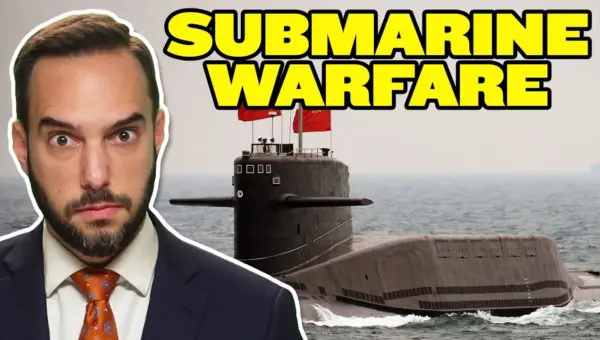
China Maps Seabed, Eyes Hawaii in Naval Power Play
China's extensive seabed mapping in the Pacific, particularly around strategic areas like Guam and Hawaii, is raising concerns about its preparation for submarine warfare. This effort, often disguised as scientific research, aims to enhance China's naval capabilities and challenge US dominance in the region.


Russia Faces Last-Ditch Offensive, Internal Cracks
Russia may be launching a final major offensive in Ukraine as it faces mounting internal pressures. Analysts suggest this push is a last resort before significant manpower and financial issues arise. Meanwhile, increasing domestic information control and official criticism highlight growing cracks within the Russian establishment.


Trump Threatens Iran, Shaking Global Stability
Former President Trump's aggressive Easter Sunday warning to Iran has ignited global concerns, highlighting a volatile intersection of politics, religion, and foreign policy. The analysis explores the motivations behind such rhetoric, the deep divisions within American society, and the potential for severe economic and geopolitical repercussions worldwide.