US Secretly Built Base, Blew Up Jets in Daring Iran Rescue
The U.S. military executed a daring rescue of a downed F-15 pilot from Iran, revealing the secret construction of a forward operating base near a key nuclear site. The mission concluded with the deliberate destruction of four U.S. aircraft to prevent them from falling into Iranian hands.

US Secretly Built Base, Blew Up Jets in Daring Iran Rescue
In a stunning display of military power, the United States recently conducted a highly successful rescue operation deep within Iran. The mission brought home a downed F-15 pilot who had been evading Iranian forces for nearly 48 hours. Details emerging from the operation reveal a complex and risky plan involving a secret forward operating base built extremely close to a key Iranian nuclear facility. The mission also ended with the destruction of several U.S. aircraft to prevent them from falling into enemy hands.
A Secret Base Near a Nuclear Site
The U.S. military established a covert air base just 40 kilometers (about 25 miles) from Esfahan, Iran’s most important nuclear facility. This location is also a strategic hub containing missile and army bases, and it houses Iran’s F-14 fighter jet fleet. The enriched uranium facility at Esfahan is considered a critical site for Iran’s nuclear program. This forward operating base was essential for launching the rescue mission and served as the staging point for the extraction.
The operation involved hundreds of special forces troops and dozens of U.S. military aircraft. These forces located the pilot on a mountainside and secured the area. As they moved in, any Iranian forces attempting to approach were met with overwhelming force. The rescue was a testament to the U.S. military’s ability to execute complex missions in hostile territory.
Destroying Aircraft to Deny Intelligence
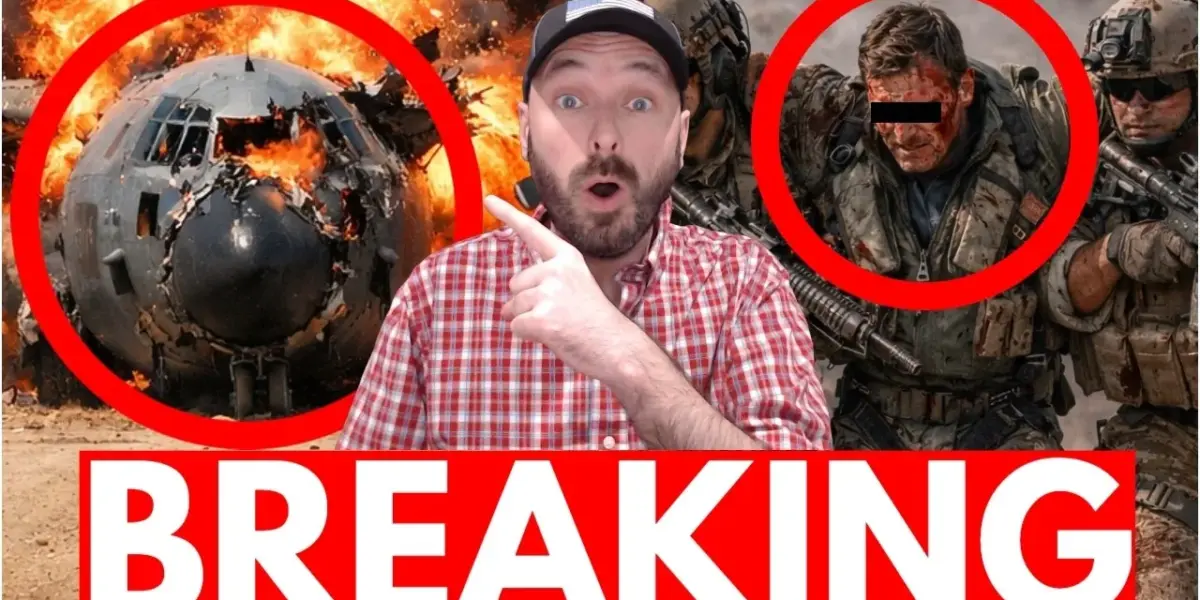
During the extraction, the U.S. military made the difficult decision to destroy four of its own aircraft. This was done to ensure that sensitive technology and equipment would not be captured by Iranian forces. Two Little Bird helicopters and two HC-130 Hercules transport planes were deliberately blown up. The transcript clarifies that these aircraft were not shot down by Iran but were destroyed by U.S. forces during the evacuation.
Reports indicate that the two C-130 planes became stuck in soft ground, making them impossible to move. The decision to destroy them was made to prevent Iran from gaining any advantage from their capture. Footage released shows the extensive damage to the aircraft, confirming their complete destruction.
Intense Air Support and CIA Deception
The rescue operation was supported by a massive show of force. U.S. officials confirmed that every tactical jet in the U.S. inventory, along with B-1 bombers, was used to provide air support. These powerful aircraft were deployed to engage any Iranian forces that approached the pilot’s location. The goal was to create a secure zone, ensuring the pilot’s safe return.
Adding another layer to the operation, the CIA employed deception tactics on the ground. These tactics aimed to mislead Iranian forces, making them believe the pilot had already been found. This likely bought valuable time for the U.S. forces to execute the rescue without immediate Iranian interference. The pilot, identified as a highly respected colonel, spent almost 48 hours evading capture while Iranian forces, and even civilians offered rewards for his capture, searched for him.
Historical Context and Implications
This mission marks a significant event in U.S. military history. It is reportedly the first time in recent memory that two U.S. pilots have been separately rescued from deep within enemy territory. The operation highlights the U.S. military’s advanced capabilities in special operations and intelligence gathering.
The presence of a secret U.S. base so close to Iran’s nuclear facilities raises serious geopolitical questions. It suggests a heightened level of U.S. intelligence and operational readiness in the region. The destruction of U.S. aircraft also underscores the high stakes involved in such missions and the lengths to which the U.S. will go to protect its personnel and technology.
Furthermore, former President Trump’s comments about the operation and his aggressive stance towards Iran suggest a potential for increased tensions. His remarks about expecting massive strikes on Iran if a deal is not reached, and his earlier statement about the U.S. sending weapons to Iranian protesters, indicate a potentially volatile future in U.S.-Iran relations.
Why This Matters
This rescue operation is more than just a successful military mission; it’s a powerful statement about U.S. resolve and capability. It demonstrates that the U.S. is willing to undertake extremely risky operations to bring its service members home. The strategic placement of the secret base near Iran’s nuclear site also signals a significant escalation in intelligence and operational presence in the region.
The incident brings renewed attention to the ongoing tensions between the U.S. and Iran. It highlights the complex web of military actions, intelligence operations, and political rhetoric that define their relationship. The destruction of U.S. aircraft also serves as a stark reminder of the costs associated with such high-stakes interventions.
Future Outlook
The details of this operation suggest a continued pattern of assertive U.S. military action in response to perceived threats or provocations. The emphasis on leaving no service member behind remains a core tenet of U.S. military doctrine. The geopolitical implications, particularly concerning Iran’s nuclear program and regional stability, will likely continue to unfold.
The aggressive tone set by former President Trump regarding potential future actions against Iran also points to a possible increase in confrontational diplomacy or military posturing. The effectiveness of such tactics and their impact on de-escalation or further conflict remain to be seen.
Source: U.S. Planes BLOWN UP On Iran Rescue Mission – Insane Details Released (YouTube)

Related Articles
China Maps Seabed, Eyes Hawaii in Naval Power Play
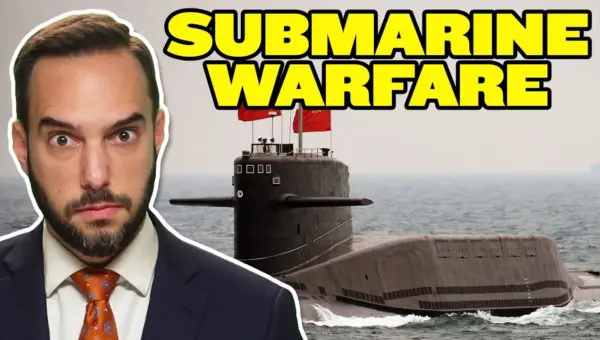
China's extensive seabed mapping in the Pacific, particularly around strategic areas like Guam and Hawaii, is raising concerns about its preparation for submarine warfare. This effort, often disguised as scientific research, aims to enhance China's naval capabilities and challenge US dominance in the region.


Russia Faces Last-Ditch Offensive, Internal Cracks
Russia may be launching a final major offensive in Ukraine as it faces mounting internal pressures. Analysts suggest this push is a last resort before significant manpower and financial issues arise. Meanwhile, increasing domestic information control and official criticism highlight growing cracks within the Russian establishment.


Trump Threatens Iran, Shaking Global Stability
Former President Trump's aggressive Easter Sunday warning to Iran has ignited global concerns, highlighting a volatile intersection of politics, religion, and foreign policy. The analysis explores the motivations behind such rhetoric, the deep divisions within American society, and the potential for severe economic and geopolitical repercussions worldwide.