Trump’s ‘Praise Allah’ Threat Sparks Global Fuel Crisis Fears
Donald Trump's aggressive threats against Iran, including a bizarre "Praise be to Allah" sign-off, have coincided with U.S. intelligence indicating Iran is strengthening its control over the Strait of Hormuz. This development is fueling fears of prolonged high gas prices and wider regional instability.

Trump’s ‘Praise Allah’ Threat Sparks Global Fuel Crisis Fears
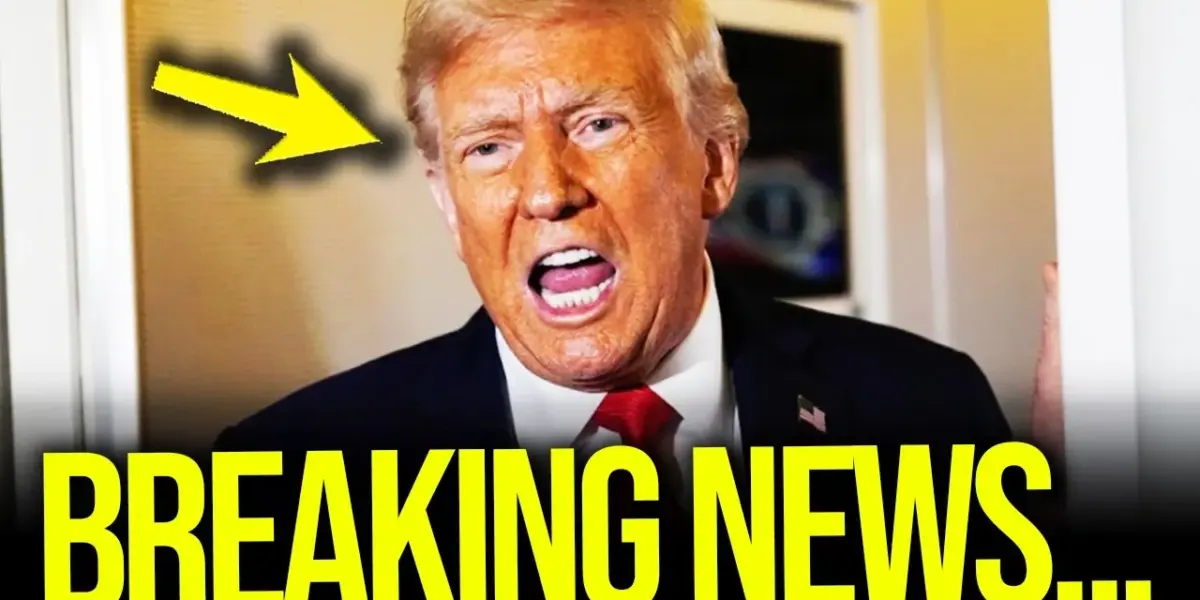
Donald Trump’s recent online outburst, including a jarring sign-off of “Praise be to Allah” on Easter morning, has ignited serious concerns about global stability and fuel prices. This controversial post, aimed at forcing Iran to reopen the vital Strait of Hormuz, has backfired, according to new U.S. intelligence. Instead of yielding, Iran appears to be strengthening its grip on the crucial waterway, potentially creating a lucrative new revenue stream and a powerful tool for regional influence.
Intelligence Reports Paint Grim Picture
U.S. intelligence reports suggest that the conflict with Iran has actually boosted its regional sway. The key to this newfound power is Iran’s control over the Strait of Hormuz. This strategic chokepoint, through which a significant portion of the world’s oil passes, is now seen as a more potent source of leverage than even nuclear weapons in the short term. Intelligence indicates Iran is unlikely to open the strait anytime soon, as it represents their strongest bargaining chip against the United States.
This situation presents a stark reversal of intended outcomes. The initial goals of the conflict, whatever they may have been – whether regime change or nuclear disarmament – seem to have been abandoned. The new objective is to reopen the Strait of Hormuz, essentially an effort to fix the complications arising from the original strategy. This shift suggests that the conflict has not gone as planned, leading to frustration and erratic responses.
Trump’s Volatile Response and Its Ramifications
In response to this intelligence and the ongoing closure of the Strait, Donald Trump issued a furious threat on his social media platform. He declared that “Tuesday will be power plant day and bridge day all wrapped up in one in Iran. There will be nothing like it.” He then added a vulgar demand to reopen the strait, followed by the perplexing and offensive sign-off, “Praise be to Allah.” This statement, made on Easter morning, has been widely criticized for its instability and potential to escalate tensions.
The language used in the post is so extreme that news anchors felt compelled to warn viewers to shield children from the broadcast. Destroying civilian infrastructure like power plants and bridges is considered a war crime under international law. While the administration might argue for a “dual-use” justification, their definition of military infrastructure is so broad that almost any facility could be targeted. This raises serious ethical and legal questions about the conduct of the conflict.
Economic Fallout: Rising Fuel Prices
The closure of the Strait of Hormuz is already having a significant impact on global markets. Gas prices are spiking, with San Francisco reporting an unprecedented average diesel price above $8 per gallon. This is compounded by direct attacks on refining capacity, such as the recent blaze at the Babco refinery following Iranian missile strikes. These attacks on fuel production facilities are likely to take longer to repair than disruptions to the strait itself, prolonging high fuel costs.
When combined with similar attacks on Russian refineries by Ukraine, the global fuel market faces a potentially severe price surge. Analysts warn that current high prices may be just the beginning, with further increases expected. This economic pressure affects everyone, from individual consumers to international trade, highlighting the far-reaching consequences of geopolitical conflict.
Historical Context and Future Outlook
The Strait of Hormuz has long been a critical artery for global energy supplies. Its strategic importance has made it a focal point in regional politics and conflicts for decades. The current situation echoes past tensions where control or disruption of this waterway has been used as a tool of leverage. However, the current intelligence suggests a more entrenched and potentially more profitable control by Iran than previously seen.
The volatile rhetoric and the apparent lack of a clear, achievable strategy raise serious questions about leadership and decision-making. The instability displayed is not only concerning for international relations but also for the internal political discourse. Allies and observers alike are likely questioning the coherence and stability of the decision-making process, especially as economic consequences begin to bite.
Why This Matters
This situation matters because it demonstrates how personal rhetoric and poorly conceived strategies can have profound global consequences. The Strait of Hormuz is not just a waterway; it’s a linchpin of the global economy. Disruptions there send ripples through every market, impacting everything from the cost of commuting to the price of goods. Furthermore, the use of inflammatory language and threats of war crimes by a leader, regardless of their position, erodes international norms and increases the risk of wider conflict.
The intelligence suggesting Iran is gaining leverage, rather than being cowed, highlights the potential for unintended consequences in foreign policy. It underscores the need for carefully considered strategies that account for complex regional dynamics. The economic fallout, particularly the surge in fuel prices, directly affects the daily lives of millions and can destabilize economies. The erratic communication style also raises concerns about the reliability and predictability of key global actors, making international relations more precarious.
Source: Trump Screams and Spits as WAR BACKFIRES (YouTube)

Related Articles
China Maps Seabed, Eyes Hawaii in Naval Power Play
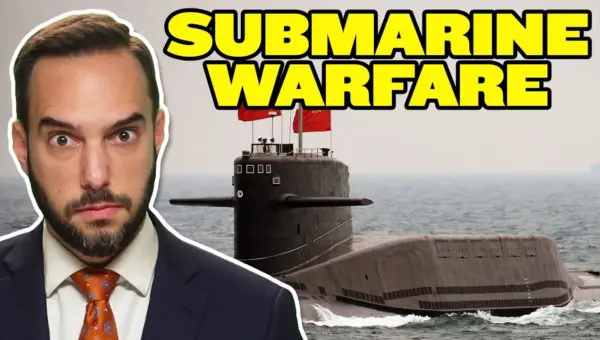
China's extensive seabed mapping in the Pacific, particularly around strategic areas like Guam and Hawaii, is raising concerns about its preparation for submarine warfare. This effort, often disguised as scientific research, aims to enhance China's naval capabilities and challenge US dominance in the region.
Russia Faces Last-Ditch Offensive, Internal Cracks
Russia may be launching a final major offensive in Ukraine as it faces mounting internal pressures. Analysts suggest this push is a last resort before significant manpower and financial issues arise. Meanwhile, increasing domestic information control and official criticism highlight growing cracks within the Russian establishment.


Trump Threatens Iran, Shaking Global Stability
Former President Trump's aggressive Easter Sunday warning to Iran has ignited global concerns, highlighting a volatile intersection of politics, religion, and foreign policy. The analysis explores the motivations behind such rhetoric, the deep divisions within American society, and the potential for severe economic and geopolitical repercussions worldwide.