GOP Voters Reject Party’s Messengers Amid Rising Discontent
Republican canvassers are reporting intense frustration as registered voters reject them, even threatening to call the police. This discontent highlights a potential disconnect between the party's message and the real-life struggles of its base, raising concerns about voter turnout and the party's future.

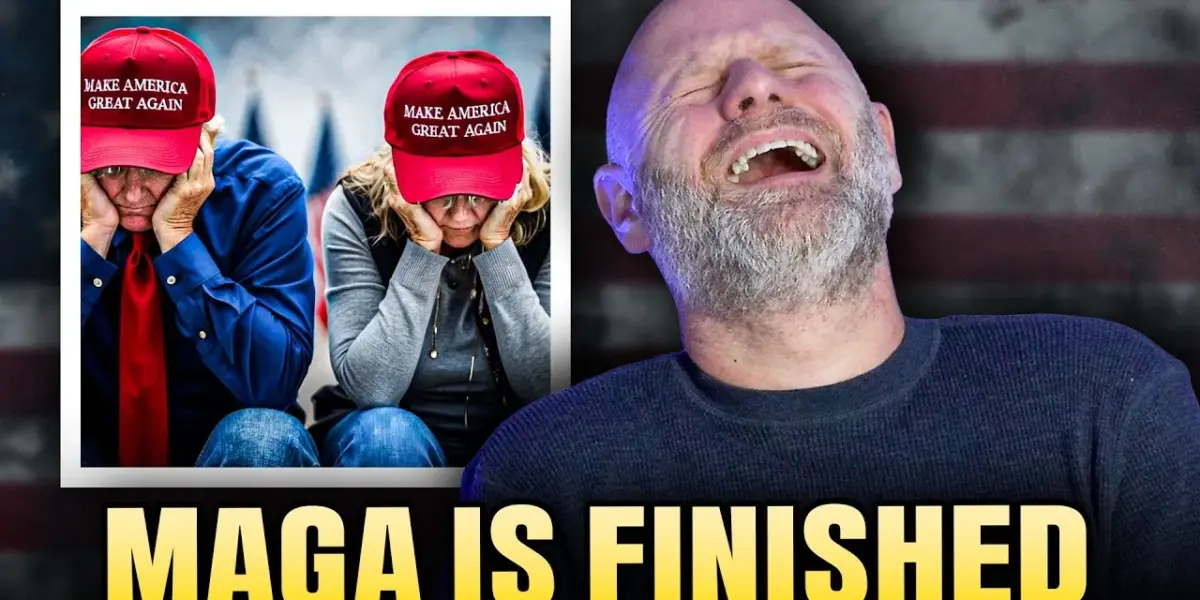
GOP Voters Reject Party’s Messengers Amid Rising Discontent
Republican canvassers, the foot soldiers of political campaigns, are facing a harsh reality on the ground. A recent report highlights that these dedicated party members are experiencing significant frustration, not just with their demanding jobs, but with their own party and even their fellow registered Republican voters. This widespread discontent suggests a deep rift within the party, impacting its ability to connect with its base.
The core of the problem appears to stem from dissatisfaction with former President Donald Trump. His approval ratings on various issues and overall are reportedly at historic lows, even among Republicans. Many within the party are unhappy with the current direction, expressing anger over issues like the ongoing conflict in Iran and rising gas prices. The lingering economic concerns, despite promises that prices would fall, are clearly taking a toll on voters.
Door-to-Door Disappointment
As the midterm elections approach, Republican canvassers are tasked with energizing voters and ensuring they head to the polls. Their efforts, however, are being met with unexpected hostility. These canvassers are specifically targeting homes of registered Republicans, yet they report being met with outright rejection. Many voters are telling them to leave their property, with some even threatening to call the police.
Craig Berland, chair of the Maricopa County, Arizona Republican Party, shared his observations. He noted that while he doesn’t believe this will stop Republicans from voting for the party, it could significantly impact voter turnout. “We’re even going around canvassing neighborhoods and registered Republicans are yelling out the door, go away or I’m calling the police,” Berland stated, finding the situation discouraging.
Similarly, Todd Gilman, chair of the Monroe County Republican Party in Michigan, expressed concern about how current issues might affect the midterms. He specifically mentioned the unclear endgame regarding Iran and the persistent problem of high gas prices. Both Gilman and Berland acknowledged worries about turnout, but the commentary suggests a focus on the electoral impact rather than the underlying suffering of the voters.
A Party Focused on Itself?
The analysis points to a critical difference in perspective. While voters are experiencing real hardship due to rising costs and other concerns, the party leadership seems more preoccupied with how these issues will affect their electoral success. This contrasts sharply with how the party might have responded in the past, for instance, during Trump’s first year when prices were also rising. Back then, the narrative often involved dismissing price increases as Democratic lies or hoaxes.
Now, however, as these same economic pressures affect voters and potentially the party’s chances, the concern is framed around electoral consequences. The argument is that the Republican Party is not adequately addressing the actual suffering of its voters. Instead, the focus is on how that suffering might translate into fewer votes for the party, leading to a perception of self-interest rather than genuine empathy.
Why This Matters
This internal conflict within the Republican party is significant for several reasons. Firstly, it highlights a potential disconnect between party leadership and the everyday concerns of its base. If registered voters are actively hostile towards party representatives knocking on their doors, it suggests a deeper dissatisfaction that goes beyond policy debates. This could translate into lower voter engagement and ultimately, affect election outcomes.
Secondly, it raises questions about the effectiveness of traditional campaign tactics. In an era of digital communication and increasing voter apathy, the door-knocking canvasser is a crucial link between the party and the voter. When this direct interaction becomes a source of conflict, the party’s ability to mobilize its supporters is severely hampered. The frustration experienced by canvassers is a symptom of a larger problem: a potential erosion of trust and support among the very people the party aims to represent.
Historical Context and Future Outlook
Political parties have always faced the challenge of maintaining voter enthusiasm and loyalty. Historically, midterms often serve as a referendum on the sitting president and the party in power. However, the current situation appears more complex, with dissatisfaction directed not just at the opposing party but also at key figures within the Republican party itself.
The increasing hostility towards canvassers could be an indicator of broader trends. Voters may feel ignored or that their immediate needs are secondary to political maneuvering. If this sentiment continues to grow, it could lead to a realignment of political allegiances or a significant drop in participation. The future outlook for the Republican party may depend on its ability to address the root causes of this voter discontent. Simply focusing on how voter suffering impacts election results, rather than on alleviating that suffering, might prove to be a failing strategy in the long run.
The coming elections will be a crucial test. If the party cannot mend this apparent rift and reconnect with its base on a more personal and empathetic level, the challenges faced by its canvassers on doorsteps could foreshadow larger electoral defeats.
Source: GOP Canvassers Are Absolutely Hating Their Lives Right Now (YouTube)

Related Articles

GOP Rep Stumbles on Iran Policy Amidst War Confusion
A Republican congressman struggled to explain Iran's continued control over the Strait of Hormuz on live TV, raising questions about U.S. foreign policy clarity. The interview highlighted the complex reality of Iran's military capabilities, particularly its IRGC Navy, and the ongoing challenges in global trade security.

Trump’s Budget Plan Sparks Outrage, Strains Party
Donald Trump's proposal for a $1.5 trillion defense budget, nearly double current spending, is drawing sharp criticism. The plan involves deep cuts to domestic programs like healthcare and education, contrasting with his past calls for ending foreign wars.

Kash Patel’s Job on Shaky Ground Amidst Trump’s Vanity
Whispers suggest Kash Patel's role in Trump's circle is at risk, potentially due to vanity and appearance concerns rather than policy. This highlights how image can influence political appointments, alongside broader trends of retiring politicians and the search for new presidential candidates.