Vance Visits Hungary: A ‘Model’ for Trump’s America?
Vice President J.D. Vance's visit to Hungary signals support for Prime Minister Viktor Orban, raising questions about the U.S. embrace of Orban's governance model. Expert Anne Applebaum criticizes the move, linking it to a MAGA agenda for a European right-wing alliance and highlighting Orban's record of corruption and authoritarianism. The visit occurs amid concerns about Hungary's alignment with Russia and its impact on NATO cohesion.

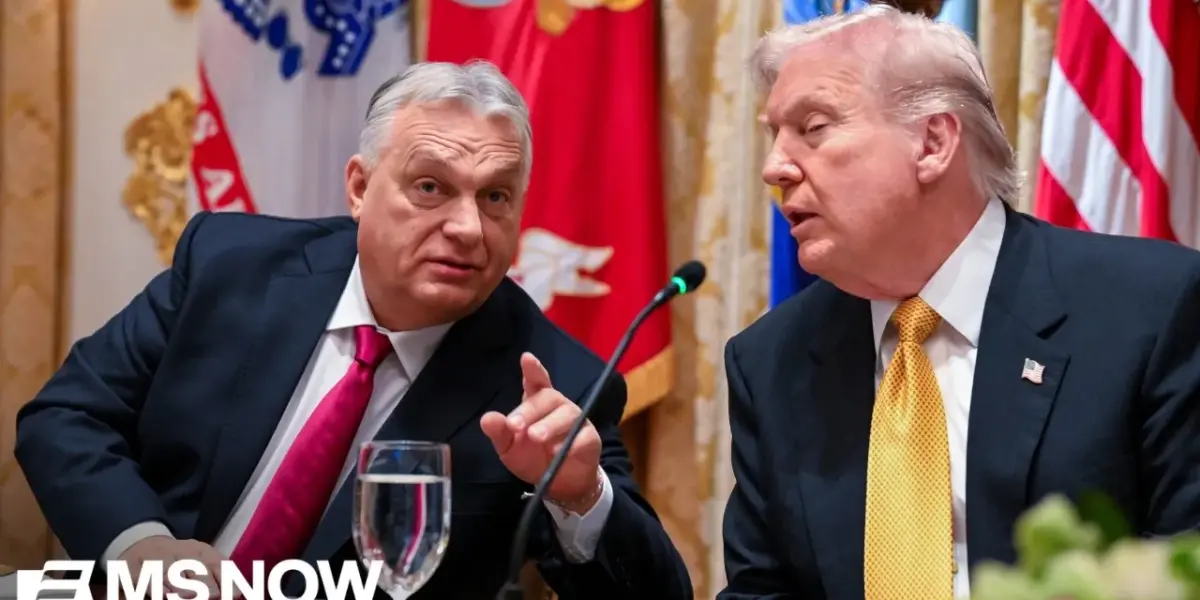
Vance Travels to Hungary, Signaling Support for Orban
Vice President J.D. Vance is set to visit Hungary, a move seen as a significant show of support for Prime Minister Viktor Orban. This visit comes just days before Hungary’s national election, where Orban faces a strong challenge from center-right candidate Peter Magyar, according to recent polls. President Trump has already publicly endorsed Orban, a leader who has faced international criticism for his governance style.
The timing and nature of Vance’s visit have drawn attention, as overt political endorsement of a foreign leader by an American official goes against a long-standing tradition of U.S. administrations generally avoiding interference in other nations’ domestic politics. Vance, however, has previously made waves in Europe for his expressed support of right-wing political movements.
Expert Views on the Visit’s Meaning
Anne Applebaum, a staff writer for The Atlantic and author of “Autocracy Incorporated: The Dictators Who Want to Run the World,” shared her perspective on Vance’s decision. She suggested that the visit highlights a focus within a segment of the Trump administration and the broader MAGA movement on reshaping European governments to build a right-wing alliance. Applebaum believes this goal may take precedence over addressing domestic issues within the United States.
“I think it shows the degree to which Vance and a small part of the Trump administration and maybe a larger part of the MAGA movement care more about changing the governments of European countries in order to build a MAGA far-right alliance in Europe and maybe South America, then they care about the domestic problems of the United States.”
Hungary Under Orban: Corruption and Control
Applebaum described Hungarian Prime Minister Viktor Orban, who has led the country for 16 years, as potentially the most corrupt leader in Europe. She noted that Hungary is among the poorest nations in the European Union. Over his tenure, Orban has systematically taken control of state institutions, including the judiciary, media, and bureaucracy, leading to a country marked by poverty and corruption.
Despite these issues, Vance views Hungary as a potential model for the United States. Applebaum’s book explores the concept of authoritarianism, suggesting a connection between the current U.S. administration’s perceived leanings and Orban’s model of governance. Vance’s actions indicate a desire for closer ties with countries adopting similar political approaches.
Orban’s Policies and Their Echoes in the U.S.
The transcript highlighted several of Orban’s policies and actions that have drawn criticism:
- In 2023, Orban reportedly threatened political opponents with accusations of foreign influence.
- In 2020, Hungary banned same-sex couples from adopting children.
- Since 2018, Orban has referred to refugees as “Muslim invaders.”
- Hungary passed the “Stop Soros” laws in 2018, which restrict aid to undocumented immigrants.
These policies, according to Applebaum, bear similarities to elements found in initiatives like Project 2025 in the United States and positions advocated by some U.S. political figures. She stated that Project 2025 was partly inspired by the Hungarian experience and that interactions between the MAGA movement and the Hungarian government are evident. This radical movement seeks like-minded governments globally, aiming for transformative change towards what Orban terms “illiberal democracy” – a system where one party dominates state institutions and the opposition cannot realistically win.
Challenges to Orban’s Rule
While Orban’s model has been effective for him over the years, Applebaum noted that it is currently facing challenges. Hungary’s economic struggles and visible corruption, including alleged schemes involving the Prime Minister’s son-in-law and his associates, are becoming apparent to the Hungarian public. This dissatisfaction may be contributing to the current electoral challenges Orban faces.
Orban’s Campaign Strategy: A Post-Reality Approach
Intriguingly, Orban’s current election campaign is not focused on Hungary’s domestic issues like healthcare or the economy. Instead, he is reportedly campaigning on a fabricated threat of invasion from Ukraine. This narrative suggests that Ukrainians, despite their ongoing conflict with Russia, are planning to invade Hungary.
Recent reports of explosives found on a pipeline entering Hungary are expected to be used by Orban to further this narrative, blaming Ukrainians. In Budapest, campaign materials reportedly show images of President Zelensky with slogans questioning his intentions. Applebaum characterized this as a “post-reality campaign,” where Orban is winning not on policy but on a manufactured crisis.
Impact on NATO Cohesion
The visit by Vice President Vance on the eve of the Hungarian election raises concerns about the cohesion of NATO. Hungary is increasingly viewed within NATO and the European Union as being aligned with Russia. The country has obstructed sanctions against Russia and blocked aid to Ukraine.
Support for Orban from figures like Vance, and previously from Senator Marco Rubio, along with Trump’s video messages of support, is interpreted by some as backing Russia’s actions in Ukraine and its broader agenda in Europe. This situation complicates U.S. relations with its European allies and contributes to their preparedness for potential shifts in the transatlantic alliance.
Applebaum concluded that Vance’s visit is seen as de facto support for Russia, further straining relationships. She emphasized the importance of understanding these dynamics for the future of international alliances.
Source: Viewing Hungary as ‘model’ for U.S.: What Vance’s visit with Vicktor Orban means for Trump’s America (YouTube)

Related Articles


Trump’s Birthright Citizenship Plan Risks Undoing Progress
Kermit Roosevelt III, a constitutional law professor, argues that Donald Trump's challenge to birthright citizenship echoes post-Civil War efforts to undermine civil rights. The debate centers on the 14th Amendment's "subject to the jurisdiction" clause, with Roosevelt asserting the administration's interpretation is historically inaccurate and legally unsound. He believes the Supreme Court will likely reject the argument, but warns of broader implications for national identity and civil rights.

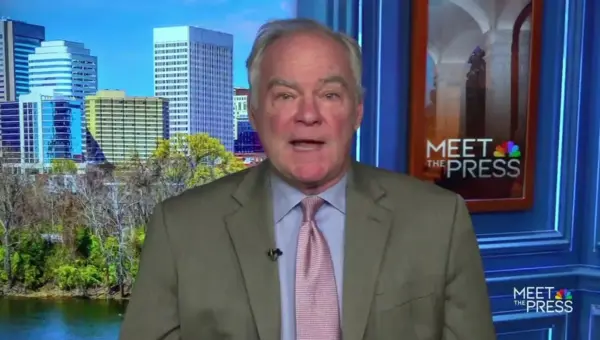
Kaine Urges Trump to Tone Down War Rhetoric After Iran Jet Downing
Senator Tim Kaine has called on President Trump to "dial back the rhetoric" following the downing of a U.S. jet in Iran, warning that aggressive language puts pilots at risk. Kaine also expressed concerns over the rationale for the current conflict and questioned a proposed $1.5 trillion military budget increase. He emphasized the need for congressional approval for war and expressed confidence in Congress's ability to block any unilateral withdrawal from NATO.

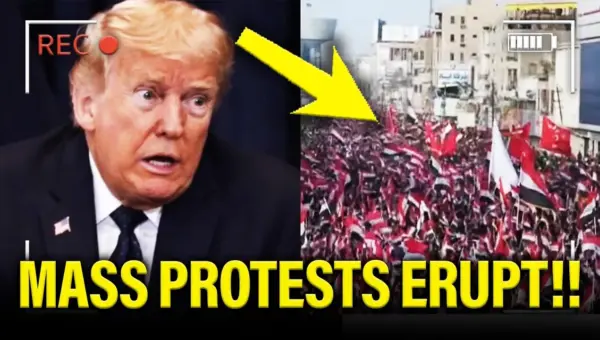
Protests Explode Across Middle East Amid War Escalation
Millions are protesting across the Middle East against the Trump and Netanyahu administrations. Large demonstrations in Baghdad, Syria, Yemen, and even Tel Aviv show widespread opposition to the ongoing war. Analysts criticize the aggressive rhetoric and strategy, warning of further escalation and regional instability.