Trump’s $1B Bribe Fuels Fossil Fuels Over Green Energy
A $1 billion U.S. taxpayer bribe reportedly steered French company Total Energies from building wind farms to drilling for natural gas in Texas. This move faces criticism for potentially harming the environment, distorting energy markets, and contradicting the interests of domestic fossil fuel companies.

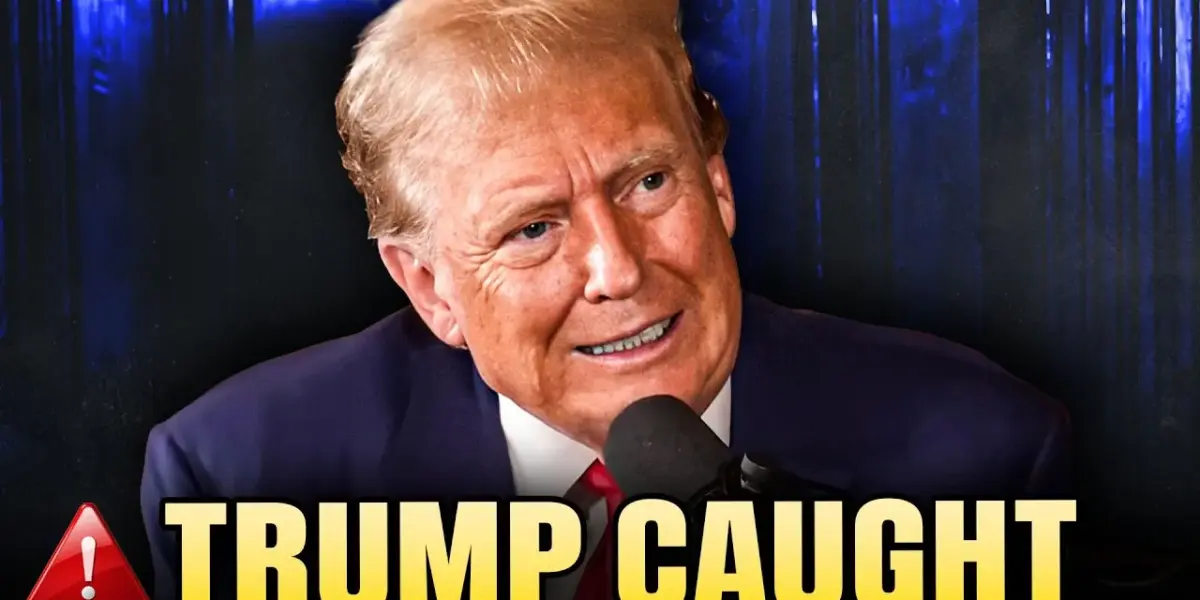
Trump’s $1B Bribe Fuels Fossil Fuels Over Green Energy
A recent move by former President Donald Trump to offer a French energy company $1 billion has sparked serious questions about energy policy and priorities. The deal, which reportedly aims to prevent a company from investing in renewable energy in the U.S., instead directs them to drill for natural gas. This decision appears to conflict with both environmental goals and the economic interests of the fossil fuel industry itself.
Wind Power Faces Opposition
During a previous term, Trump expressed strong opposition to wind farms. He stated that wind power was unreliable when the wind wasn’t blowing and made claims about windmills causing cancer in whales and harming birds. Because of this stance, he declared that no new wind farms would be built.
This policy seemed to catch French energy giant Total Energies by surprise. The company was planning to invest billions in building a wind farm in the United States. After facing this opposition, Total Energies took legal action and won the right to proceed with their wind farm project off the U.S. coast.
A Billion-Dollar Switch
Following the legal defeat, the Trump administration reportedly decided to use $1 billion of taxpayer money. This money was offered as a bribe to Total Energies. The goal was to convince the company not to build wind farms in the U.S. Instead, they were encouraged to drill for natural gas in Texas.
Total Energies accepted the offer. The company saw it as a profitable opportunity: they would receive a substantial payment and then be able to make more profits by drilling for natural gas. They agreed to take the $1 billion in U.S. tax dollars and shift their focus to Texas.
Texas and Fossil Fuels React
The decision to bring more natural gas drilling to Texas has not been met with universal approval, even within the state. Trump’s administration had previously opened up vast areas of land for fossil fuel extraction, including increased fracking for natural gas. However, fossil fuel companies at the time indicated that there was already too much natural gas on the market.
These companies warned that adding more supply would lead to a glut, forcing prices down significantly. This would make new drilling and fracking projects unprofitable. They essentially said they didn’t want more drilling because it would lower prices too much.
Conflicting Interests and Outcomes
Now, the government is using taxpayer money to pay Total Energies to enter the Texas market and increase natural gas production. This move is expected to further depress prices, potentially hurting the very domestic energy companies that often support Republican politicians to gain more drilling opportunities.
The situation appears contradictory. The policy seems to be counterproductive, potentially harming the fossil fuel industry it aims to support. While the increase in fossil fuels and fracking means more environmental damage and less renewable energy, it might also reduce profits for some established fossil fuel companies. The decision is described as largely negative, with only a tiny silver lining of potentially impacting industry profits.
Why This Matters
This event highlights a complex interplay between political decisions, energy policy, and economic consequences. Offering large sums of taxpayer money to influence energy investments raises concerns about how public funds are used. It also brings into question the long-term strategy for national energy security and environmental sustainability.
Implications and Future Outlook
The decision to incentivize natural gas over wind power could have lasting effects. It may slow the transition to renewable energy sources, which are crucial for combating climate change. It also shows how political motivations can lead to policies that create market distortions and harm industries.
The future outlook for energy policy in the U.S. remains uncertain. Debates continue over the best way to balance economic growth, energy independence, and environmental protection. This incident suggests that political influence can significantly sway these decisions, sometimes in unexpected and counterintuitive ways.
Historical Context
Opposition to wind power is not new, with concerns often raised about aesthetics, noise, and wildlife impact. However, the scale of investment in renewable energy has grown substantially over the years. Fossil fuels, while still dominant, face increasing pressure from environmental regulations and the falling costs of green technologies.
The use of government funds to direct private investment is a tool that has been used in various forms throughout history. However, using it to discourage one energy sector in favor of another, especially when it seems to contradict market signals, is a notable aspect of this case.
Source: Trump CAUGHT Giving $1 BILLION To Foreign Company (YouTube)

Related Articles


Trump Threatens Iran, Shaking Global Stability
Former President Trump's aggressive Easter Sunday warning to Iran has ignited global concerns, highlighting a volatile intersection of politics, religion, and foreign policy. The analysis explores the motivations behind such rhetoric, the deep divisions within American society, and the potential for severe economic and geopolitical repercussions worldwide.


Trump’s Rhetoric Fuels Iran Tensions, Raises War Crime Alarms
Former President Donald Trump's aggressive Easter weekend social media posts directed at Iran have sparked international concern. His threats of military action and ultimatums, coupled with conflicting narratives about military engagements, have raised alarms about potential war crimes and a dangerous escalation of conflict. Critics accuse both Trump and segments of the media of downplaying the severity of his rhetoric.
Trump’s Vulgar Iran Threat Sparks Global Outrage
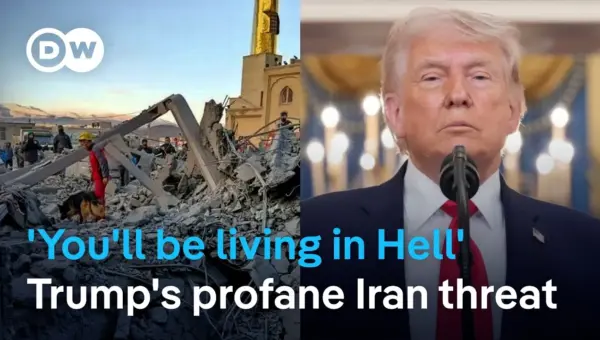
President Donald Trump issued a highly profane threat against Iran via social media, warning of attacks on civilian infrastructure if the Strait of Hormuz was not opened. Experts suggest the outburst stems from frustration and desperation, while legal scholars warn of potential war crimes. The situation continues to escalate, with significant economic and political implications for the region.