Trump’s NATO Threat Risks Global Chaos, Experts Warn
President Trump's escalating threats against Iran and his challenges to NATO allies are creating global instability, according to expert Robert Kagan. Kagan warns that Trump's actions have effectively destroyed the NATO alliance and are strengthening rivals like Russia and China. The potential for war crimes and economic chaos in Asia are also significant concerns.

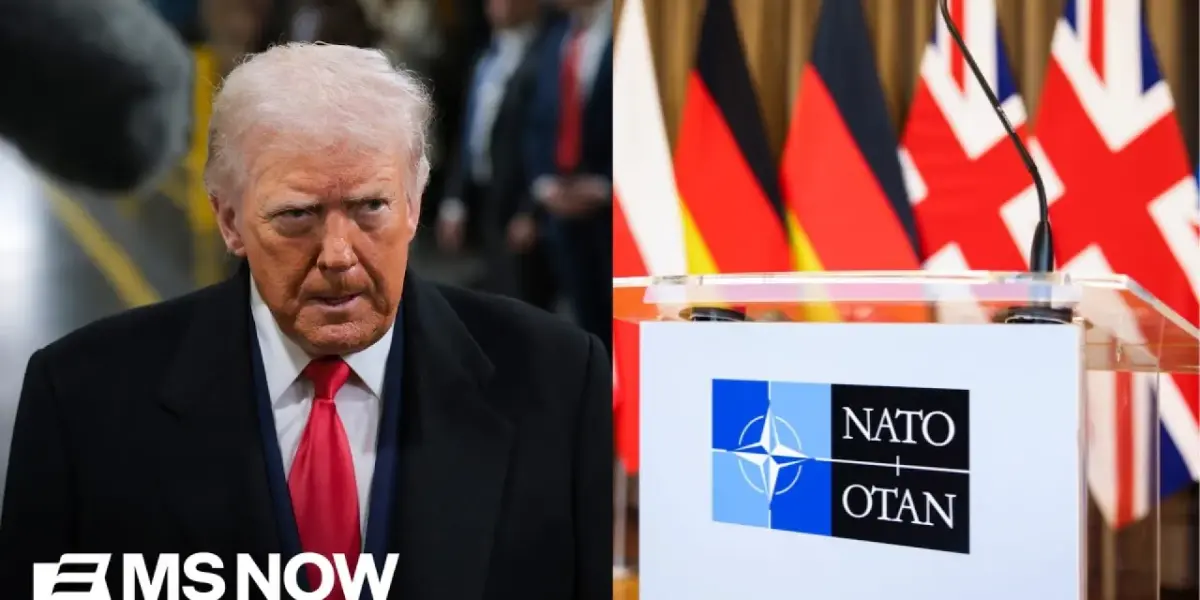
Trump Escalates Iran Tensions, Allies Question U.S. Reliability
President Trump has intensified threats against Iran, warning of severe consequences if a deal is not reached by a looming Monday deadline. His social media posts declared that “time is running out before all hell will rain down on them.” This aggressive stance comes as the U.S. faces potential conflict in the Strait of Hormuz, a vital oil shipping route. Republican Senator Lindsey Graham has supported the president’s threats, urging Iran to make wise choices to avoid military force.
Meanwhile, Trump’s approach to international relations is alienating key U.S. allies. He has reportedly told them to secure their own oil if they refuse to assist in protecting the Strait of Hormuz. More significantly, Trump has repeatedly threatened to withdraw the U.S. from the NATO alliance if member nations do not join the potential conflict. This has led to serious concerns about the stability of global alliances and the international order.
NATO Alliance “Effectively Destroyed,” Says Expert
Robert Kagan, a contributing writer for The Atlantic and senior fellow at the Brookings Institution, argues that Trump’s actions have severely damaged the NATO alliance. He stated that Trump’s consistent criticism and apparent lack of commitment to NATO have undermined its core strength. “NATO depends on American reliability to be there when there’s a crisis and to come to their defense,” Kagan explained. He believes that even without a formal withdrawal, Trump’s stance has effectively destroyed the alliance’s credibility.
Kagan highlighted that European officials are questioning the commitment of the United States to collective defense under Article 5 of the NATO treaty. An anonymous senior European official told The New York Times that many Europeans believe the U.S. can no longer be trusted. “The United States now seems part of the problem of world disorder,” the official remarked. This sentiment suggests a growing distrust in U.S. leadership and its commitment to its allies.
War Crimes Allegations Surface Over Infrastructure Threats
The conversation also addressed the nature of Trump’s threats towards Iran. Some questions have arisen regarding whether targeting civilian infrastructure constitutes war crimes. Kagan pointed to a statement by General Milley in 2022, where the Pentagon labeled Russia’s attacks on Ukrainian energy infrastructure as a war crime. “When Trump talks about sending a hell, he is talking about bringing immense humanitarian suffering to the people of Iran, and that is a war crime,” Kagan asserted.
This includes potential attacks on hospitals, food supplies, and water systems. Such actions, if carried out, would inflict widespread suffering on the civilian population. The Pentagon’s past definition of targeting civilian infrastructure as a war crime raises serious questions about the legality and morality of Trump’s alleged plans.
Global Instability and the Rise of Russia and China
Kagan elaborated on the broader geopolitical consequences of the current situation. He warned that America’s actions are exacerbating a “fractured multipolar reality.” This means the world is becoming more divided, with power spread among several major nations rather than concentrated with the U.S. The weakening of U.S. alliances strengthens rivals like Russia and China. “This is one of the biggest victories for Putin that he could possibly imagine,” Kagan noted, referring to Russia’s long-term goal of undermining NATO.
The potential conflict in the Middle East also diverts U.S. defense resources from East Asia. This creates vulnerabilities for allies like Japan and Taiwan, who rely on U.S. support to counter Chinese expansion. Japan, for instance, gets 95% of its oil from the Middle East, with 70% passing through the Strait of Hormuz. A prolonged closure or conflict could lead to significant economic instability and gas rationing in these Asian nations.
Allies Turn to China Amid U.S. Withdrawal
The crisis is also leading to an increased reliance on China by U.S. allies. Kagan mentioned that the German foreign minister even contacted China to seek help in dealing with the Strait of Hormuz situation. This highlights a significant shift in global diplomacy, where nations are turning to China as a potential mediator or partner due to perceived U.S. unreliability. “We’re going to see that increasingly,” Kagan predicted, emphasizing the growing influence of China in global affairs.
The situation underscores a growing concern that as the U.S. becomes entangled in Middle East conflicts, its ability to project power and maintain stability in other critical regions, like the Western Pacific, is diminished. This creates a dangerous power vacuum that expansionist powers like China can exploit, further destabilizing the global order and leaving the U.S. more isolated.
Looking Ahead: A World in Flux
The coming days will be crucial in determining Iran’s response to Trump’s ultimatum and the potential for military escalation. The continued questioning of U.S. reliability by its allies, particularly within NATO and in Asia, will shape future international cooperation. The growing influence of China and Russia in a more multipolar world remains a significant trend to monitor. The long-term impact of these events on global stability and the future of international alliances is yet to unfold.
Source: ‘NATO alliance effectively destroyed’: Trump threatens allies over Iran war (YouTube)

Related Articles
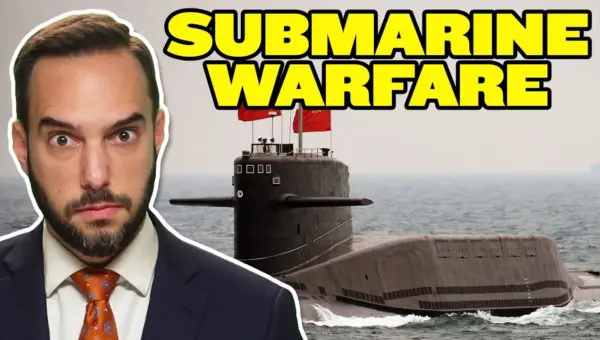
China Maps Seabed, Eyes Hawaii in Naval Power Play
China's extensive seabed mapping in the Pacific, particularly around strategic areas like Guam and Hawaii, is raising concerns about its preparation for submarine warfare. This effort, often disguised as scientific research, aims to enhance China's naval capabilities and challenge US dominance in the region.
Russia Faces Last-Ditch Offensive, Internal Cracks
Russia may be launching a final major offensive in Ukraine as it faces mounting internal pressures. Analysts suggest this push is a last resort before significant manpower and financial issues arise. Meanwhile, increasing domestic information control and official criticism highlight growing cracks within the Russian establishment.


Trump Threatens Iran, Shaking Global Stability
Former President Trump's aggressive Easter Sunday warning to Iran has ignited global concerns, highlighting a volatile intersection of politics, religion, and foreign policy. The analysis explores the motivations behind such rhetoric, the deep divisions within American society, and the potential for severe economic and geopolitical repercussions worldwide.