US Pilot Rescued After Iran Jet Downing in High-Stakes Mission
A U.S. pilot has been rescued in Iran after his jet was shot down, marking a high-stakes operation amid escalating regional tensions. While the U.S. hails the mission as a success, Iran broadcasts its own narrative, focusing on propaganda and domestic control. The conflict's true cost, however, appears to fall heavily on the Iranian people, caught between a repressive regime and ongoing hostilities.

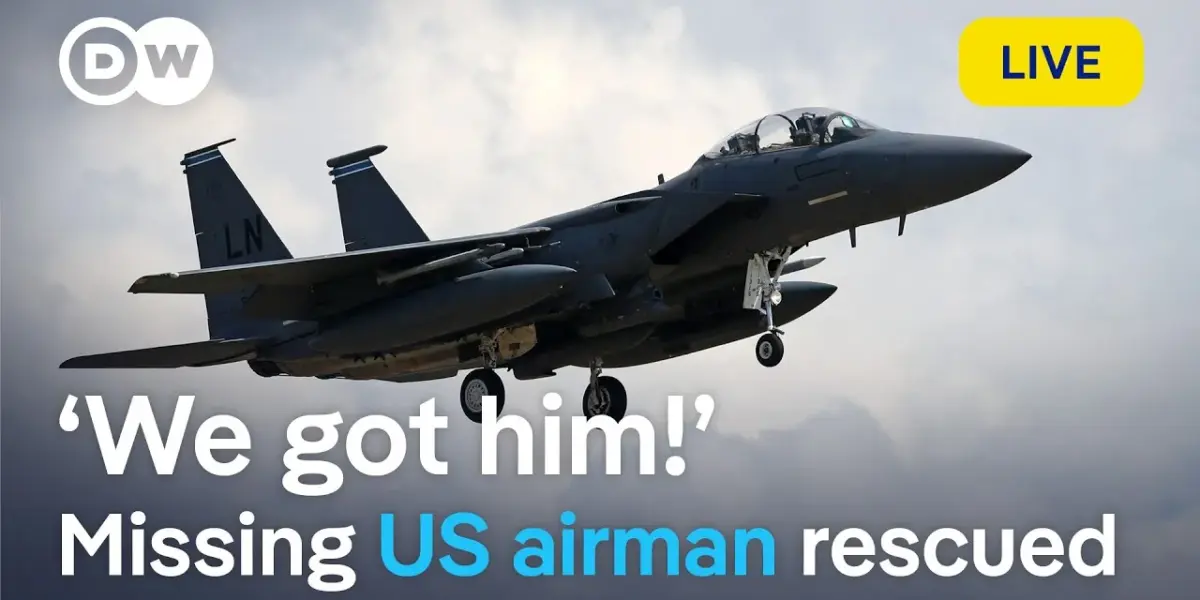
US Pilot Rescued in Daring Iran Operation
An American service member, missing after his fighter jet was shot down by Iran, has been successfully rescued within Iranian territory. President Donald Trump announced the successful recovery on his social media platform, calling it one of the most daring search and rescue operations in U.S. history. The intense mission involved numerous aircraft and a frantic hunt by both American and Iranian forces for the downed airman.
Iran’s Narrative and Propaganda War
Iran’s military claimed its forces downed U.S. aircraft involved in the rescue operation and released footage of what it described as the charred wreckage of an American jet. The New York Times reported that the initial planes sent for extraction faced difficulties, leading to a secondary, more complex operation at an abandoned airport. Iran’s state media has focused on the incident as a sign of its power, using it for domestic propaganda. Pro-regime rallies have called for more U.S. aircraft to be downed. However, analysts suggest Iran may have received external help, such as new technology or software, to achieve the downing.
Internal Impact and Public Sentiment in Iran
Inside Iran, the regime has downplayed its own potential setbacks, instead highlighting civilian casualties from the ongoing conflict to portray the war as an attack on the Iranian people. The government has also amplified a narrative of public mobilization, releasing propaganda videos showing tribal men with shotguns searching for the pilot, claiming national unity with the state.
Public sentiment within Iran is divided and anxious. Anti-regime segments fear escalation and the regime’s brutal response to dissent, while pro-regime supporters worry about confronting superior U.S. and Israeli military capabilities. The government’s control appears solid through increased brutality, executing individuals accused of protest involvement and intensifying regional actions to spread fear among adversaries.
The Strait of Hormuz and Escalating Tensions
The ongoing conflict has kept the Strait of Hormuz largely closed, with President Trump threatening severe consequences if it is not reopened within 48 hours. Iran has responded with counter-threats, asserting its dominance and framing Trump’s actions as an attempt to save face for U.S. forces. The situation is compounded by continued missile and drone strikes across the region, including an attack near Iran’s Bushehr nuclear power plant, which killed a guard. Russia, a partner in operating the facility, condemned the strike, and the International Atomic Energy Agency expressed concern.
A War of Narratives and Unclear Outcomes
The differing narratives from the U.S. and Iran have left many observers confused about the war’s direction. Iran’s state media, like ISNA, has been sharing reports from Western outlets, claiming victory in a “war of narratives” and asserting that the American public supports Iran’s stance. This is contrasted with the internal Iranian public’s perspective, where many see Trump as a potential liberator and are fearful of the regime’s actions, including frequent executions and internet blackouts.
Expert Sara Bazobandi, from the Institute for Security Politics at Kiel University, believes neither side is truly winning. She points out that both are facing unexpected challenges and strategies from their adversaries. The Iranian regime is becoming more vocal in propagating its narrative, controlling information flow through internet shutdowns and selective access to “white SIM cards.” This leaves dissenting voices unheard internationally, while those within Iran face the dual threat of external attacks and internal repression, including pro-regime rallies designed to quell any public dissent.
Broader Implications and Human Cost
The attacks near nuclear facilities and critical infrastructure in the Gulf highlight a perceived lack of limitations from U.S. and Israeli forces. However, the targeting of the Bushehr nuclear plant, which accounts for a small fraction of Iran’s energy production, is seen by some as largely symbolic. Iran uses such incidents to warn regional neighbors of potential contamination, further increasing regional anxiety.
Bazobandi assesses that the conflict is unlikely to end within the next two weeks as suggested by President Trump. She emphasizes that the Iranian people are the primary losers, facing a more brutal regime, economic instability, and isolation. A circulating message in Iranian social media highlights the stark contrast between astronauts contacting family after leaving Earth and Iranians experiencing month-long internet blackouts, unable to reach loved ones.
Looking Ahead
With the Strait of Hormuz remaining a flashpoint and Iran vowing further retaliation, the crisis continues to escalate. Diplomatic efforts are underway, with Egypt’s foreign minister holding talks with both U.S. and Iranian counterparts to de-escalate the situation. The coming days will be critical in determining whether these diplomatic channels can avert further conflict and address the complex geopolitical and human costs of this ongoing crisis.
Source: US jet pilot rescued in Iran: High-stakes mission & Iran war impact explained | DW News (YouTube)

Related Articles
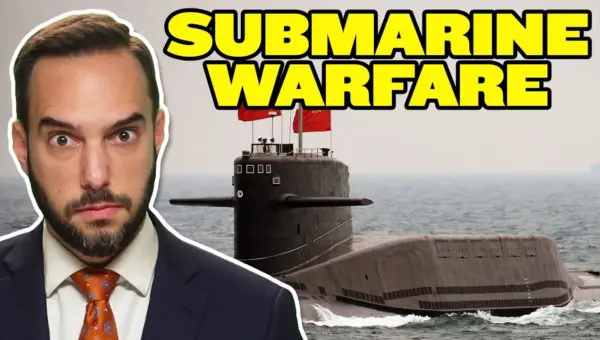
China Maps Seabed, Eyes Hawaii in Naval Power Play
China's extensive seabed mapping in the Pacific, particularly around strategic areas like Guam and Hawaii, is raising concerns about its preparation for submarine warfare. This effort, often disguised as scientific research, aims to enhance China's naval capabilities and challenge US dominance in the region.
Russia Faces Last-Ditch Offensive, Internal Cracks
Russia may be launching a final major offensive in Ukraine as it faces mounting internal pressures. Analysts suggest this push is a last resort before significant manpower and financial issues arise. Meanwhile, increasing domestic information control and official criticism highlight growing cracks within the Russian establishment.


Trump Threatens Iran, Shaking Global Stability
Former President Trump's aggressive Easter Sunday warning to Iran has ignited global concerns, highlighting a volatile intersection of politics, religion, and foreign policy. The analysis explores the motivations behind such rhetoric, the deep divisions within American society, and the potential for severe economic and geopolitical repercussions worldwide.