Iran Strikes Gulf Energy Assets, Threatens Global Supply
Iran has escalated its conflict by directly targeting energy infrastructure in the Gulf, including oil and prochemical facilities. These attacks have caused significant damage across multiple countries and are expected to lead to sustained supply disruptions and higher energy prices through 2026. Market reactions are anticipated to be severe when trading resumes.

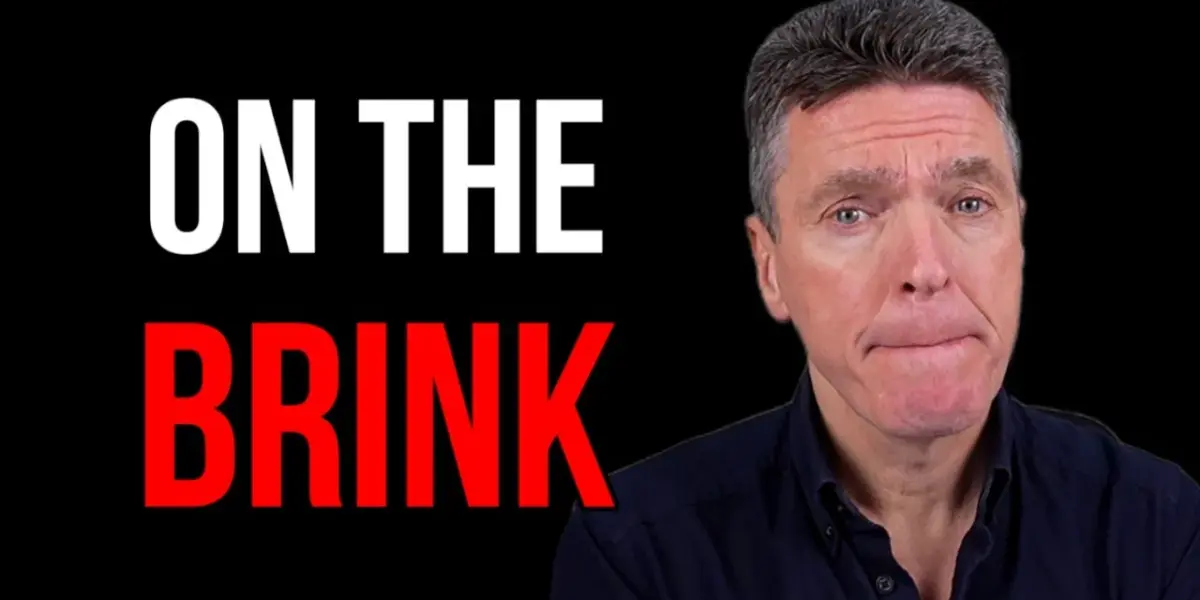
Iran Escalates Conflict with Gulf Energy Infrastructure Attacks
The global economy faces mounting pressure as Iran has launched direct strikes on energy infrastructure in the Gulf region. These actions, including attacks on a prochemical facility in Abu Dhabi and the headquarters of the Q8 State Oil Company, mark a significant escalation. Experts warn these disruptions could have long-lasting implications, potentially impacting global energy supplies through at least 2026.
Targeting Key Energy Hubs
In response to perceived threats against its own infrastructure, Iran has demonstrated its capability and willingness to strike high-value energy assets outside its borders. The attack on the Abu Dhabi prochemical facility has forced operations to halt, disrupting industrial supply chains. Targeting the headquarters of Q8, a major oil exporter, is seen as both an operational and symbolic move, signaling that no location in the region is immune to retaliation.
Iran has also warned of further, more destructive strikes, suggesting this is not an isolated incident but the beginning of a sustained campaign. This escalation is directly linked to the United States’ stance on the Strait of Hormuz. Former President Donald Trump has issued a new deadline, demanding the strait’s reopening and threatening severe consequences if Iran does not comply.
Widespread Damage Across the Value Chain
The conflict has already resulted in significant damage to energy and industrial assets across the Gulf. So far, reports indicate that seven major oil refineries, six gas facilities, two oil fields, one nuclear-related facility, three aluminum plants, and eight ports and export terminals have been impacted. In total, over 40 major assets in nine different countries have been affected, demonstrating a regional energy system under severe strain.
The damage spans the entire energy value chain, from upstream oil fields to downstream refineries and export terminals. Crucially, disruptions to liquefied natural gas (LNG) infrastructure, particularly affecting Qatar, a major global exporter, could have immediate consequences for Europe and Asia, impacting global pricing.
Long-Term Supply Chain Impacts
Repairing damaged energy infrastructure is a complex and time-consuming process. It requires full shutdowns, safety checks, specialized repairs, and extensive testing before facilities can restart. Even if the conflict were to end immediately, the economic fallout, including reduced output, supply shortages, and export delays, is expected to persist for weeks or months, potentially longer.
Political Tensions and Critical Deadlines
The situation is further complicated by political rhetoric and deadlines. Trump’s demand for the Strait of Hormuz to be reopened within 48 hours, set to expire soon, carries the threat of further U.S. military action against Iran’s infrastructure. Iran, in turn, has warned of direct retaliation against U.S. and allied targets if attacked. This dynamic creates a critical window of 24 to 48 hours where rapid escalation is possible.
Costly Military Operations
Recent military operations have also highlighted significant costs and potential vulnerabilities. The rescue of a U.S. airman whose F-15 was shot down involved the loss of two F-15 fighter jets, valued at approximately $90 million each, totaling $180 million. Additionally, two aircraft used for extraction had to be destroyed to prevent them from falling into enemy hands, costing an estimated $150 million. The loss of one or two helicopters, each costing around $40 million, brings the total estimated cost for this single rescue mission to between $300 million and $400 million.
These losses suggest that U.S. forces do not have complete control of the airspace in the region, as such losses would likely be avoided if air superiority were absolute.
Market Repercussions Expected
With markets partially closed for the Easter break, the full impact of these developments has yet to be felt. However, analysts anticipate significant market reactions upon reopening. Oil prices are expected to surge past $110 per barrel, especially if threats of attacking Iranian infrastructure are carried out. Gas prices and other raw material costs are also likely to rise. These increases will eventually filter through to consumers, impacting inflation, food prices, transportation costs, and overall economic growth.
What Investors Should Know
The ongoing conflict in Iran represents a serious threat to global energy security and economic stability. The direct targeting of energy infrastructure has already caused widespread damage, and the potential for further escalation remains high. Investors should be prepared for continued volatility in energy markets, with oil and gas prices likely to remain elevated. The ripple effects on inflation and economic growth could be substantial throughout 2026. The complexity and time required for repairs mean that supply disruptions will persist, even if hostilities cease.
Source: On The Brink (YouTube)

Related Articles
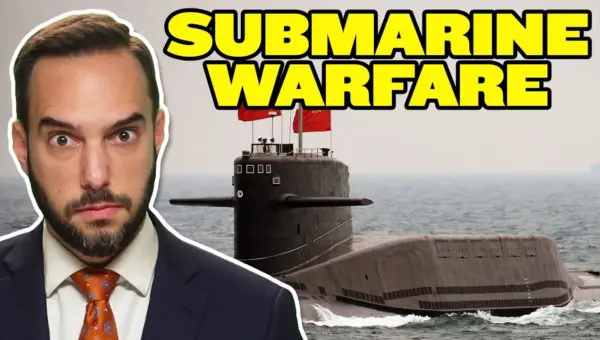
China Maps Seabed, Eyes Hawaii in Naval Power Play
China's extensive seabed mapping in the Pacific, particularly around strategic areas like Guam and Hawaii, is raising concerns about its preparation for submarine warfare. This effort, often disguised as scientific research, aims to enhance China's naval capabilities and challenge US dominance in the region.
Russia Faces Last-Ditch Offensive, Internal Cracks
Russia may be launching a final major offensive in Ukraine as it faces mounting internal pressures. Analysts suggest this push is a last resort before significant manpower and financial issues arise. Meanwhile, increasing domestic information control and official criticism highlight growing cracks within the Russian establishment.


Trump Threatens Iran, Shaking Global Stability
Former President Trump's aggressive Easter Sunday warning to Iran has ignited global concerns, highlighting a volatile intersection of politics, religion, and foreign policy. The analysis explores the motivations behind such rhetoric, the deep divisions within American society, and the potential for severe economic and geopolitical repercussions worldwide.