Lebanon Crisis: A Silent Emergency Fueled by Conflict
David Miliband, head of the International Rescue Committee, described Lebanon as facing a "silent emergency" with over a million people displaced due to regional conflict. The ongoing hostilities have devastated communities, particularly in southern Lebanon and Beirut's southern suburbs, while Russia and Iran are seen as geopolitical beneficiaries of the instability.

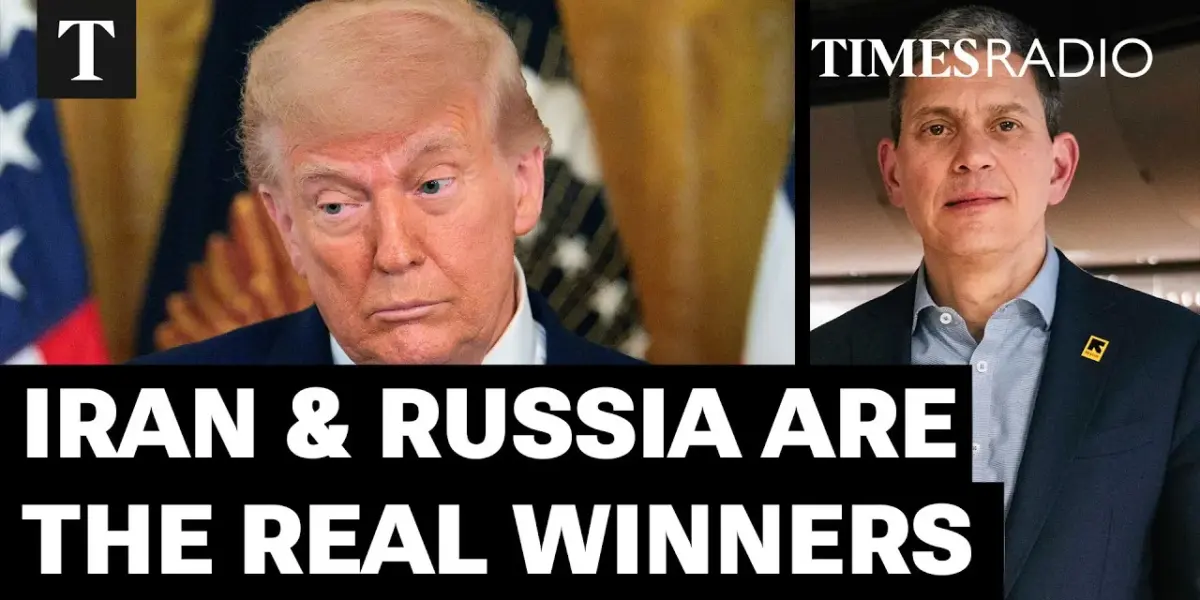
Lebanon Faces ‘Silent Emergency’ Amidst Regional Conflict
David Miliband, former British Foreign Secretary and current President of the International Rescue Committee (IRC), has returned from Lebanon with a stark warning: the country is experiencing a “silent emergency.” This humanitarian crisis, largely overshadowed by broader regional conflicts, has displaced over a million people, representing one-fifth of Lebanon’s population. Miliband described the situation as a “genuine emergency” where people have lost everything, often fleeing multiple times due to ongoing hostilities.
Displacement and Devastation in Lebanon
Miliband detailed the immense human cost of the conflict. He met a baker and his family who were bombed out of their business in November 2024, forced to relocate to the coast, and then displaced again. They lost their livelihood and possessions, now relying on a government shelter. Shockingly, 85% of those displaced are not in shelters but are staying with relatives and friends, creating significant tension and strain on resources. Lebanon, already hosting over a million Syrian refugees before the latest conflict, is now overwhelmed by its own displaced citizens.
Two Fronts of Suffering
The impact on Lebanon is concentrated in two main areas. The entire southern region, extending north of the Litani River, has seen between 600,000 and 700,000 people driven from their homes. Many fear this displacement will be permanent. Additionally, the southern suburbs of Beirut, historically home to Shia Muslim communities with political ties to Hezbollah, have also been heavily hit. Densely populated urban areas have seen buildings struck, forcing residents to flee north within the city or east into the Bekaa Valley. Tragically, the IRC confirmed the loss of a former staff member’s sister-in-law and her family in the Bekaa Valley, highlighting the widespread danger.
Navigating Danger and Uncertainty
Displaced individuals often flee to areas perceived as safer, sometimes guided by warnings issued by Israeli authorities via social media about “evacuation needs.” However, some, particularly the elderly and disabled, refuse to leave their homes. For those who do flee, the long-term prospect is uncertain. Miliband drew parallels to the Ukraine crisis, noting that while temporary stays with relatives are manageable, a lack of long-term solutions breeds immense friction. The ongoing conflict has arrived at a particularly difficult time for Lebanon and Syria, both of which had shown signs of recovery before the latest hostilities erupted.
A Tragic Mistake and Strategic Blunders
The discussion also addressed a specific tragedy: the bombing of an Iranian school at the start of the year, which reportedly killed over 150 people, including children. Miliband called it an “absolutely terrible” mistake, noting that evidence of its origin was clear by day three. He emphasized that even accidental tragedies require thorough investigation, citing historical U.S. military procedures for such errors. The broader conflict, Miliband suggested, is a “war of choice” with increasingly unappealing options. He criticized President Trump’s recent speech, which focused on the past without offering a clear path forward, reflecting the stark and difficult choices ahead.
Geopolitical Shifts and Unintended Beneficiaries
Looking beyond the immediate crisis, Miliband analyzed the geopolitical implications. He believes the conflict will likely end with the Iranian regime still in place, noting its functioning and even its social media interactions with President Trump. However, Russia stands to benefit significantly from the prolonged instability. While Iran suffered damage, it has also demonstrably proven its deterrent capabilities, a claim it has long made. The conflict has served as a stark wake-up call for the Gulf nations regarding their vulnerability, particularly concerning desalination plants. This has inevitably impacted relations with the United States.
Syria and Lebanon Caught in the Crossfire
Syria and Lebanon, Miliband noted, are particularly vulnerable. Their governments have attempted to remain neutral, fearing being drawn into the escalating vortex of conflict and instability. The war’s impact on these nations, coupled with the displacement crisis in Lebanon, underscores the interconnectedness of regional security and humanitarian concerns. The International Rescue Committee continues its work, with approximately 120 staff members on the ground in Lebanon striving to address the dire needs of the displaced population.
Britain’s Stance and Future Relations
Miliband also commented on Britain’s role, praising Prime Minister Sunak’s focus on British national interests, particularly security threats from Russia and the need to support allies in the Gulf and Cyprus. He compared the current situation to historical instances where British leaders defied U.S. policy, asserting that the UK-US relationship is institutional, not merely personal. Addressing the question of future UK-EU relations, Miliband expressed a strong belief that closer cooperation with Europe and the EU is in Britain’s best interest, citing mutual interests in economics, environment, climate, and security. He acknowledged that while Brexit changed political relations, it did not alter geography, and expressed hope for Britain’s eventual return to the European Union.
Source: The Only Winners In Trump’s War Are Iran & Russia | David Miliband (YouTube)

Related Articles


Trump Threatens Iran: “Open Strait or Live in Hell”
President Trump issued a severe warning to Iran, threatening "hell" if the Strait of Hormuz is not reopened, while U.S. forces successfully rescued a downed airman. Experts suggest potential escalation and regional realignments are unfolding.
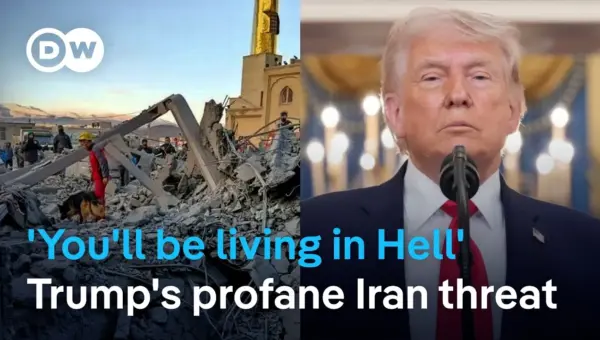
Trump’s Vulgar Iran Threat Sparks Global Outrage
President Donald Trump issued a highly profane threat against Iran via social media, warning of attacks on civilian infrastructure if the Strait of Hormuz was not opened. Experts suggest the outburst stems from frustration and desperation, while legal scholars warn of potential war crimes. The situation continues to escalate, with significant economic and political implications for the region.
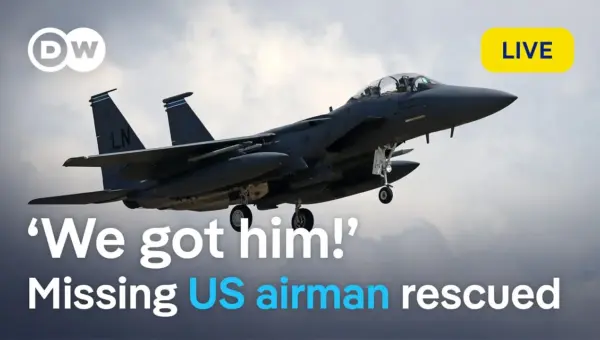
US Pilot Rescued After Iran Jet Downing in High-Stakes Mission
A U.S. pilot has been rescued in Iran after his jet was shot down, marking a high-stakes operation amid escalating regional tensions. While the U.S. hails the mission as a success, Iran broadcasts its own narrative, focusing on propaganda and domestic control. The conflict's true cost, however, appears to fall heavily on the Iranian people, caught between a repressive regime and ongoing hostilities.